
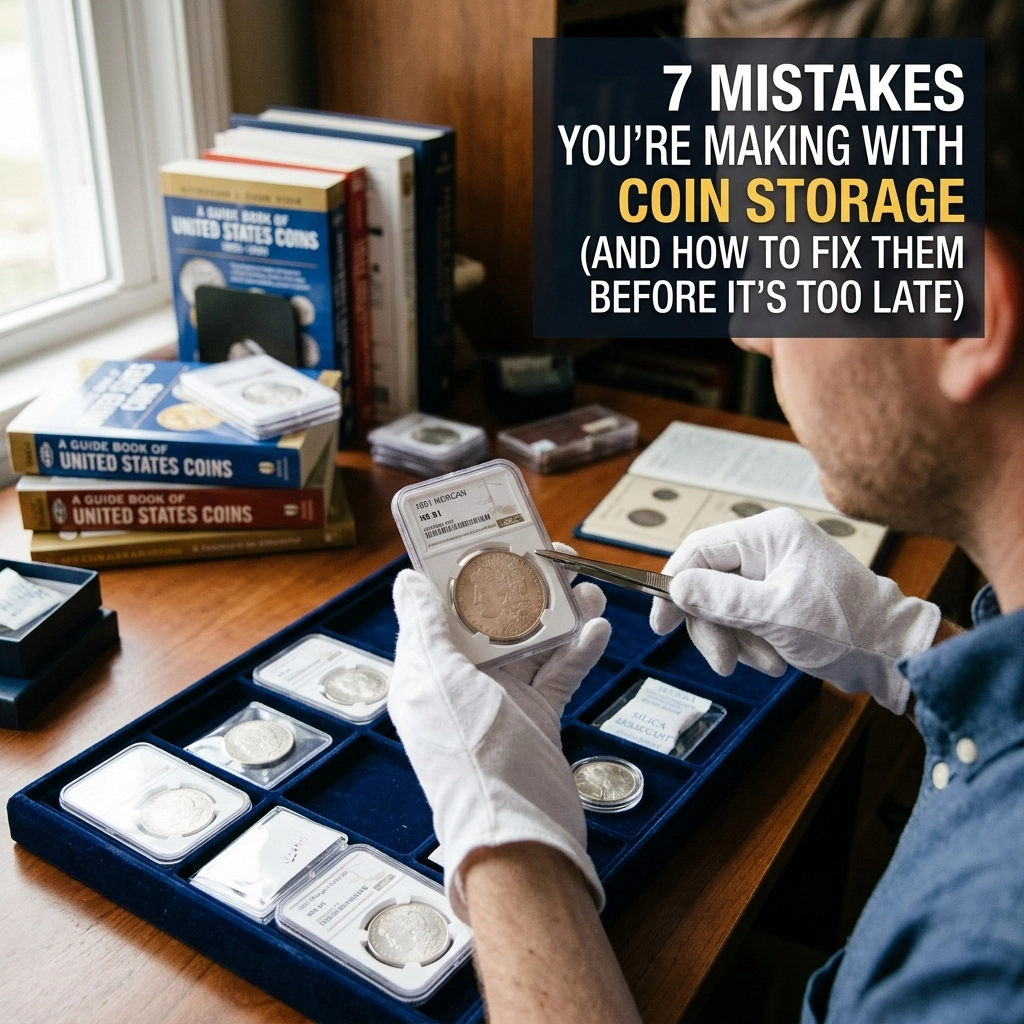
7 Mistakes You’re Making with Coin Storage (And How to Fix Them Before It’s Too Late)
Hey there, fellow collectors! Welcome back to The Daily Mint, your go-to corner of the internet for all things numismatic. I’m Penny, your friendly neighborhood writer here at The Coin Show. If you’ve been listening to Matt Dinger and the guys on the latest coin collecting podcast episodes, you know we’re all about preserving the history and the value of these little metal pieces of art.
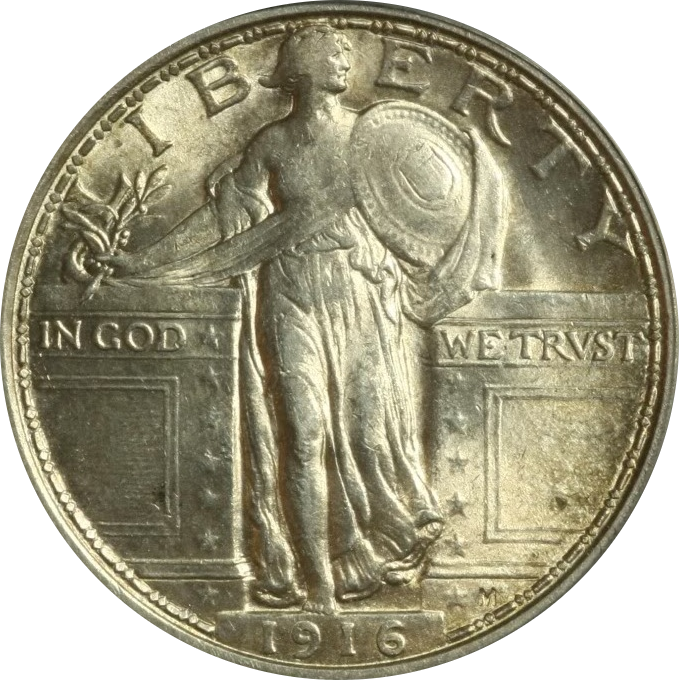
We’ve all been there: you finally track down that bucket-list coin: maybe it’s a stunning Standing Liberty Quarter 1916 or a crisp Morgan Dollar: and you want to keep it safe. But here’s the kicker: sometimes the things we do to "protect" our coins are actually the very things destroying them.
Storing a collection isn't just about putting it in a box and forgetting it. It’s a science. If you want your coins to look just as good twenty years from now as they do today, you need to avoid these seven common storage blunders. Let's dive in.
1. The Bare-Handed Blunder
It is incredibly tempting to pick up a coin and feel the weight of history in your palm. But unless you’re dealing with common pocket change, keep your paws off! Your skin is covered in natural oils, salts, and acids. When you touch the surface of a coin, you’re leaving behind a chemical signature that will eventually oxidize.
Have you ever seen a beautiful silver coin with a dark, ugly thumbprint right in the middle of the fields? That’s a permanent reminder of someone’s mistake. Those oils eat into the metal, and once a fingerprint is etched in, no amount of careful cleaning (which you shouldn't be doing anyway!) will fix it without ruining the coin’s luster.
How to Fix It:
Always handle your coins by the edges. Better yet, wear lint-free white cotton gloves or powder-free nitrile gloves. If you're looking for coin collecting tips that will save you thousands in the long run, this is number one. According to ANA grading standards, surface preservation is key to a high grade. A single fingerprint can drop a coin from a Mint State 65 down significantly in the eyes of a buyer.
2. The PVC Nightmare
This is the silent killer of coin collections. Back in the day, many plastic "flips" and album pages were made with polyvinyl chloride (PVC) to make the plastic soft and pliable. Over time, the plasticizers in PVC break down and release an acidic gas. This reacts with the copper and silver in your coins, creating a sticky, green goo.
If you open an old album and your coins look like they’ve been dipped in lime Jello, you’ve got PVC damage. Left untreated, it will eventually pit the surface of the metal.
How to Fix It:
Check your storage materials immediately. If a plastic flip smells like a new shower curtain or feels oily/sticky, throw it away. Only use "archival-safe" materials like Mylar or polypropylene. On The Coin Show podcast, we always recommend spending the extra few cents on high-quality, PVC-free flips. It’s the cheapest insurance policy you can buy.
3. The Attic and Basement Trap
Environment is everything. I’ve seen many collections ruined because they were stored in a "safe" spot like a basement or an attic.
Attics are heat traps. High temperatures accelerate chemical reactions, meaning any impurities on the coin or in the holder will damage the coin much faster. On the flip side, basements are notorious for humidity. Moisture is the enemy of metal. It leads to spotting, "milk spots" on silver, and nasty corrosion on copper.
How to Fix It:
Store your collection in a climate-controlled area. A cool, dry closet in the main part of your house is usually the best spot. You want to keep the humidity levels between 40% and 50%. If you live in a humid area, toss a few silica gel packets into your storage containers to soak up any excess moisture.
4. The "Jar of Change" Mentality
Even if your coins are "just" circulated pieces, you shouldn't let them rattle around together. When coins rub against each other, they cause "bag marks," scratches, and hairlines. This is especially true for softer metals like gold and silver.
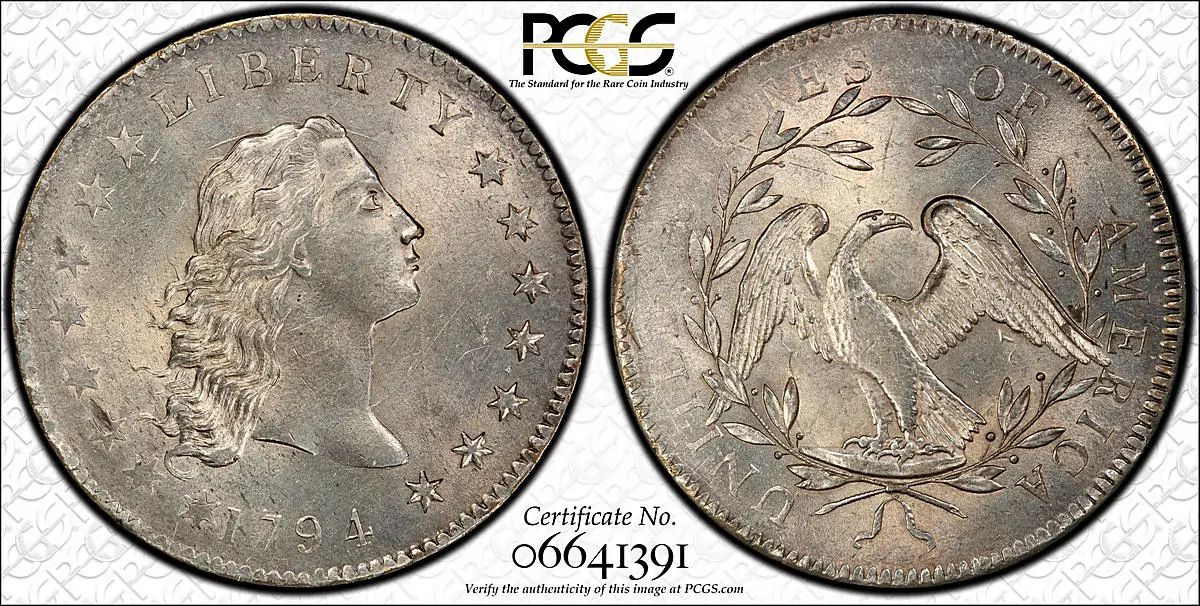
Imagine having a coin as rare as the 1794 Flowing Hair Silver Dollar and letting it bang around against some modern quarters. It sounds crazy, but even with mid-tier coins, the damage adds up.
How to Fix It:
Every coin worth more than face value deserves its own individual home. Whether it’s a 2×2 cardboard flip, a plastic capsule, or a professional grading slab, physical separation is vital. This prevents "friction wear" and keeps those delicate surfaces pristine.
5. Ignoring Security and Insurance
We often focus so much on the chemistry of coin storage for collectors that we forget about the physical security. Keeping your $10,000 collection in a shoebox under the bed is a recipe for disaster. Not just because of theft, but because of fire and floods.
How to Fix It:
Invest in a high-quality, fire-rated safe that is bolted to the floor. If your collection is exceptionally valuable, a safe deposit box at a bank is a great option: but remember, banks do not insure the contents of those boxes. You need specific collector’s insurance. Most standard homeowners' policies have very low limits for "money and bullion." Check your policy today before you find out the hard way that you’re not covered.
6. Neglecting Counterfeit Detection and Documentation
Part of good storage is knowing exactly what you are storing. Many collectors tuck coins away without properly verifying them. If you accidentally store a counterfeit coin with your real ones, you’re not only holding onto a worthless item, but you might also be missing out on the chance to return it to the person who sold it to you.
How to Fix It:
As part of your storage routine, perform counterfeit coin detection checks. Buy a high-quality scale and a loupe. Document every coin you put into storage: where you bought it, what you paid, and its estimated grade. This is essential for your heirs. We’ve heard too many stories on our numismatic podcast about families selling off collections for pennies on the dollar because they had no idea what they were looking at.
7. The "Set It and Forget It" Fallacy
Storage isn't a one-time event; it’s an ongoing process. Materials degrade. Tapes on old holders can dry out and fail. Humidity can spike during a rough summer. If you don't check on your collection at least once or twice a year, you might miss the early signs of a problem.
How to Fix It:
Make it a habit to "visit" your coins. Every six months, pull out your storage boxes. Check for signs of toning (which can be beautiful, but should be monitored), look for any "green slime" (PVC), and refresh your silica gel packets.
If you’re wondering what is a coin show good for besides buying coins? It’s the perfect place to talk to dealers and experts about the latest storage tech. You can find new types of albums, upgraded storage bins, and talk to folks who have seen it all.
Final Thoughts from The Daily Mint
Proper how to store coin collection techniques are the difference between a legacy and a loss. Your coins have survived decades, sometimes centuries, before they reached your hands. You’re just the current caretaker. Treat them with the respect they deserve, and they’ll reward you with beauty and value for years to come.
If you found these coin collecting tips helpful, make sure to subscribe to our newsletter and tune in to The Coin Show podcast. Matt, Ernesto, and Mike are always breaking down the latest news in the hobby: from the newest U.S. Mint releases to deep dives into historical rarities.
Until next time, keep your eyes on the strikes and your hands off the surfaces!
: Penny, The Coin Show Writer