

The Best Coin Collecting Tips You’ll Ever Get (From a Numismatic Podcast Crew)
Welcome to "The Daily Mint." If you’ve ever tuned into The Coin Show, you know we don’t just talk about the value of metal; we talk about the soul of the hobby. Being part of a numismatic podcast crew means we get to hear it all, the horror stories of ruined collections, the thrill of the "cherrypick," and the deep historical mysteries that keep us up at night.
Whether you’re just starting to peek into your pocket change or you’ve been haunting local auctions for decades, there’s always something new to learn. Today, we’re breaking down the essentials: how to protect what you have, how to spot a fake, and why a certain quarter from 1916 is basically the holy grail of early 20th-century silver.
The Silent Killer: PVC Damage
Let’s start with the most important rule in the book. If you take away nothing else from this post, remember this: coin pvc damage is real, and it is permanent.
Back in the day, a lot of plastic holders (flips) were made with polyvinyl chloride (PVC) to make them soft and pliable. The problem? Over time, that PVC breaks down and releases acidic gases. This creates a sticky, green goo that eats into the surface of your coins. Once that luster is gone, it’s gone forever.
When you’re looking at how to store coin collection items, stick to PVC-free materials. Look for "non-plasticized" or Mylar holders. If you open an old collection and see a green tint or feel a tacky residue on the coins, get them out of those flips immediately. You can sometimes save them with a dip in pure acetone (not nail polish remover!), but prevention is always better than the cure. Coin storage for collectors isn’t just about organization; it’s about preservation.
Knowledge Over Metal: Buy the Book First
It’s a classic saying in the numismatic world: "Buy the book before the coin." In the age of the internet, that means more than just physical books. It means listening to a coin collecting podcast, reading forum posts, and studying ANA grading standards.
The American Numismatic Association (ANA) set the bar for how we describe a coin’s condition. Understanding the difference between a "Choice Uncirculated" (MS65) and a "Gem Uncirculated" (MS66) can mean a difference of thousands of dollars. If you don't know the standards, you're at the mercy of the person selling to you. Take the time to learn the technicalities of wear, strike, and surface marks. It turns you from a buyer into a collector.
Counterfeit Coin Detection: Don't Get Burned
The world of fakes has gotten scarily good. We’re not just talking about "copy" stamps on cheap slugs anymore. Highly sophisticated counterfeits are entering the market every day.
For counterfeit coin detection, you need a few basic tools:
- A good scale: Most coins have a very specific weight. If a silver dollar is supposed to weigh 26.73 grams and yours weighs 24.5, you have a problem.
- A magnet: Real gold and silver are not magnetic. If your "rare" coin sticks to a magnet, it’s a steel-core fake.
- A loupe: You need to see the details. Look for "mushy" lettering or tiny bubbles on the surface, which are signs of a cast counterfeit rather than a struck coin.
When in doubt, third-party grading (like PCGS or NGC) is your best friend. They’ve seen it all, and their plastic slabs offer a level of security that "raw" coins just can't match.
The Legend of the Standing Liberty Quarter 1916
Every collector has a dream coin. For many of us who love early 20th-century American design, it’s the standing liberty quarter 1916.
Designed by Hermon Atkins MacNeil, this coin is a masterpiece of the "Beaux-Arts" style. But here’s the kicker: they only minted 52,000 of them in 1916. Compare that to the millions struck in subsequent years, and you see why they are so incredibly sought after.
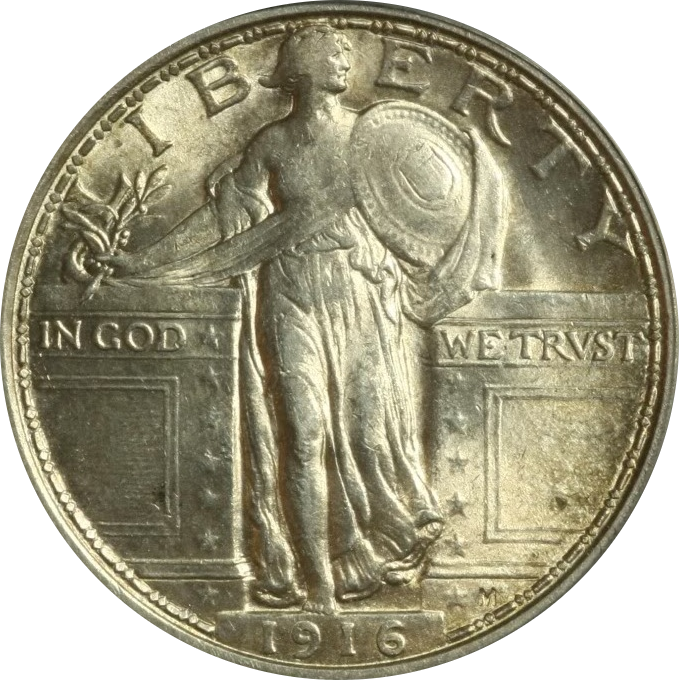
The 1916 is famous not just for its rarity, but for its controversy. The original design featured Liberty with an exposed right breast. By mid-1917, the design was changed to cover her with a coat of mail. While many think the change was due to public outcry over "indecency," it’s more likely it was a symbolic move as the U.S. prepared for World War I, Liberty was literally "armoring up." If you ever find one of these in a junk bin, you’ve hit the jackpot.
What is a Coin Show, Anyway?
If you’ve only ever bought coins on eBay or at a local pawn shop, you are missing out on the heart of the hobby. What is a coin show? It’s part marketplace, part museum, and part social club.
Walking into a large coin show for the first time is a sensory overload. You’ll see rows and rows of tables covered in "Grey Sheets" (pricing guides), magnifying glasses, and more silver and gold than you thought existed in one room. It’s the best place to find coin collecting tips because you can talk directly to the dealers.
Most dealers are happy to share their knowledge. They’ll show you the difference between a cleaned coin and a natural one. They’ll let you handle pieces of history that belong in a vault. Just remember: be polite, ask questions, and don't touch the surface of the coins with your bare hands!
Chasing the Big Fish
While most of us are happy finding a nice Indian Head Penny or a Silver Eagle, there is a whole other level of numismatics that feels like the "fine art" world. We’re talking about coins that sell for the price of a private jet.
Take the 1794 Flowing Hair Silver Dollar, for example. It’s widely believed to be the very first silver dollar ever struck by the United States Mint.
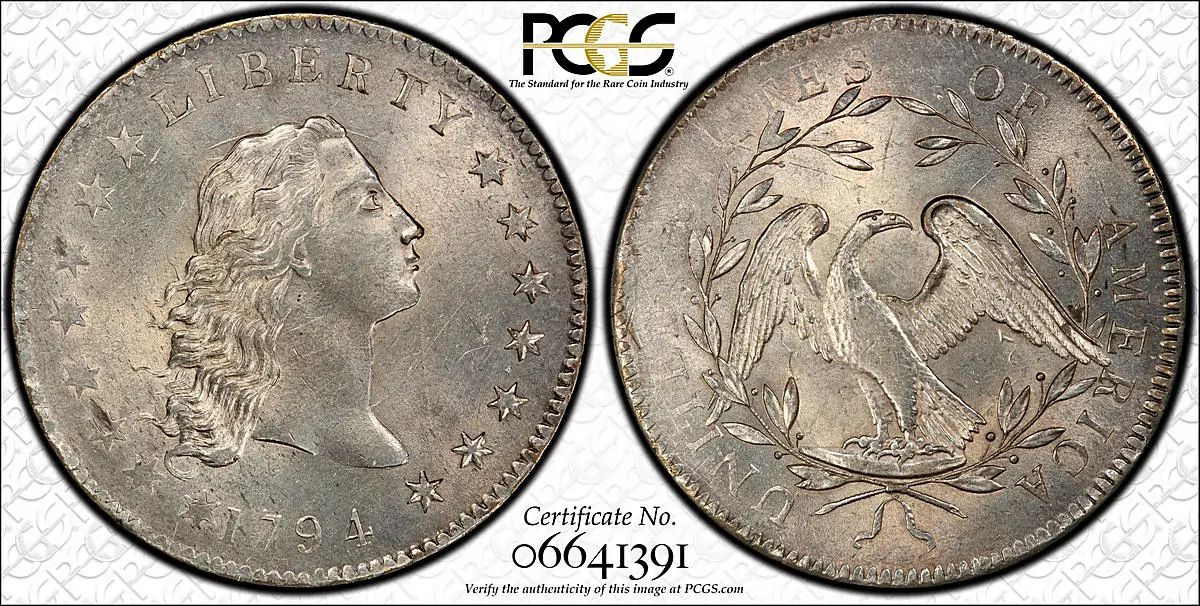
This specific coin sold for $4.5 million. When you hold something like that (or, more likely, see it behind bulletproof glass at a show), you realize you’re holding a piece of the foundation of the American economy.
Similarly, gold lovers often point to the 1796-5 Half Eagle. This isn't just a piece of gold bullion; it's a survivor from the earliest days of the U.S. Mint's gold production.
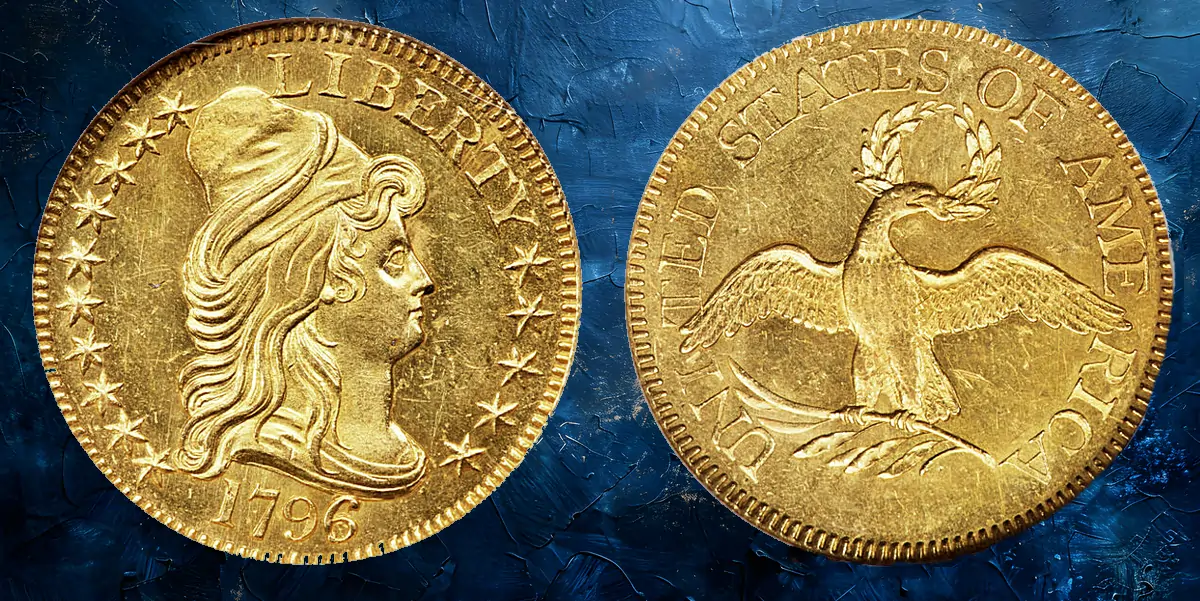
These coins remind us that while the "tips and tricks" are important for protecting our modest collections, the hobby has a ceiling that reaches into the stratosphere.
Final Thoughts from the Crew
Coin collecting isn't just about the money. If you’re in it just to "get rich," you’re going to have a bad time. The market fluctuates, and trends change. The people who enjoy this hobby the most are the ones who love the stories.
They love the fact that a Buffalo Nickel in their pocket might have been spent during the Great Depression. They love the artistry of a 1916 Quarter. They love the community they find at a local show or while listening to their favorite podcast.
So, keep your coins out of PVC, keep your eyes open for fakes, and never stop learning. The history is in your hands, literally.
If you want more deep dives into specific series or more advice on the current market, keep checking back here at "The Daily Mint." We’ve got plenty more to share from the tables of The Coin Show. Happy hunting!