The Ultimate Guide to Numismatic Podcasts: Everything You Need to Level Up Your Collecting Game
Collecting coins is a journey. It starts with a single find in your pocket change and quickly turns into a lifelong obsession with history, art, and value. But how do you stay ahead of the game? In 2026, the answer is in your ears.
Welcome to the world of the numismatic podcast. Whether you’re commuting, cleaning your office, or just relaxing, podcasts are the ultimate way to soak up expert knowledge without cracking a book.
This guide will walk you through the best shows to follow, essential coin collecting tips, and how to keep your treasures safe for the next generation.
Why Listen to a Coin Collecting Podcast?
You might wonder why you’d listen to people talk about coins instead of just looking at them. The truth is, the hobby moves fast. New mint releases, shifting market values, and emerging counterfeit threats are easier to track when you have experts breaking them down for you weekly.
A good coin collecting podcast offers:
- Expert Interviews: Hear from the people who literally wrote the book on grading.
- Market Trends: Find out what’s hot and what’s cooling off before you spend your hard-earned cash.
- Community: Realizing you aren’t the only person excited about a 1916 quarter is a great feeling.
Top Podcasts to Follow in 2026
If you’re looking to fill your queue, here are the heavy hitters:
- The Coin Show Podcast: Our personal favorite (for obvious reasons!). We keep it casual, friendly, and focused on the hobbyist experience. We talk about everything from the latest Mint releases to the deep history of classic US silver.
- Coin World Podcast: Great for staying on top of industry news and high-level market changes.
- Two Bits (The ANA Podcast): Perfect for those who want deep dives into the educational and historical side of numismatics.
- The Coin Club Podcast: A community-focused show that feels like hanging out at a local club meeting.
Essential Coin Collecting Tips: Protecting Your Assets
You’ve found a great coin. Now what? The biggest mistake new collectors make is improper storage. If you want your collection to hold its value, you need to understand coin storage for collectors.
The Enemy: Coin PVC Damage
If you take one thing away from this article, let it be this: No PVC!
Many older or cheaper plastic flips contain Polyvinyl Chloride (PVC). Over time, the chemicals in these flips break down and leak onto the coin. It starts as an oily film and eventually turns into a green, sticky goo. This is coin pvc damage, and it can eat away at the surface of your silver and copper, permanently destroying the coin’s luster.
How to store coin collection safely:
- Use Mylar Flips: Look for "archival safe" or "PVC-free" labels. Mylar is stable and won't react with the metal.
- Hard Plastic Capsules: For your most valuable pieces, use airtight capsules.
- Avoid Humidity: Store your coins in a cool, dry place. A simple silica gel packet in your storage box can go a long way.
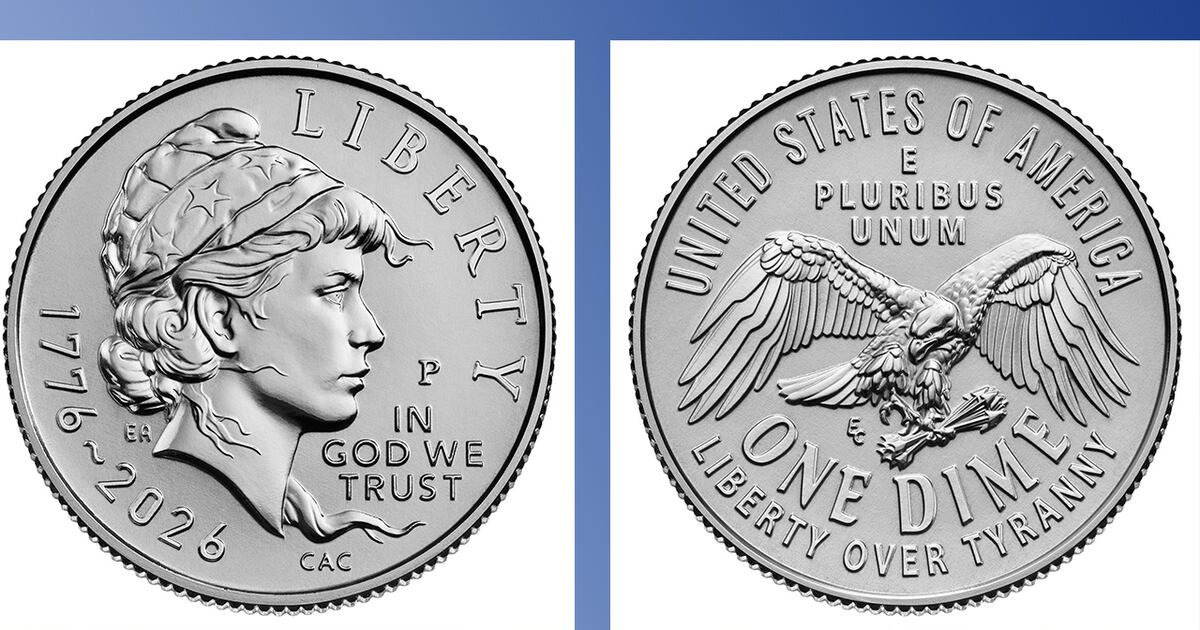
Modern releases like the 2026 Emerging Liberty Dime deserve the best protection right out of the mint.
Historical Deep Dive: The 1916 Standing Liberty Quarter
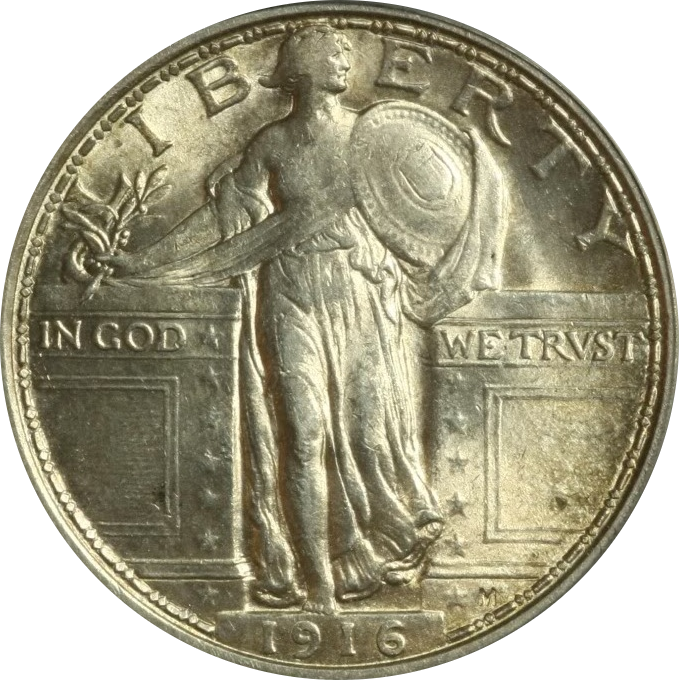
Every collector has a "holy grail." For many, it's the standing liberty quarter 1916.
This coin represents a turning point in American design. In 1916, the US Mint decided to replace the utilitarian Barber designs with something more artistic. Sculptor Hermon MacNeil created the Standing Liberty, showing Liberty standing in a gateway, holding an olive branch and a shield.
Why is it so famous?
- The Mintage: Only 52,000 were struck. That is incredibly low for a circulating US coin.
- The Controversy: The 1916 design featured Liberty with an exposed right breast. By 1917, the Mint "clothed" her in chain mail, creating the Type II design.
- The Rarity: Because it was a first-year issue with a low mintage, finding one in high grade is a massive achievement for any collector.
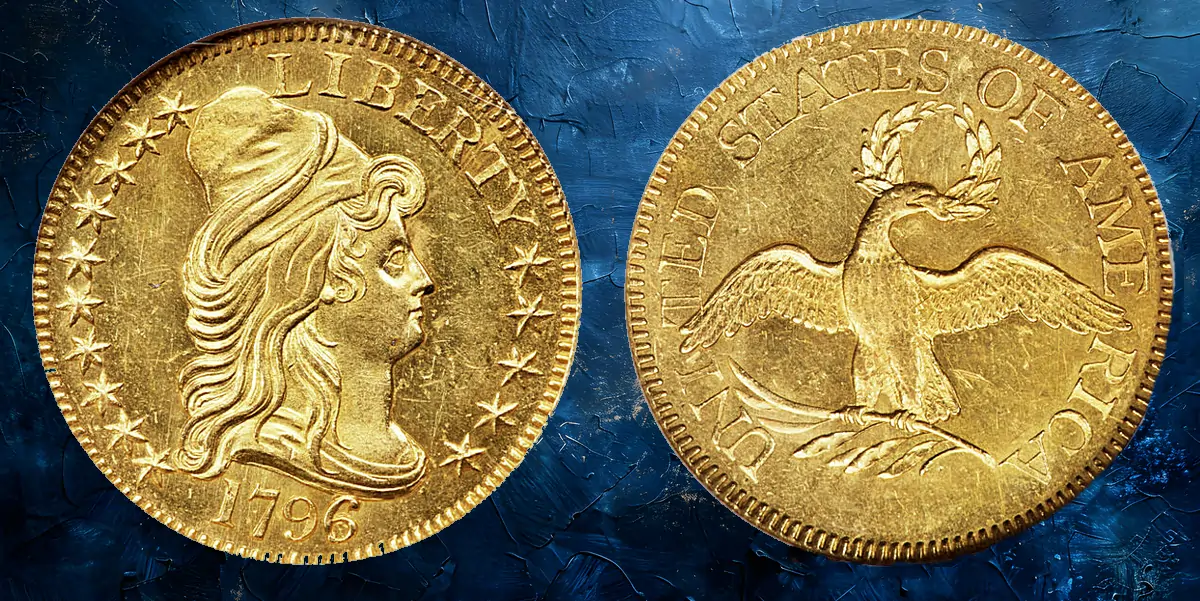
While the 1916 quarter is a dream, high-value rarities like this Half Eagle remind us why we study the history of the hobby.
Mastering the Basics: ANA Grading Standards
To buy and sell with confidence, you have to understand grading. The American Numismatic Association (ANA) set the bar for how we describe a coin’s condition.
ANA grading standards use a 70-point scale.
- 1 (Poor): You can tell it’s a coin, but not much else.
- 12 (Fine): Significant wear, but major details are visible.
- 50 (About Uncirculated): Only a trace of wear on the highest points.
- 60-70 (Mint State): No wear at all, just varying degrees of contact marks and luster.
When you listen to a numismatic podcast, you’ll often hear hosts debate whether a coin is a "64" or a "65." That one point can sometimes mean a difference of thousands of dollars.
What is a Coin Show?
If you really want to level up, you have to leave the house. What is a coin show? It’s more than just a marketplace; it’s a convention for people who love money.
At a coin show, you’ll find:
- Dozens (or hundreds) of dealers with tables full of inventory.
- Educational exhibits and guest speakers.
- On-site grading services.
- The chance to hold coins you’ve only ever seen in books.
Pro tip: When you go, bring a magnifying glass and a notebook. Don't be afraid to ask questions. Most dealers love to talk shop.
Counterfeit Coin Detection
As values rise, so does the risk of fakes. Counterfeit coin detection is a skill every collector must develop.
Red flags to watch for:
- Wrong Weight: Modern fakes are often made of base metals that don't weigh the same as silver or gold.
- Mushy Details: Authentic coins are struck with immense pressure, resulting in sharp edges. Fakes often look "soft" or "soapy."
- The Ring Test: Silver and gold have a distinct, long-lasting ring when gently tapped (though be careful not to damage the coin!). Base metals sound like a dull thud.
When in doubt, buy "slabbed" coins that have been authenticated by reputable services like PCGS or NGC.
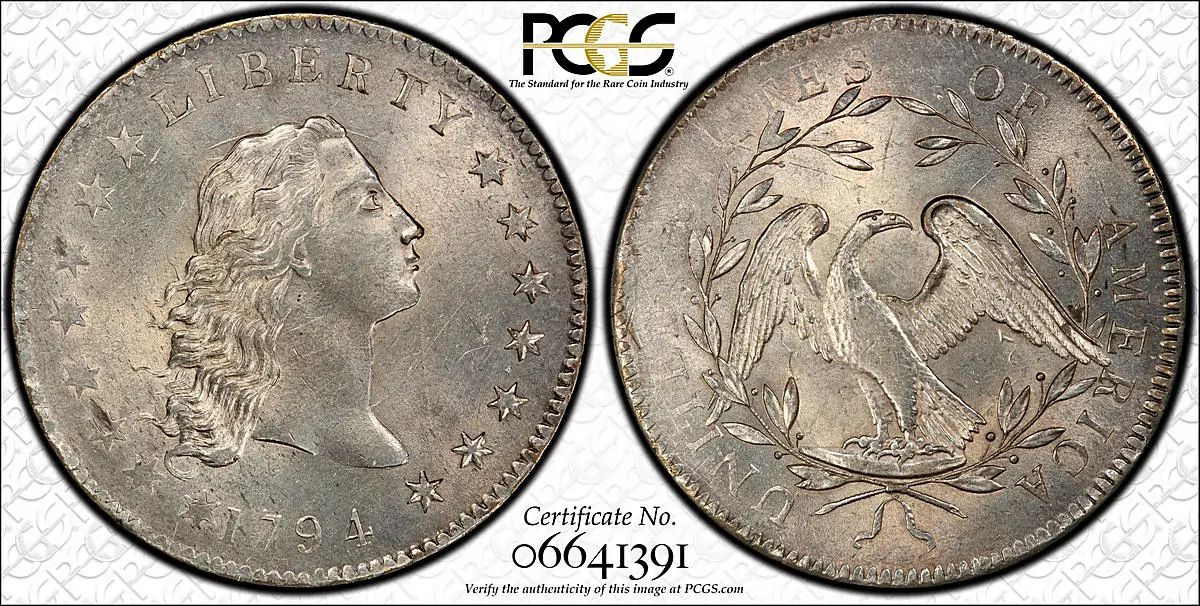
Authentication is key for historic rarities like the 1794 Flowing Hair Dollar, which can fetch millions at auction.
Final Thoughts
The world of coins is vast, but it doesn't have to be overwhelming. By plugging into a numismatic podcast, you're getting a front-row seat to the best education available. Remember to check your storage for PVC, study your ANA grading standards, and keep an eye out for that elusive standing liberty quarter 1916.
Happy hunting, and we’ll see you at the next show!