
Is Your Storage Killing Your Coins? 7 Mistakes You’re Making with Coin PVC Damage
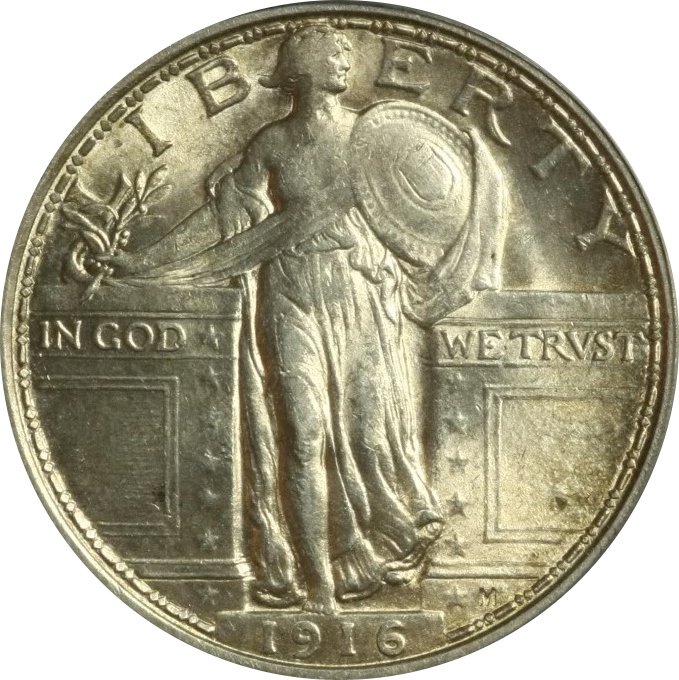
You’ve spent years hunting through pocket change, attending every local coin show, and scouring auctions to find that perfect addition to your collection. You finally land a beautiful, original silver coin: maybe even a key date like the standing liberty quarter 1916. You bring it home, tuck it away in a binder or a flip, and feel that satisfying "mission accomplished" glow.
But a few years later, you pull it out to admire it, and your heart sinks. There’s a weird, oily green film spreading across Liberty’s shield. It looks like slime. It feels sticky. And worst of all, it’s eating your investment.
Welcome to the nightmare of coin pvc damage.
At The Coin Show, we talk about this all the time on our coin collecting podcast. PVC damage is the "silent killer" of numismatics. It’s preventable, but if you’re making these common mistakes, your storage might be doing more harm than good.
Let's break down the 7 mistakes you're probably making with your how to store coin collection strategy and how to fix them before "the green" takes over.
What Exactly is PVC Damage?
Before we get into the mistakes, let's understand the enemy. PVC (polyvinyl chloride) itself isn't the problem. The problem is the plasticizers: chemical additives that make plastic flips soft and flexible. Over time, these chemicals break down and leach out of the plastic, reacting with the metal in your coins.
This creates a cloudy, sticky, or bright green residue. If left alone, this acidic goo will eventually "etch" the surface of the coin, causing permanent pitting and dullness that no amount of professional conservation can fully erase.
Mistake #1: The "Soft Flip" Trap
The most common mistake beginners make is using soft, flexible plastic flips. They feel "safe" because they don't scratch the coin easily, and they're usually cheap. However, that softness comes from the very plasticizers we just talked about.
If your flips are floppy and have a distinct "new shower curtain" smell, they likely contain PVC.
The Fix: Switch to mylar flips. Mylar is a brand name for biaxially-oriented polyethylene terephthalate (try saying that three times fast). It’s inert, which means it won’t react with your coins. Mylar flips are stiffer and "crunchier" than PVC flips, but they are the industry standard for safe, long-term storage.

Mistake #2: Storing Coins in the "Danger Zones" (Basements and Attics)
Humidity is the catalyst for almost every bad thing that can happen to a coin. High humidity accelerates the breakdown of PVC and encourages the formation of verdigris (that crusty green corrosion).
Storing your collection in a basement (damp) or an attic (too hot) is a recipe for disaster. Extreme temperature swings cause the air inside your holders to expand and contract, which can draw in moisture and pollutants.
The Fix: Keep your collection in a "climate-controlled" area. The same places you’d be comfortable sleeping: cool, dry, and stable: are where your coins should live. If you use a safe, consider adding silica gel packs to absorb any lingering moisture.
Mistake #3: The "Taped" 2×2 Disaster
We've all seen them at estate sales: cardboard 2×2 holders where the staples have been replaced with clear household tape.
Tape is a numismatic sin. The adhesives in tape contain acids and chemicals that will migrate through the cardboard and onto the coin's surface. Even worse, if you ever try to remove the coin, you’re likely to get sticky residue on the rim, which is a nightmare to clean without damaging the luster.
The Fix: Use a high-quality stapler for your cardboard 2x2s. Just make sure to "flatten" the staples with a pair of pliers so they don't scratch other coins in your binder.
Mistake #4: Trusting Old-School "Vinyl" Albums
That beautiful blue coin album you inherited from your grandfather? It might be a ticking time bomb. Many vintage albums from the mid-20th century used vinyl pages that are heavily loaded with PVC. If you see the pages turning yellow or becoming brittle, get your coins out of there immediately.
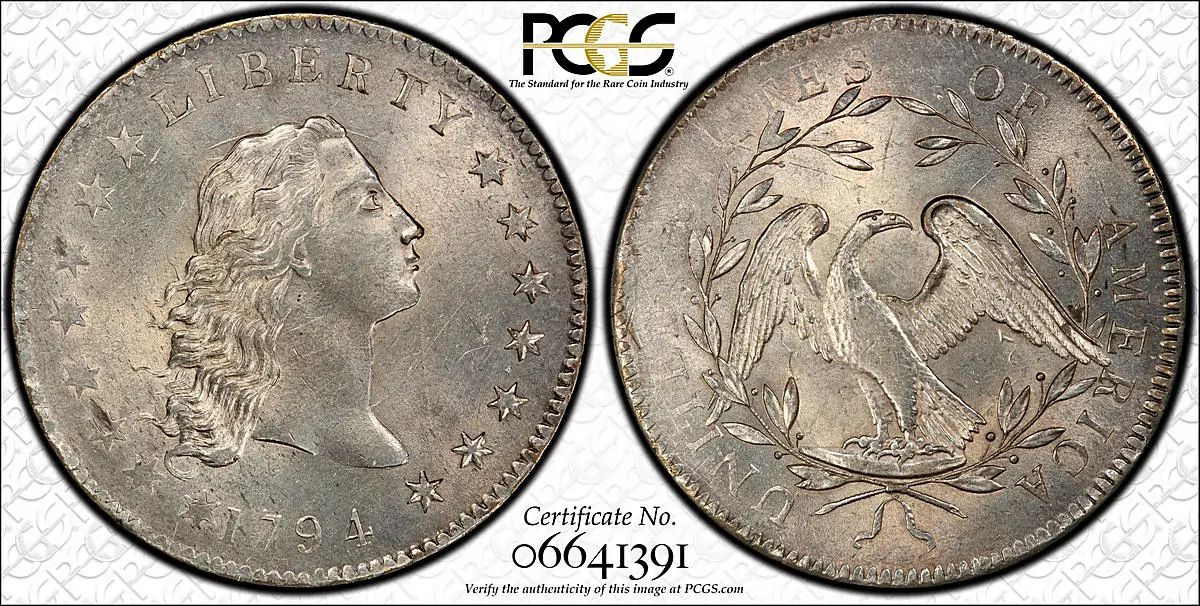
The Fix: Modern albums from reputable brands like Dansco, Whitman, or Intercept Shield are designed with archival safety in mind. If you're not sure about an album's safety, don't risk your high-value pieces like a 1794 Flowing Hair silver dollar in them.
Mistake #5: Handling with Bare Hands (The Oil Problem)
Your skin is naturally oily and acidic. When you touch a coin directly, you leave behind fingerprints that contain these oils. Over time, those fingerprints can become permanent "carbon spots" or etched into the metal. While this isn't "PVC damage," it's a storage-related mistake that ruins the eye appeal of uncirculated coins.
The Fix: Handle coins only by their edges. For high-grade Mint State coins, consider using lint-free cotton gloves or nitrile gloves.
Mistake #6: Ignoring the Signs of "Early" PVC
PVC damage starts as a light, hazy film. It might just look like the coin is losing its "pop" or becoming a bit "cloudy." Many collectors ignore this, thinking it's just natural toning. By the time it turns bright green, the damage is already being done.
The Fix: Regularly inspect your collection. Tilt your coins under a good light source (like a halogen or high-wattage LED). If you see a weird "wet" look or hazy patches that don't look like normal tarnish, it's time to act.
Mistake #7: The "Kitchen Counter" Cleaning Attempt
Once a collector realizes they have PVC damage, their first instinct is often to "clean" it. They might use a pencil eraser, a cloth, or even dish soap and a toothbrush.
STOP.
Rubbing a coin: especially with an abrasive: is the fastest way to turn a valuable coin into "junk silver." Those tiny scratches (hairlines) will be spotted instantly by any professional, and they will significantly lower the grade and value.
The Fix: PVC residue can often be removed safely using pure acetone (not nail polish remover, which has perfumes and oils). However, if you aren't experienced, we always recommend consulting a professional conservation service or asking for advice on a reputable numismatic podcast or forum.

Historical Spotlight: The 1916 Standing Liberty Quarter
Speaking of coins that deserve protection, let’s talk about the standing liberty quarter 1916.
In 1916, the U.S. Mint decided to overhaul its silver coinage. Out went the Barber designs, and in came the Mercury Dime, the Walking Liberty Half, and Hermon MacNeil’s stunning Standing Liberty Quarter.
The 1916 SLQ is a legendary "key date." Only 52,000 were struck. Because they were released very late in the year (December), most collectors didn't even realize they existed until 1917, by which time they had already been heavily circulated.
Identifying a 1916 vs. a 1917 Type 1
Since 1916s are so valuable, people often try to pass off worn 1917 Type 1 quarters as the rarer 1916. Here are two quick counterfeit coin detection tips:
- The Hair Curl: A genuine 1916 has a single, distinct hair curl near Liberty's forehead. The 1917 design was slightly modified here.
- The Gown Connection: On the 1916, the gown connects directly to Liberty’s foot. On the 1917, the fabric curls away.
Because of its rarity, this is a coin you should only buy in a "slab" from a major grading service like PCGS or NGC. These holders are made of inert, hard plastic that provides the ultimate protection against PVC.
Understanding ANA Grading Standards
When we talk about whether a coin is "worth" the effort of high-end storage, we usually look at its grade. The ANA grading standards (based on the 70-point Sheldon scale) are the rulebook we use.
For the Standing Liberty series, collectors look for the "Full Head" (FH) designation. This isn't a technical grade, but a strike designation. To get an FH, Liberty's head must show a full hairline, a clear ear hole, and three distinct leaves in her hair.
A 1916 SLQ in AU-58 (About Uncirculated) with a Full Head is a "holy grail" coin. If you own one, and you’re keeping it in a soft PVC flip? You’re playing a very expensive game of chance.
Final Thoughts: Don't Let the Slime Win
Coin collecting is about preserving history. Whether you’re into modern errors or colonial rarities, your job as a collector is to be a good steward of these tiny pieces of metal.
Check your holders today. If they smell like a pool toy or feel like a limp noodle, get some mylar flips. Your future self (and your wallet) will thank you.
For more coin collecting tips, deep dives into market trends, and "nerding out" over the latest mint releases, check out our latest episodes at The Coin Show. We’ve got hundreds of hours of content to help you navigate the hobby without making the "green slime" mistakes of the past.
Want to see these storage issues in action? Head over to our YouTube gallery where we show you exactly what to look for when inspecting your collection!
Happy collecting, and stay dry!