
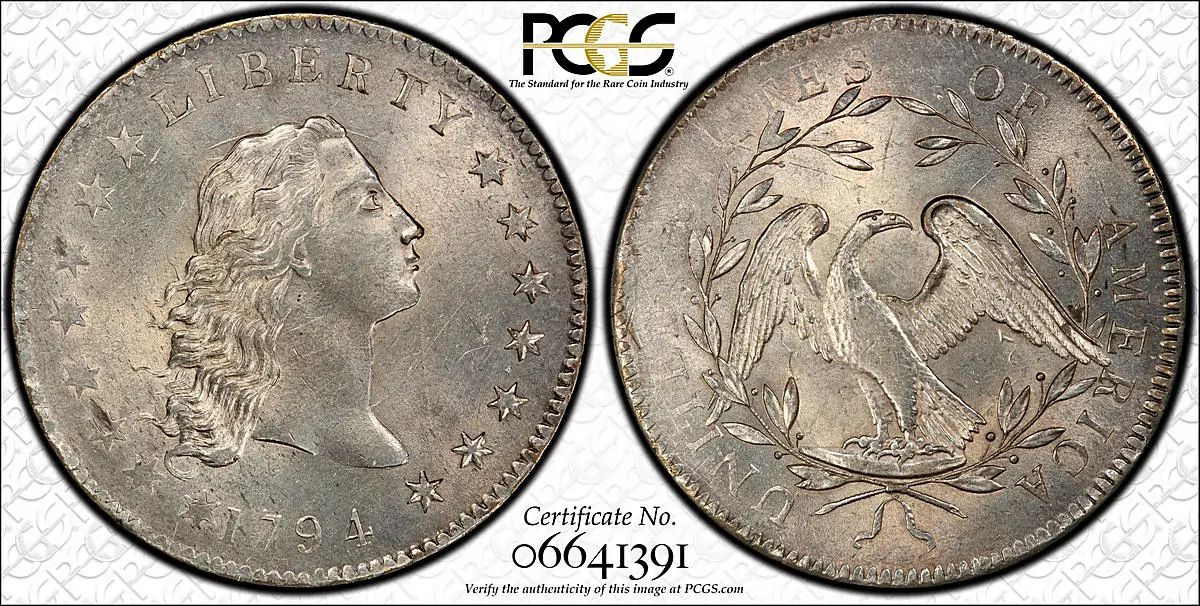
Looking for a New Coin Collecting Podcast? 10 Things You Should Know About the Numismatic World Today
Welcome to another edition of The Daily Mint. If you’ve been scouring the web for a new coin collecting podcast, you’ve probably realized the hobby is bigger and more active than ever. Whether you’re a veteran with a safe full of gold or a beginner checking your pocket change, there is always something new to learn.
At The Coin Show, we live and breathe this stuff. We know that the leap from "guy with some old coins" to "serious numismatist" can feel a bit overwhelming. That’s why we’ve put together this list of 10 essential things you should know about the numismatic world today.
1. Why a Numismatic Podcast is Your Best Friend
The world of coins moves fast. From sudden auction records to new Mint releases, staying updated is a full-time job. A good numismatic podcast: like ours: acts as your weekly briefing. It’s where you can hear experts talk about the market in a way that’s casual and easy to understand. You don't need a PhD in history to enjoy it; you just need a bit of curiosity. Listening while you drive or sort through your latest finds is the best way to soak up knowledge without it feeling like a chore.
2. The Nightmare of Coin PVC Damage
If you take away only one thing from this post, let it be this: beware of the "green slime." Many older coin holders were made with polyvinyl chloride (PVC). Over time, the chemicals in these soft plastic flips break down, especially in heat or humidity. The result is coin PVC damage, which shows up as a sticky, greenish residue on your coins.
This residue doesn't just look ugly; it actually eats into the surface of the metal. If you find green goo on your silver or copper, it needs professional attention immediately. Usually, a pure acetone bath (done safely!) can help, but preventing it is much easier than fixing it.
3. How to Store a Coin Collection Safely
Since we know PVC is the enemy, how should you be doing it? Proper coin storage for collectors involves using inert materials. Look for flips made of Mylar or high-quality rigid plastic. These won't "off-gas" and destroy your coins over the next decade.
When thinking about how to store a coin collection, remember the three enemies: moisture, heat, and air. Keep your collection in a cool, dry place. Silica gel packets in your safe or storage box can work wonders for keeping humidity at bay. Your future self (and your heirs) will thank you.
4. Master Counterfeit Coin Detection
The unfortunate reality of a high-value market is that fakes exist. Modern counterfeits are getting scarily good. However, you can protect yourself with a basic checklist for counterfeit coin detection:
- Weight: Check the weight against official specs. Most fakes are off by at least a gram.
- Magnetism: Most collectible U.S. coins (except the 1943 cent) are not magnetic. If it sticks to a magnet, it's a fake.
- The Edge: Check for seams or odd-looking reeding.
- The Ping: Genuine silver has a distinct ring when tapped (carefully!), while base metals sound "thuddy."
5. Understanding ANA Grading Standards
How do we all agree on what a coin is worth? We use the ANA grading standards. The American Numismatic Association helped popularize the 1 to 70 scale.
- 1 (Poor): You can barely tell what it is.
- 70 (Perfect): Not a single scratch even under 5x magnification.
Most of the coins you find in your pocket will be in the "Circulated" range, while those shiny ones from the Mint are "Mint State" (60-70). Learning to "eye-grade" can save you from overpaying for a coin that isn't quite as nice as the seller claims.
6. What is a Coin Show and Why Should You Go?
You might see advertisements for local events and wonder: what is a coin show? Imagine a giant room: a "bourse": filled with hundreds of tables. Behind those tables are dealers from all over the country.
Going to a show like the ANA World’s Fair of Money is an experience every collector should have. It’s the best place to see thousands of coins in person, talk to experts, and find that one specific piece you’ve been hunting for. Plus, the energy is infectious.
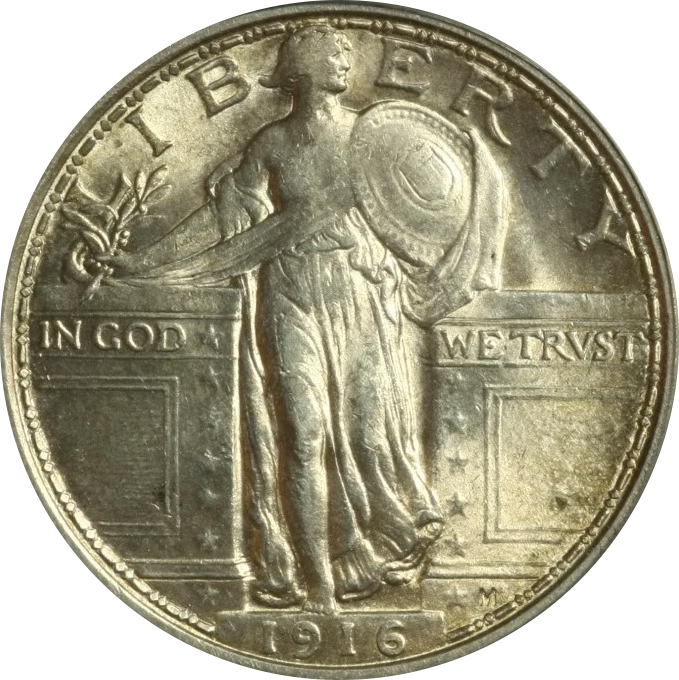
7. The Legend of the 1916 Standing Liberty Quarter
Every hobby has its "holy grails." In American numismatics, the Standing Liberty Quarter 1916 is a heavy hitter. This coin was the first year of the design, and the Mint only produced about 52,000 of them. That's a tiny number compared to the millions they usually strike.
History buffs love this coin because of its controversial design. The original 1916 version featured an exposed breast on Lady Liberty. By 1917, the design was changed to cover her with chain mail. Whether it was for "decency" or for protection in World War I, it created a lasting numismatic legend.
8. Keeping an Eye on Modern Mint Releases
While we love the classics, the U.S. Mint is constantly putting out new, exciting programs. For instance, the upcoming 1776-2026 Emerging Liberty Dime is part of the Semiquincentennial celebration.
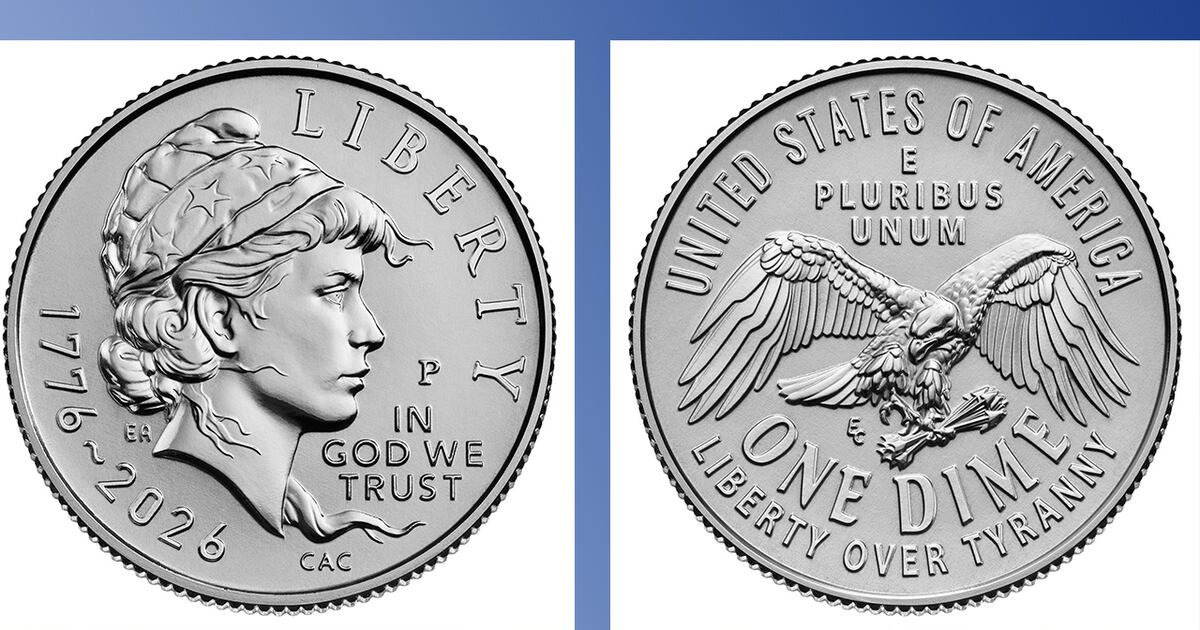
These modern releases are great for new collectors because they are accessible and often feature beautiful, updated artwork. They also provide a great entry point into understanding how "mintage" and "demand" drive prices in real-time.
9. Rare Finds and Auction Records
The high-end market is currently on fire. Recently, coins like the 1796/5 Half Eagle have sold for record-breaking prices at auction.
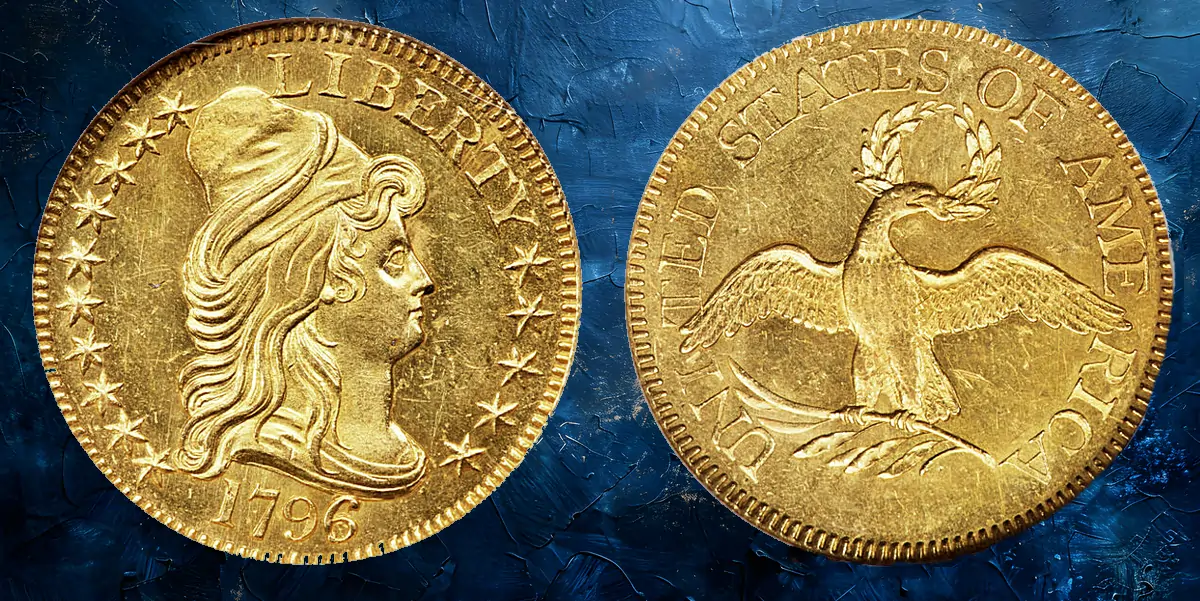
Why does this matter to you? Because the "top" of the market often dictates the health of the hobby as a whole. When a gold coin sells for millions, it brings new eyes and new money into the world of coins, making your collection more liquid and potentially more valuable.
10. Building Your Community
Collecting doesn't have to be a solo sport. Whether it’s joining a local club, participating in online forums, or just leaving a comment on your favorite coin collecting podcast, being part of a community makes the hobby better. You’ll find people willing to share their knowledge, trade coins, and help you identify that weird "error" you found in your change.
At The Coin Show, we're all about that community. We want to make numismatics accessible, fun, and maybe a little bit addictive.
Final Thoughts
Coin collecting is more than just a hobby: it's a way to hold history in your hands. From avoiding coin pvc damage to hunting for a Standing Liberty Quarter 1916, there is always a new goal to chase.
If you're ready to dive deeper, subscribe to our podcast and check out the rest of our blog. We’ll see you at the next coin show!