Coin Collecting Tips 101: A Beginner’s Guide to Mastering the Hobby
So, you’ve found a strange-looking coin in your pocket change, or maybe you inherited a dusty jar of silver dollars from your grandfather. Suddenly, the "bug" has bitten you. Welcome to the world of numismatics! It’s a hobby that’s part treasure hunt, part history lesson, and part investment strategy.
At The Coin Show, we’ve spent years talking to everyone from casual "pocket change" hunters to world-class experts on our coin collecting podcast. We know that starting out can feel like learning a whole new language. Between "slabs," "PVC damage," and "mint marks," there’s a lot to take in.
But don’t worry: you don’t need a PhD in history to enjoy this. You just need a few basic coin collecting tips to keep your collection safe and your wallet happy.
The Legend of the 1916 Standing Liberty Quarter
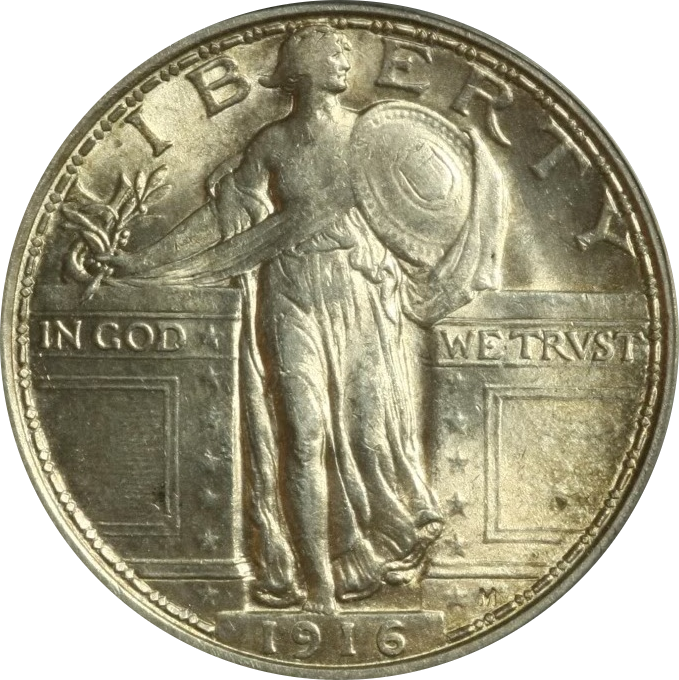
Every collector has a "dream coin." For many, it’s the Standing Liberty Quarter 1916.
In 1916, the U.S. Mint decided to overhaul the designs of our silver coinage. The result was Hermon A. MacNeil’s beautiful "Standing Liberty" design. However, they only struck about 52,000 of them in that first year. Compare that to the hundreds of millions of quarters struck today, and you’ll see why finding a 1916 is such a big deal.
Because it’s the first year of the series and has such a low mintage, it’s a "key date." Even a heavily worn 1916 can be worth thousands of dollars. It’s the kind of coin that keeps people checking their change and visiting every coin show in a three-state radius. But because it’s so valuable, it’s also a prime target for fakes (more on that later).
Coin Storage for Collectors: The "No PVC" Rule
One of the most common questions we get on our numismatic podcast is: "How should I store my coins?"
The absolute most important rule is: Avoid PVC like the plague.
Back in the day, many plastic coin holders (called "flips") were made with polyvinyl chloride (PVC) to make them soft and pliable. Over time, that PVC breaks down and releases acidic gases. This creates a sticky, green slime on the surface of your coins known as coin PVC damage.
If left too long, that green goo will actually eat into the metal, causing permanent pitting and ruining the coin’s value. When you’re looking for coin storage for collectors, always make sure the products are labeled "PVC-free" or "archival safe." Use Mylar flips, hard plastic capsules, or acid-free paper 2x2s.
Knowing how to store coin collection sets is the difference between an heirloom and a pile of damaged metal. Keep your coins in a cool, dry place. Humidity is the enemy of copper and silver, and big temperature swings can cause "toning" that isn’t always the pretty kind.
Mastering the Grade: ANA Grading Standards
In the coin world, condition is everything. A coin that looks "pretty good" to the naked eye might be worth $20, while the exact same coin in "Gem" condition might be worth $2,000.
To make sense of this, we use the ANA grading standards. The American Numismatic Association helped popularize a 70-point scale:
- 1 to 59: Circulated coins (they’ve been spent and have wear).
- 60 to 70: Uncirculated or "Mint State" (MS) coins.
When you’re grading, you’re looking at four main things:
- Luster: That "cartwheel" shimmer of light that moves across a new coin.
- Wear: Is the detail on the high points (like Liberty’s hair or the eagle’s breast) rubbed away?
- Marks: Any scratches, dings, or "bag marks" from when the coins hit each other at the Mint.
- Eye Appeal: Does the coin just look good?
Learning to grade takes time. We always recommend "buying the book before the coin." Pick up a copy of the Official ANA Grading Standards for United States Coins. It’ll save you a fortune in the long run.
Avoiding the Trap: Counterfeit Coin Detection
As you get into more expensive coins: like that Standing Liberty Quarter 1916 we mentioned: you have to be careful. Modern fakes are getting better every day.
Counterfeit coin detection is a skill you build over years, but here are three beginner tips:
- The Weight Test: Counterfeits are often made of cheaper, lighter metals. If a silver dollar weighs significantly less than the official 26.73 grams, it’s a fake.
- The Magnet Test: Genuine gold and silver coins are not magnetic. If your "rare" coin sticks to a magnet, it’s definitely a dud.
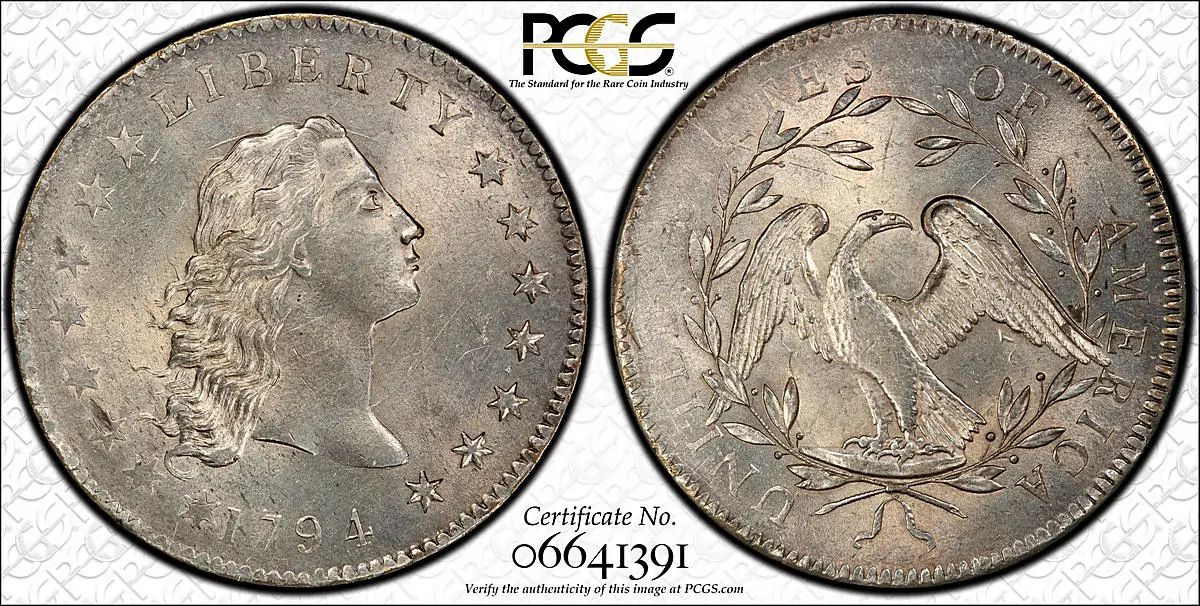
- The "Slab" Strategy: For expensive coins, only buy ones that have been authenticated and graded by a reputable third-party service like PCGS or NGC. These are often called "slabbed" coins.
Remember the old saying: "If a deal seems too good to be true, it probably is." If someone is selling a 1916 SLQ on a random auction site for $50, keep walking.
Joining the Community: What is a Coin Show?
Collecting doesn’t have to be a lonely hobby. One of the best ways to learn is to get out there and meet people.
So, what is a coin show? Imagine a giant room filled with hundreds of tables, each one covered in glass cases full of history. It’s a place where you can hold a 2,000-year-old Roman coin in one hand and a gold nugget in the other.
Shows are the best place to:
- See thousands of coins in person (which helps your grading skills).
- Talk to dealers who have been in the business for decades.
- Find the specific supplies you need for coin storage for collectors.
If you can’t make it to a show, the next best thing is joining a community. Whether it’s a local coin club or tuning into a numismatic podcast, hearing other people’s stories and mistakes will accelerate your learning.
Final Thoughts: Take it Slow
The best coin collecting tips we can give you are to be patient and have fun. Don't feel like you have to build a world-class collection in a week. Start with what you like: maybe it's quarters, maybe it's silver dollars, or maybe it's coins with animals on them.
The history is what makes this hobby special. Every coin in your hand has a story. It might have been in a soldier’s pocket during a war, or used to buy a loaf of bread during the Great Depression.
If you want to keep learning, check out our YouTube channel where we show off rare finds, or listen to The Coin Show podcast for weekly deep dives into the hobby. We’re here to help you navigate the world of coins without the "stuffy" attitude.
Happy hunting, and remember: check your change!