

7 Mistakes You’re Making with Coin Storage (And How to Stop PVC Damage)
You’ve spent weeks hunting down that perfect 1916 Standing Liberty Quarter. You’ve checked the mint marks, debated the strike quality, and finally pulled the trigger on the purchase. You bring it home, tuck it into a clear plastic flip, and slide it into a drawer. You’re done, right?
Not exactly.
One of the most heartbreaking moments for any collector is opening a storage box years later only to find their prized silver dollars covered in a sticky, neon-green film. This is the calling card of PVC damage, and it’s just one of the many ways a "safe" storage spot can actually be a slow-motion disaster for your collection.
At The Coin Show, we talk to collectors every week who are just starting out or have been at it for decades. The biggest takeaway? Finding the coin is only half the battle. Keeping it in its current grade is where the real work happens.
Here are the 7 most common mistakes you’re likely making with your coin storage and how to fix them before the damage becomes permanent.
1. The "Soft Flip" Trap: Welcoming the Green Slime
If you’ve ever bought a coin from a bargain bin, it probably came in a soft, pliable plastic flip. These are great for a five-minute trip home, but they are a nightmare for long-term storage.
Most of these soft holders are made of Polyvinyl Chloride (PVC). To make the plastic flexible, manufacturers add chemicals called plasticizers. Over time, these chemicals "leak" out of the plastic and react with the metal of your coin. This creates a green, acidic residue that doesn't just sit on the surface: it actually eats into the metal.
The Fix: Switch to Mylar (polyester) flips. They are stiffer and more "crinkly," but they are chemically inert. If you see a flip that smells like a new shower curtain, throw it away. That smell is the PVC off-gassing, and it's a warning sign for your collection.
2. Humidity: The Invisible Coin Killer
Storing your coins in the basement or the attic? You might as well store them in a swamp. Coins hate moisture. High humidity accelerates oxidation, leading to ugly spotting on silver and "zinc rot" on modern compositions.
Even worse, humidity speeds up the breakdown of those bad PVC holders we just mentioned. When moisture meets acidic plasticizers, the reaction happens twice as fast.
The Fix: Store your collection in a "conditioned" space: meaning somewhere with stable temperature and low humidity. Using silica gel packets in your safe or storage box is a cheap way to keep the air dry. If you’re serious about how to store coin collection assets, a hygrometer (a little tool that measures humidity) is a must-have.

3. The "Bare Hands" Blunder
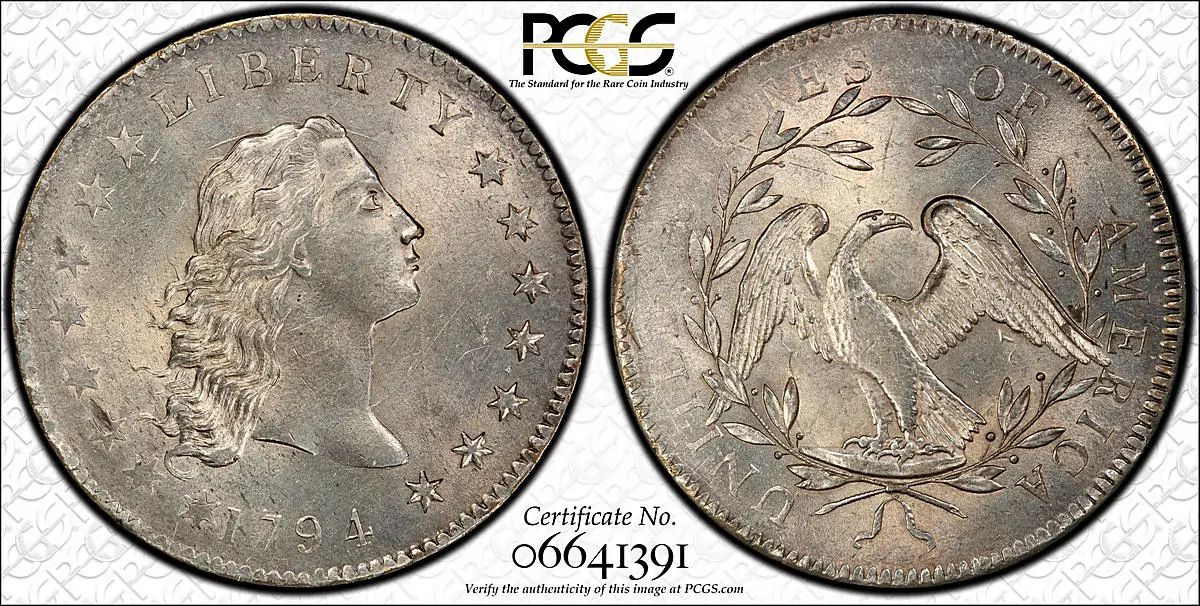
We get it. You want to feel the history. You want to hold that 1794 Flowing Hair Silver Dollar and imagine who else held it 230 years ago. But your skin is covered in oils, salts, and acids.
One single fingerprint on a pristine proof coin can turn into a permanent, dark stain within months. By the time you see it, the oils have already etched into the surface. According to ANA grading standards, a fingerprint on a high-grade coin can drastically lower its technical grade and market value.
The Fix: Handle coins by the edges only. Better yet, wear lint-free cotton gloves or powder-free nitrile gloves. It might feel a bit formal, but your coins will thank you.
4. Acidic Paper and Mystery Cardboard
Many people inherit collections stored in old cigar boxes or wrapped in notebook paper. This is a recipe for disaster. Most paper and cardboard contain sulfur and acids used in the manufacturing process. These chemicals will cause coins to tone: and not the "pretty rainbow" kind of toning. We’re talking about turning your beautiful silver coins a flat, ugly black.
The Fix: Only use paper products labeled "acid-free" or "archival-quality." When using the common 2×2 cardboard holders, make sure the clear window is Mylar, not PVC.
5. Rubber Bands and Adhesive Tape
This is the "MacGyver" mistake. You have a stack of flips that keep sliding around, so you wrap a rubber band around them. Or maybe a flip is cracked, so you tape it shut.
Rubber bands contain high levels of sulfur. Even if they don't touch the coin directly, they off-gas sulfur into the air inside your storage box. Tape is even worse: the adhesive can migrate over time and leave a residue that is nearly impossible to remove without harsh chemicals.
The Fix: Use specialized coin storage boxes or albums designed for the specific type of holder you use. If a flip is broken, replace it. Don't tape it.
6. The "Clinker" Storage (Loose Coins)
Keeping your "pocket piece" or a handful of silver quarters in a jar might look cool, but every time you move that jar, the coins rub against each other. This causes "bag marks," scratches, and "hairlines." If you ever plan on counterfeit coin detection or professional grading, these surface scratches make it much harder for graders to verify the coin’s original luster.
The Fix: Every coin worth more than its face value should have its own individual holder. Whether it’s a 2×2, a plastic capsule (like an Air-Tite), or a professional slab from a service like PCGS or NGC, physical separation is key.
7. The "Cleaning" Catastrophe
When a collector sees a bit of PVC green or some dark toning, their first instinct is to "fix" it. They grab the silver polish or the baking soda.
STOP.
Cleaning a coin is the single fastest way to destroy its numismatic value. Abrasive cleaning leaves microscopic scratches that any seasoned collector or professional grader can spot from a mile away. Once a coin is "cleaned," it is often labeled as "Environmental Damage" or "Improperly Cleaned" by grading services, which can cut its value by 50% or more.
The Fix: If you suspect coin pvc damage, do not try to scrub it off. Professional conservation services (like NCS) use controlled chemical baths to remove residue without harming the underlying metal.
Case Study: The 1916 Standing Liberty Quarter
Why does all this matter? Let’s look at the 1916 Standing Liberty Quarter. It’s a classic "key date" with a tiny mintage of only 52,000. In high grades, these can fetch tens of thousands of dollars.
However, because they were often stored in old-fashioned albums or loose in felt bags, many surviving examples have "cloudy" surfaces or PVC damage. A 1916 Quarter that has been stored correctly for 100 years is a masterpiece. One that was kept in a PVC flip in a humid basement is just a very expensive piece of damaged silver.
When you go to a coin show, you’ll see the difference. The coins that look "fresh" are the ones that were stored with the tips we’ve discussed today.
Modern Coins Need Love Too
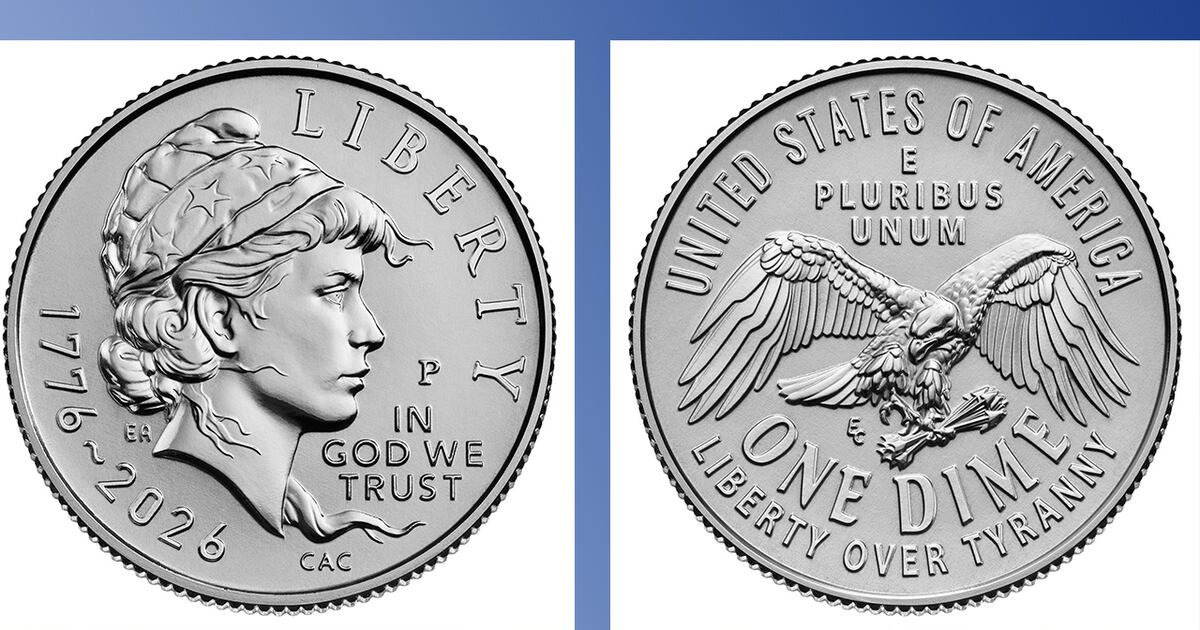
Don't think this is just for the old stuff. Even the new 1776-2026 Emerging Liberty Dime or the West Point Quarters need proper care. Modern "cladding" and finishes can still react to environmental pollutants. Starting good storage habits now ensures that today’s "pocket change" finds become tomorrow’s family heirlooms.
Summary: Your Storage Checklist
If you're feeling overwhelmed, just follow this simple checklist to keep your collection safe:
- Check your flips: If they are soft and smell like plastic, replace them with Mylar.
- Buy a safe box: Get a dedicated, plastic-safe box for your 2x2s or slabs.
- Dry it out: Toss a few silica packets into your storage area.
- Hands off: Buy a pair of cotton gloves for your next "desk session."
- Keep it stable: Move the collection out of the garage/attic and into a closet in the main house.
Want More Numismatic Tips?
At The Coin Show, we’re obsessed with the details of this hobby. Whether we’re discussing the latest mint releases, debating ana grading standards, or interviewing experts on what is a coin show and how to navigate one, we’re here to help you become a better collector.
Check out our coin collecting podcast for weekly deep dives into the world of money. We don't just talk about the coins; we talk about the stories, the people, and the preservation of history.
Proper storage isn't just about money: it's about being a good steward of history. Don't let a $0.10 plastic flip destroy a $1,000 coin. Fix your storage today!