

Coin PVC Damage: 7 Mistakes You’re Making with Your Collection (and How to Fix Them)
If you’ve been hanging out with us on The Coin Show, our coin collecting podcast, you know there is one phrase that strikes fear into the heart of every numismatist: Green Slime.
We aren't talking about a 90s game show. We’re talking about coin PVC damage.
Polyvinyl Chloride (PVC) is the silent killer of coin collections. It starts as a faint, oily haze and ends as a corrosive, metal-eating residue that can turn a high-grade treasure into a "details" coin faster than you can say "Buffalo Nickel." Whether you're checking your pocket change for errors or you've just inherited a box of vintage proof sets, understanding how to store coin collection sets is the difference between a growing investment and a pile of damaged metal.
Today, we’re breaking down the seven most common mistakes collectors make with PVC, how it affects ANA grading standards, and exactly how to fix the damage before it’s too late.
1. The "Soft and Smelly" Flip Trap
The number one way PVC enters your life is through cheap storage. Those soft, pliable, plastic "flips" that many dealers use for temporary sales are often made with PVC to keep them flexible.
The Mistake: Keeping your coins in these soft flips long-term.
The Fix: Use the "smell and feel" test. PVC flips usually have a distinct "new shower curtain" smell and feel slightly greasy or rubbery. If you can bend the flip into a U-shape without it cracking or creasing white, it likely contains PVC. Swap these out immediately for coin storage for collectors that is labeled as "PVC-Free" or "Archival Safe" Mylar.
2. Waiting for the "Green" to Show Up
A lot of beginners think that if the coin isn't green, it’s safe. That is a dangerous game.
The Mistake: Only acting once you see the "Green Slime."
The Fix: PVC damage actually begins as a clear, oily film. By the time it turns green, it has already started reacting with the copper or silver in the coin. Periodically inspect your coins under a strong, diffuse light. Tilt the coin at an angle; if you see a milky haze or a greasy reflection that doesn't look like original mint luster, you have a problem.
3. Confusing Toning with Damage
We love a beautifully toned coin. That rainbow patina can add thousands to a coin’s value. But PVC residue is not toning.
The Mistake: Thinking that "haze" is just natural aging.
The Fix: Natural toning is a chemical change in the metal's surface. PVC residue is a foreign substance sitting on top of the metal. If you're unsure, look at the high points of the coin. PVC residue often accumulates where the coin touches the plastic. If the "toning" is sticky or looks like it could be wiped off (don't try it yet!), it's probably PVC.
4. The DIY Scrubbing Disaster
When collectors see gunk on a coin, their first instinct is to grab a toothbrush or a soft cloth and start scrubbing.
The Mistake: Mechanical cleaning.
The Fix: Never, ever rub a coin. Even a soft cloth will leave microscopic scratches known as "hairlines." According to ANA grading standards, these hairlines will result in a "Cleaned" or "Details" grade, permanently destroying the coin's numismatic value. If you have PVC residue, you need a chemical solution, not physical force.
5. Using the Wrong Chemicals (No Nail Polish!)
If you’ve done a quick search on a numismatic podcast forum, you've probably heard the word "Acetone." It's the gold standard for removing PVC, but there’s a catch.
The Mistake: Using grocery store nail polish remover.
The Fix: Nail polish remover contains perfumes, oils, and coloring that can leave a permanent film on your coin. You must use 100% Pure Acetone (usually found in the hardware section).
- The Process: Dip the coin in a glass container of pure acetone for 30–60 seconds.
- The Rinse: Rinse with distilled water and let it air dry on a soft, lint-free surface.
- Safety First: Do this in a well-ventilated area: acetone is flammable and the fumes are no joke!
6. Ignoring the Climate
You can have the best coin storage for collectors, but if you keep your collection in a hot, humid attic, you’re inviting trouble.
The Mistake: Storing coins in non-climate-controlled areas.
The Fix: Heat and humidity accelerate the chemical breakdown of PVC. It makes the plasticizers leach out of the holders and onto your coins much faster. Keep your collection in a cool, dry place. A silica gel pack in your safe or storage box is a cheap way to keep moisture at bay.
7. Skipping the "Professional" Step for Key Dates
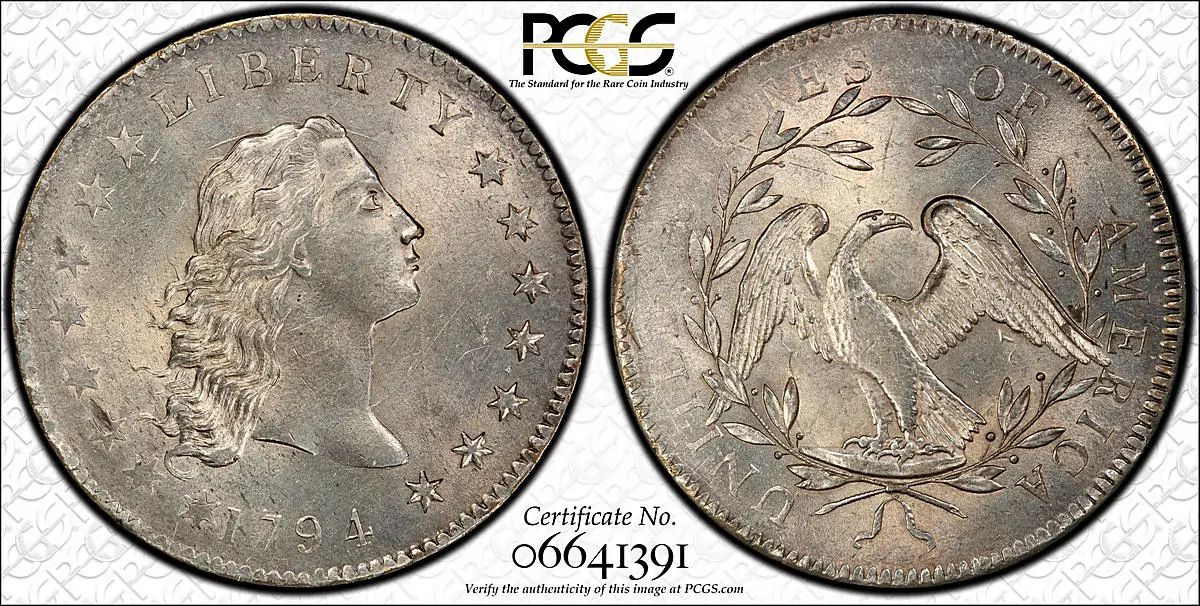
If you find yourself holding a Standing Liberty Quarter 1916 or an early Flowing Hair Dollar with green residue, the DIY method might be too risky.
The Mistake: Trying to save a $5,000 coin with a $5 bottle of acetone.
The Fix: For high-value "key dates," send the coin to a professional conservation service like NCS (Numismatic Conservation Services). They can safely remove the residue and then have the coin graded by experts. This ensures the coin is stabilized and "slabbed" in an inert, sonically sealed holder that will protect it for decades.
Why Storage Matters: The Big Picture
Whether you're just starting and asking what is a coin show, or you're a seasoned veteran, coin care is part of the hobby. We spend so much time on counterfeit coin detection and hunting for rare mint marks that we often forget the simplest rule: Do no harm.
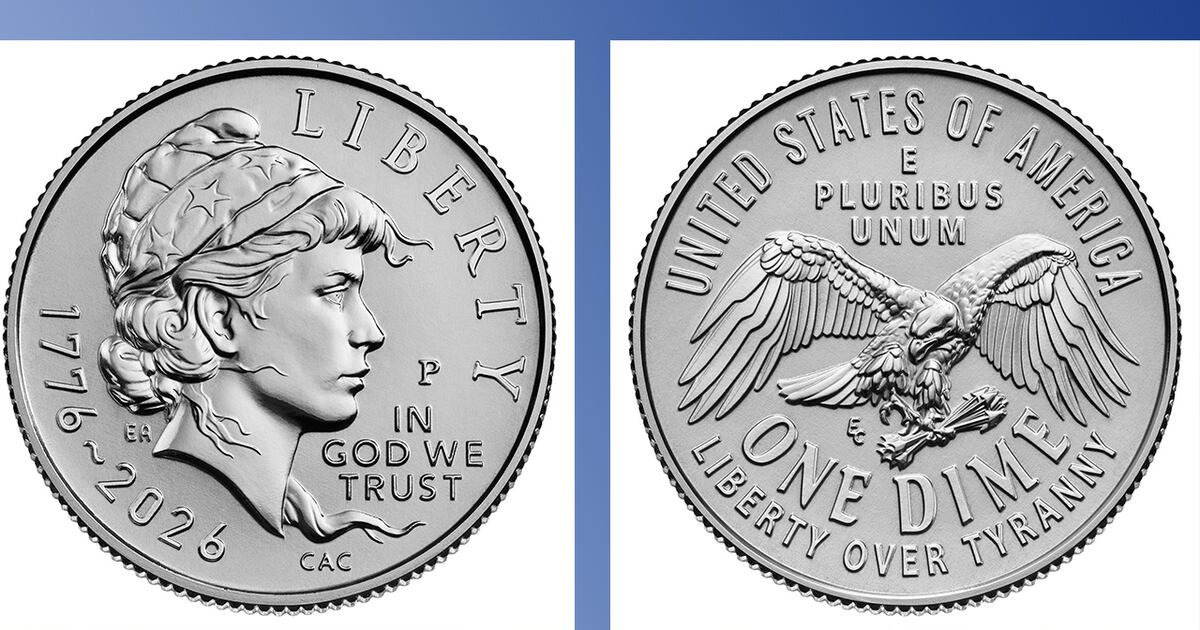
Even modern releases, like the new 1776-2026 Emerging Liberty Dime, aren't immune. While modern mint packaging is generally safe, transferring them to cheap, third-party albums can start the PVC clock ticking.
Final Thoughts
Your collection is a piece of history. Don't let a 10-cent plastic flip destroy a hundred years of heritage. If you want more coin collecting tips or want to hear us dive deep into the world of numismatics, make sure to subscribe to The Coin Show podcast. We talk about everything from the latest auction records to the nitty-gritty of coin preservation.
Stop the slime. Save the coins. Happy collecting!