
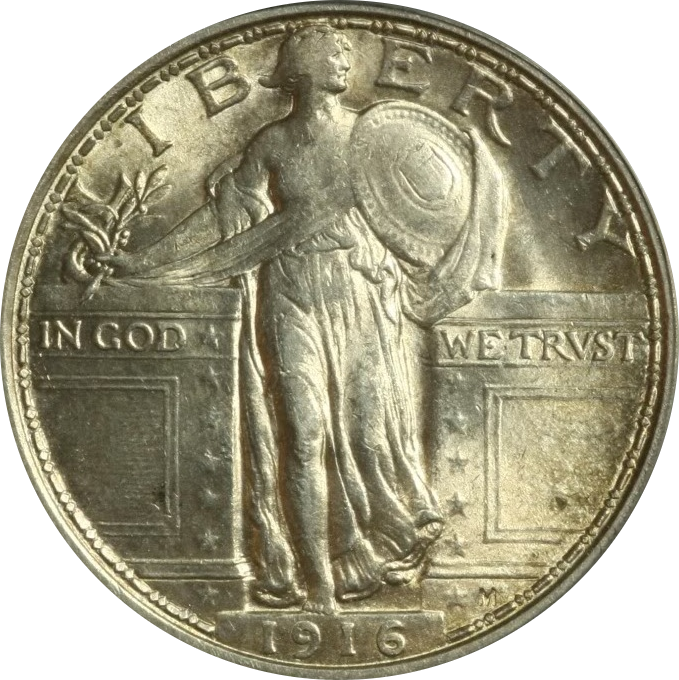
7 Mistakes You’re Making with Coin Storage (and How to Fix Them Instantly)
Welcome to another edition of The Daily Mint! If you’ve ever tuned into The Coin Show podcast, you know we’re obsessed with the details. Whether it's the thrill of finding a rare die variety or the history behind a 1916 Standing Liberty Quarter, we live for this hobby.
But here’s the cold, hard truth: you can be the most talented hunter in the world, but if your storage game is weak, you’re essentially flushing money down the toilet. I’ve seen beautiful, high-grade coins reduced to "junk silver" status simply because they spent a decade in the wrong plastic.
Storage isn't just about organizing; it's about preservation. It’s the difference between a coin that stays "Choice Uncirculated" and one that develops a nasty case of environmental damage. Today, we’re breaking down the seven biggest mistakes collectors make with their storage and how you can fix them right now.
1. The "PVC Nightmare" (Using Soft Plastic Flips)
This is the king of all coin storage mistakes. If you take away only one thing from this post, let it be this: PVC is the enemy.
Many "soft" or flexible plastic flips used by dealers for short-term transport contain polyvinyl chloride (PVC). To make the plastic soft and pliable, manufacturers add plasticizers. Over time, these chemicals leak out and react with the metal of your coins. The result? A sticky, green, gooey film that eats into the surface.
The Fix:
If you have coins in soft, oily-feeling flips, get them out instantly. Replace them with non-PVC, archival-safe flips made of Mylar or rigid polypropylene. When you’re at a coin show, ask the supply vendors specifically for "unplasticized" or "archival" flips. If you already see a green tint, don't panic yet, a quick soak in pure acetone (not nail polish remover!) can often safely remove the residue before it causes permanent pitting.
2. The "Golden Touch" (Handling with Bare Hands)
We all love the feel of a heavy silver dollar, but your fingers are secret weapons of destruction. Your skin naturally produces oils, acids, and sweat. When you touch the face of a coin, those oils transfer to the metal. At first, you won't see anything. But six months later? You’ll see a permanent, dark fingerprint etched into the luster.
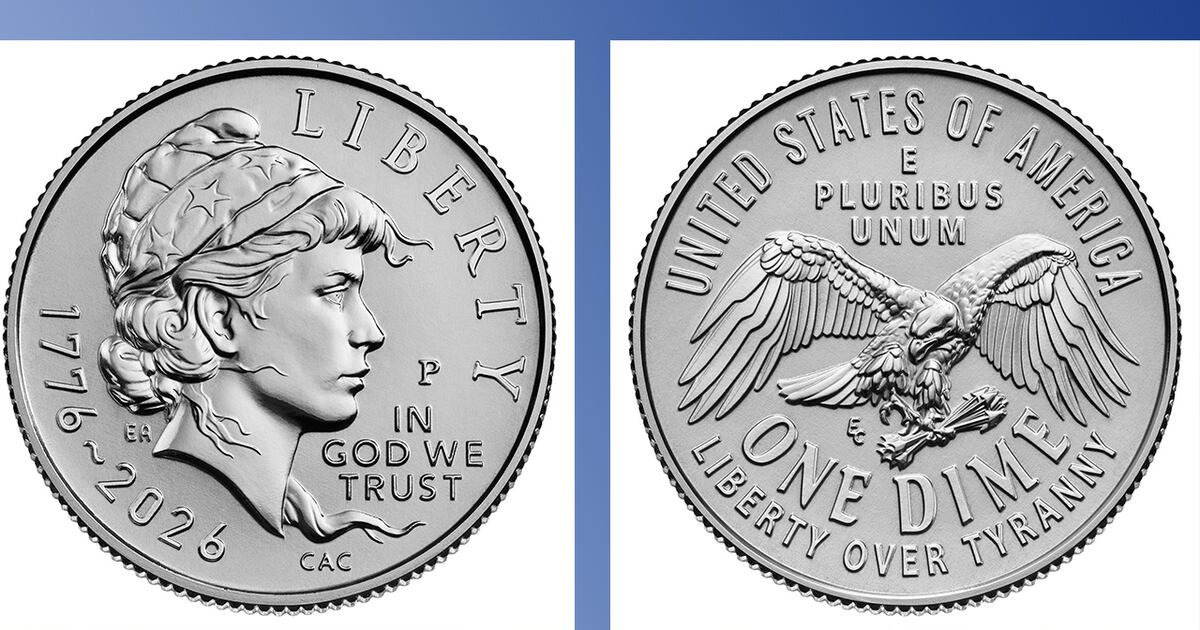
This is especially devastating for "Proof" coins or high-grade modern releases, like the new 1776-2026 Emerging Liberty Dime.
The Fix:
Always handle coins by the edges. Imagine you’re holding a tiny, priceless record. Better yet, invest in a pair of white cotton gloves. They’re cheap, and they provide a physical barrier between your skin and the coin’s surface. If you’re serious about how to store your coin collection, a box of gloves should be the first thing on your desk.
3. Storing Coins in the Attic or Basement
Humidity is the silent killer. Many collectors hide their stash in the basement for security or the attic to keep it out of the way. Both are terrible ideas.
Basements are notoriously damp, leading to rapid oxidation (tarnish) and even mold on paper holders. Attics, on the other hand, suffer from extreme temperature swings that can cause plastic holders to crack or "gas out" more quickly.
The Fix:
Store your collection in a climate-controlled room. The best spot is an interior closet in the main part of your house. Aim for a stable temperature and about 40-50% humidity. If you live in a particularly humid area, throw a few silica gel desiccant packs into your storage bins or safe. These packs will suck the moisture out of the air before it reaches your coins.
4. The "Ziploc Strategy" (Household Containers)
We’ve heard it on the numismatic podcast a dozen times: "I just kept them in a Ziploc bag in the drawer." While Ziplocs are great for sandwiches, they are not engineered for numismatic preservation. Household plastics can contain chemicals that react with silver and copper. Plus, keeping coins loose in a bag allows them to bang against each other, causing "bag marks" and scratches.
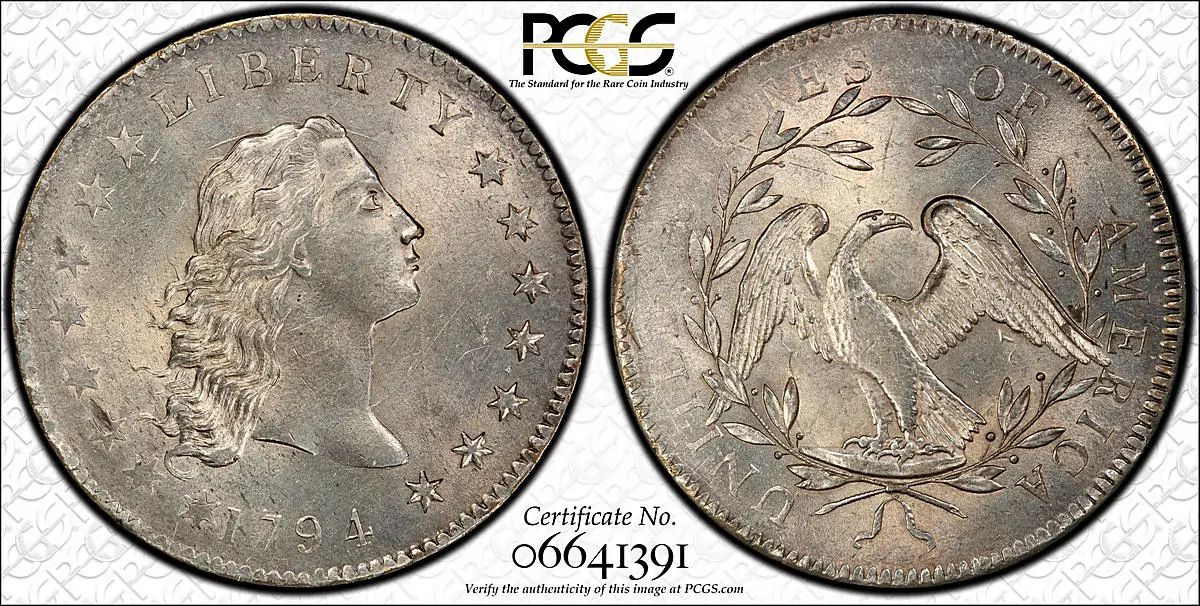
Imagine having a 1794 Flowing Hair silver dollar (one recently sold for $4.5 million!) and letting it rattle around in a Tupperware container. You’d be losing thousands of dollars in value with every shake.
The Fix:
Use products designed specifically for coins. Coin storage for collectors should involve individual 2×2 cardboard holders, plastic capsules (like Air-Tites), or professional grading "slabs." If you have a large quantity of common dates, use rigid plastic coin tubes.
5. Using Rubber Bands and Dangerous Paper
This mistake usually happens with "junk" silver or older rolls. People use rubber bands to hold flips together or wrap rolls in old newspaper.
Rubber bands contain sulfur. As they age, they break down and release sulfur gas, which turns silver coins black and ugly in a very short amount of time. Similarly, old office envelopes and non-archival cardboard contain acids that will "tone" your coins in ways that are usually undesirable and blotchy.
The Fix:
Ditch the rubber bands. If you need to keep flips together, use a dedicated coin storage box or a binder with archival-safe pages. When using cardboard 2x2s, ensure they are from a reputable brand like BCW or Cowens, which use acid-free materials and Mylar windows.
6. Ignoring Security (The "Under the Bed" Method)
It doesn't matter how well-preserved your coins are if they get stolen. Many collectors keep their best pieces in a "hidden" spot like under the bed or in a sock drawer. Professional thieves know these spots.
Furthermore, if your collection is growing, you need to consider fire protection. A house fire can melt plastic holders and fuse your coins into a useless lump of metal.
The Fix:
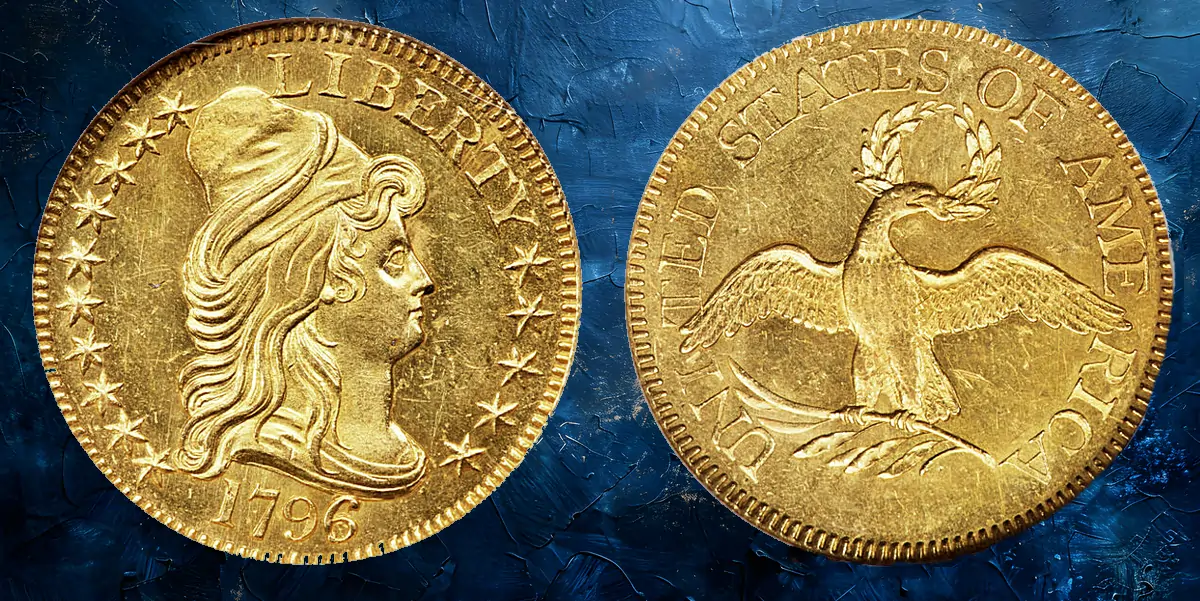
Invest in a high-quality, fire-rated floor safe that is bolted to the ground. For high-value items, like a 1796-5 Half Eagle, consider a safety deposit box at a bank.
Also, don't forget to document! Take photos and keep a spreadsheet of your inventory. This is vital for insurance and for counterfeit coin detection, knowing the exact weight and specific marks on your coins can help you identify them if they are ever recovered after a theft.
7. The "Cleaning" Impulse
Technically, this happens before storage, but it’s a storage-related mistake because collectors often try to "clean up" a coin before putting it in a nice new holder.
Never, ever clean your coins.
Wiping a coin with a cloth creates "hairline" scratches that are visible under a 10x loupe. Using chemicals can strip the original "mint luster." According to ANA grading standards, a cleaned coin will almost always receive a lower grade or a "Details" grade, significantly hurting its resale value.
The Fix:
Leave them as they are. If a coin has loose dirt, you can gently rinse it with distilled water and let it air dry. If it has PVC residue, use pure acetone. Beyond that, let the natural toning happen. Collectors actually pay a premium for "original" surfaces.
Final Thoughts from the Coin Show
Proper storage is the best investment you can make in this hobby. It’s not flashy, but it’s what keeps your 1916 Standing Liberty Quarter looking like it just stepped out of the mint.
Want to learn more about coin collecting tips? Check out our latest episodes on The Coin Show podcast, where we dive deep into the world of numismatics with humor, expert advice, and plenty of stories from the road.
What’s your storage setup look like? Have you ever dealt with a PVC disaster? Let us know in the comments!