

7 Mistakes You’re Making with Coin Storage (and How to Stop PVC Damage)
Welcome back to "The Daily Mint," your go-to spot for everything happening in the world of numismatics. I'm Penny, and today we’re talking about something that keeps collectors up at night: coin storage.
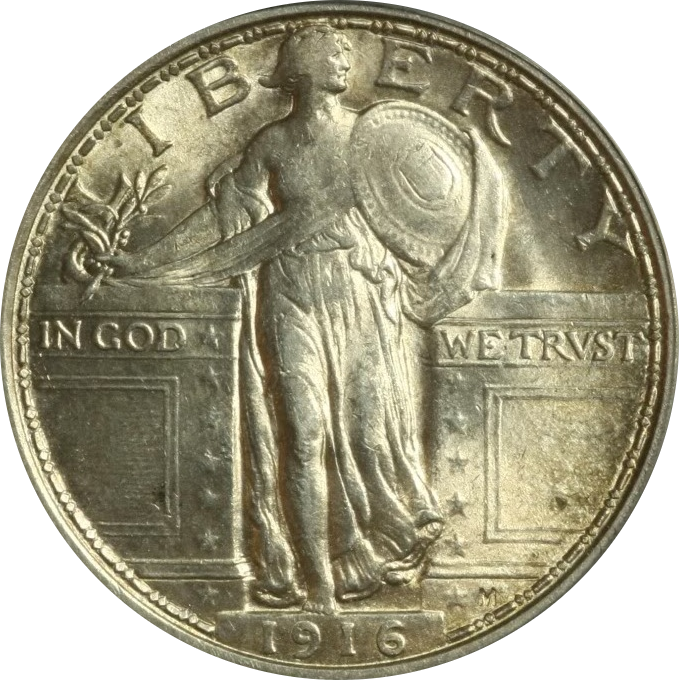
Whether you just started checking your pocket change for rare finds or you’ve been building a serious collection for decades, how you house your coins matters. We’ve seen too many beautiful specimens: from common silver eagles to the legendary 1916 Standing Liberty Quarter: ruined by a simple choice made years ago.
If you want to keep your collection pristine and avoid the dreaded "green slime," here are seven mistakes you might be making right now and how to fix them.
1. Using the "Shower Curtain" Flips (The PVC Trap)
This is the big one. If you’ve ever walked into a coin shop or scrolled through a coin collecting podcast forum, you’ve probably heard people screaming about PVC.
The Mistake: Many older or cheaper "soft" plastic flips and album pages contain Polyvinyl Chloride (PVC). Manufacturers add plasticizers to make the plastic flexible. Over time, those chemicals break down and release an acidic gas. This gas reacts with the metal (especially copper and silver), creating a sticky, green residue.
The Fix: If your holders smell like a new shower curtain or feel oily, throw them away immediately. Only use archival-safe, non-PVC materials. Look for holders made of Mylar or polypropylene. These are "unplasticized" and won't eat your coins. For high-value items, consider getting them professionally graded and slabbed, which provides a sonically sealed, inert environment.
2. The Bare-Handed "Touch and Go"
We get it. You want to feel the weight of history in your palm. But your hands are basically chemical factories.
The Mistake: Your skin produces oils, salts, and acids. When you touch a coin’s surface, you leave a fingerprint that might be invisible now but will "develop" into a dark, permanent stain or even light etching months down the road.
The Fix: Always handle coins by their edges. Even better, wear lint-free cotton gloves. If you're serious about your coin storage for collectors, keep a pair of gloves right next to your storage box. It’s a small habit that saves big value.
3. Storing Coins in the "Danger Zones" (Attics and Basements)
Where you keep your collection is just as important as what you put it in.
The Mistake: Many people hide their collection in the attic or the basement because they are out of the way. Unfortunately, these are the two worst places in a home for numismatics. Attics get way too hot, which accelerates chemical reactions (like PVC breakdown). Basements are notoriously humid, which leads to corrosion and ugly spotting.
The Fix: Store your coins in a "goldilocks" environment: cool, dry, and stable. A climate-controlled room in the main part of your house is best. Aim for a humidity level around 40-50%. If you use a safe, toss in a few silica gel packs to soak up any stray moisture.
4. The "Kitchen Drawer" Mystery Bag
We’ve all seen it: a Ziploc bag full of loose quarters and old pennies.
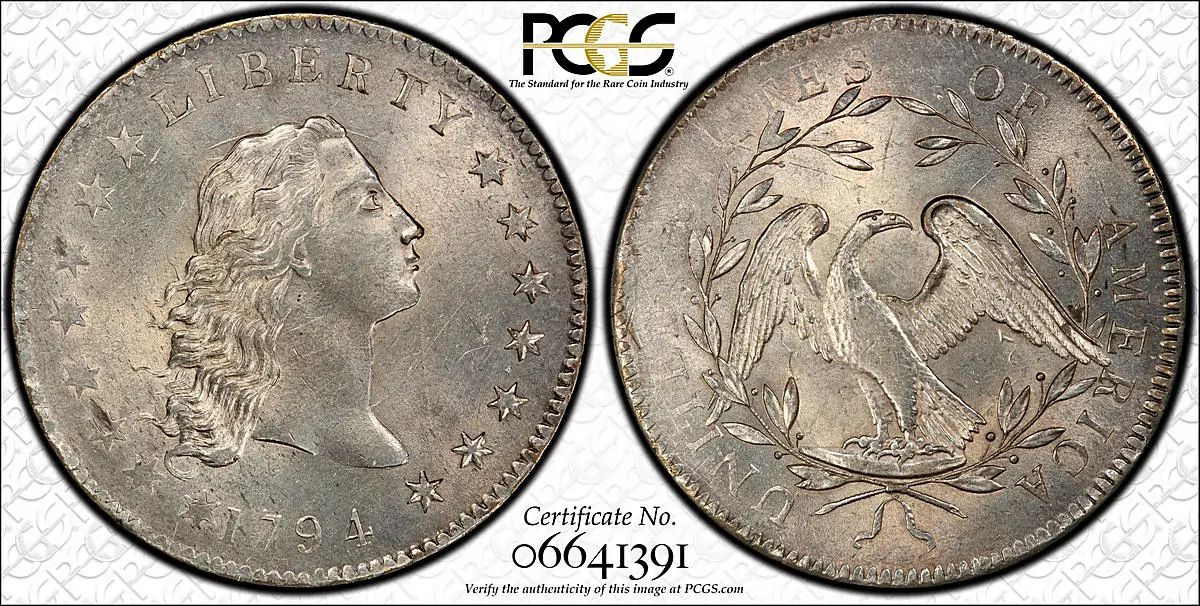
The Mistake: Storing coins loose so they can rub against each other is a recipe for disaster. This leads to "bag marks," scratches, and rim nicks. Even a 1794 Flowing Hair Silver Dollar would lose thousands in value if it spent a week rattling around in a bag with other coins.
The Fix: Every coin worth more than face value deserves its own space. Use 2×2 cardboard flips, plastic capsules, or specialized coin tubes. This prevents "contact marks" and keeps the surfaces looking exactly as they did when they left the mint.
5. Playing "Doctor" with Chemicals
This is the mistake that breaks every numismatist's heart.
The Mistake: You find an old coin that looks a bit dirty or dark, so you decide to "brighten it up" with some silver polish or baking soda. Stop. In the coin world, cleaning is almost always a death sentence for a coin’s value. Harsh chemicals and abrasives remove the "mint luster" and leave microscopic hairlines that any experienced collector (or ANA grading standards expert) will spot in a heartbeat.
The Fix: Leave them alone. Original "patina" or toning is often highly desired by collectors. If a coin genuinely has active PVC damage (that green slime), don't scrub it. Instead, look into professional conservation services or listen to a numismatic podcast for tips on using pure acetone (with extreme caution) to neutralize the residue.
6. The Staple Trap
If you use 2×2 cardboard holders, you’re probably using a stapler.
The Mistake: There are two ways staples ruin coins. First, if you don't use a "flat-clinch" stapler, the bulky staple legs can scratch the coin in the next holder when you slide them into a pocket page. Second, if you aren't careful when removing a coin from a stapled flip, the staple can drag across the coin's surface.
The Fix: Use a flat-clinch stapler to keep the profile low. Better yet, use a pair of pliers to flatten the staples after you're done. When it's time to remove the coin, take the extra ten seconds to carefully pull the staples out rather than trying to rip the cardboard open.
7. The "Set It and Forget It" Mentality
Coins aren't a "fire and forget" investment.
The Mistake: Putting your collection in a safe and not looking at it for ten years is risky. Even in a good environment, things change. A silica packet might get saturated, a flip might fail, or a new spot of toning might appear.
The Fix: Make a date with your collection once or twice a year. Open the holders, check for any "green slime" or new corrosion, and refresh your desiccant packs. This is also a great time to update your inventory. Knowing what you have is half the fun of the hobby!
Bonus: Counterfeit Detection and Storage
While we’re talking about care, remember that proper storage also helps you spot fakes. When you handle your coins regularly (with gloves!), you get used to the "look and feel" of authentic pieces. If you're ever unsure about a new addition to your collection, check out our PCGS guide to grading and counterfeit detection. Keeping your coins in clear, high-quality holders makes it much easier to inspect them for the tell-tale signs of a counterfeit.
How to Stop PVC Damage If You Find It
If you’ve discovered that "green slime" on your coins, don't panic.
- Quarantine: Immediately remove the affected coins from the PVC holders.
- Do Not Scrub: Do not use a toothbrush or cloth.
- Professional Help: For expensive coins, send them to a service like NCS (Numismatic Conservation Services). They specialize in removing PVC residue without damaging the underlying metal.
- Acetone (Advanced): Some collectors use a dip in 100% pure acetone (not nail polish remover!) to dissolve PVC. However, this should only be done if you know exactly what you’re doing, as acetone is highly flammable and requires a glass container and a well-ventilated area.
Proper storage is the difference between a collection that grows in value and one that literally rots away. If you want more coin collecting tips or want to hear us talk about the latest mint releases, be sure to subscribe to the podcast.
What’s the worst storage disaster you’ve ever seen? Drop us a line or head over to a coin show and tell us your story. We’d love to hear it!
Keep collecting, keep it dry, and keep those fingers off the surfaces!