

Are You Making These Common Coin Storage Mistakes? (Stop PVC Damage Now!)
You’ve spent weeks hunting down that perfect addition to your collection. Maybe it’s a crisp silver dollar or a rare early date you finally found at a local coin show. You bring it home, tuck it into a plastic flip, and slide it into a binder. You’re done, right?
Not exactly.
One of the most heartbreaking moments for any collector is opening an album years later only to find their "investment" covered in a sticky, green slime. This isn't just dirt: it’s coin PVC damage, and it’s the silent killer of many great collections.
At The Coin Show, we talk a lot about the thrill of the hunt on our coin collecting podcast, but we also care about keeping your treasures safe. Today, we’re diving into the "Don'ts" of coin storage so you can avoid the mistakes that turn a key date into a cull.
The Villain: What is PVC Damage?
If you’ve ever smelled a brand-new shower curtain, you know the scent of Polyvinyl Chloride (PVC). In the coin world, PVC was used for decades to make plastic coin flips soft and pliable. While that makes them easy to use, it’s a disaster for metal.
Over time, the chemicals (plasticizers) in those soft flips break down. They release an acidic gas that reacts with the copper and silver in your coins. The result? A sticky, green residue that looks like lime Jell-O. If you leave it too long, that goo actually eats into the metal, causing permanent pitting and "environmental damage" that no grading service will ignore.
Pro Tip: If your coin flip is soft, oily, or smells like a pool float, get your coins out of there immediately.
Mistake #1: Choosing Convenience Over Chemistry
It’s tempting to buy the cheapest flips you find online. But those "soft" flips are almost always loaded with PVC.
When looking for coin storage for collectors, you want "archival-safe" materials. The gold standard is Mylar or polypropylene. These materials are stiffer and a bit more "brittle" feeling, but they are chemically inert. They won't react with your coins, even after 20 years on a shelf.
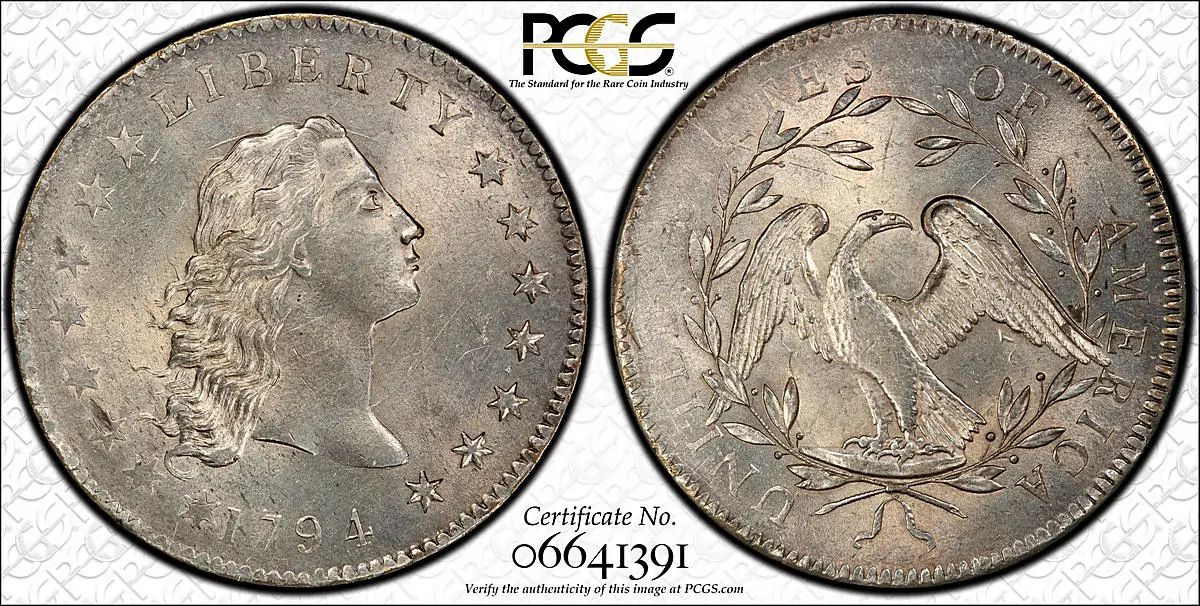
Even the most expensive coins in history, like this 1794 Flowing Hair Dollar, require the highest standards of protection to maintain their multi-million dollar value.
Better Alternatives for Your Collection:
- 2×2 Cardboard Flips: These use a Mylar window. They’re cheap, safe, and allow you to write notes on the cardboard.
- Hard Plastic Capsules: Brands like Air-Tite provide a physical barrier against air and moisture.
- Certified Slabs: Sending your coins to a grading service like PCGS or NGC is the ultimate storage solution. Not only do they authenticate the coin, but the sonic-sealed holders are designed for the long haul.
Mistake #2: The "Garage" Storage Trap
We see it all the time: a collector inherits a great set of coins and stores them in the attic or garage.
Humidity is the enemy. High moisture levels accelerate the chemical reactions that lead to toning (which can be good) and corrosion (which is always bad). Heat can also cause plastic holders to degrade faster, speeding up the release of those nasty PVC gases.
How to store a coin collection properly:
Keep your coins in a "people-friendly" environment. If you’re comfortable, they’re usually comfortable. A cool, dry closet in the main part of your house is much better than a basement. For extra protection, toss a few silica gel packets into your storage box to soak up any stray moisture.
Mistake #3: The "Tidy" Disaster (Cleaning Your Coins)
When a collector sees a bit of PVC green or a dark spot, their first instinct is to grab some polish. Stop right there.
In the world of numismatic podcasts and professional collecting, "cleaning" is a dirty word. Scrubbing a coin with a cloth or using chemical dips removes the original "mint luster." Even if it looks shinier to you, a professional grader will see the hairline scratches and the "unnatural" surface.
Cleaning a rare coin can easily wipe out 50% to 90% of its market value. If you suspect PVC damage, your best bet is a professional conservation service.
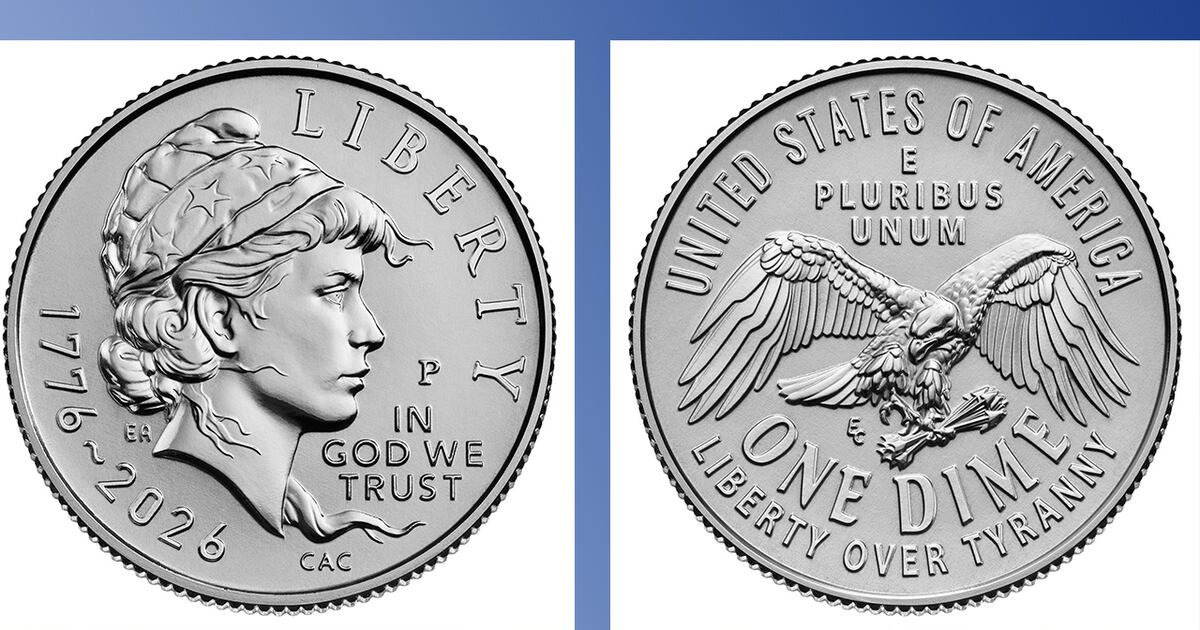
Even modern releases like the 2026 Emerging Liberty Dime deserve proper care from day one to preserve their "MS-70" potential.
Spotlight: The 1916 Standing Liberty Quarter
To understand why storage matters, look no further than the Standing Liberty Quarter 1916. This is a "holy grail" for many collectors. With a tiny mintage of only 52,000 coins, it is the key date of the series.
Because most of these went straight into circulation and were poorly protected, finding one with original surfaces is incredibly difficult. Even a heavily worn 1916 can be worth over $1,000. If you were lucky enough to find one that was stored well and survived in a high grade, you’re looking at tens of thousands of dollars.
Imagine finding a 1916 Standing Liberty Quarter in an old collection, only to realize a $2 PVC flip from the 1970s has eaten a hole in Liberty’s shield. That is a mistake you can't afford to make.
Detection and Standards: Are Your Coins Real?
Good storage is about preservation, but you also need to know what you’re preserving. As you grow your collection, learning ANA grading standards is essential. The American Numismatic Association uses a 70-point scale to determine condition. Understanding the difference between an AU-58 (About Uncirculated) and an MS-62 (Mint State) can mean a difference of hundreds of dollars.
Beyond grading, counterfeit coin detection is a skill every collector should practice. Common tips include:
- The Weight Test: Counterfeits are often made of base metals and won't match the official U.S. Mint weight.
- The Magnet Test: Genuine silver and gold are not magnetic.
- Visual Details: Look for "mushy" lettering or strange textures on the coin's surface.
For a deeper dive into these skills, check out our guide on grading and counterfeit detection.
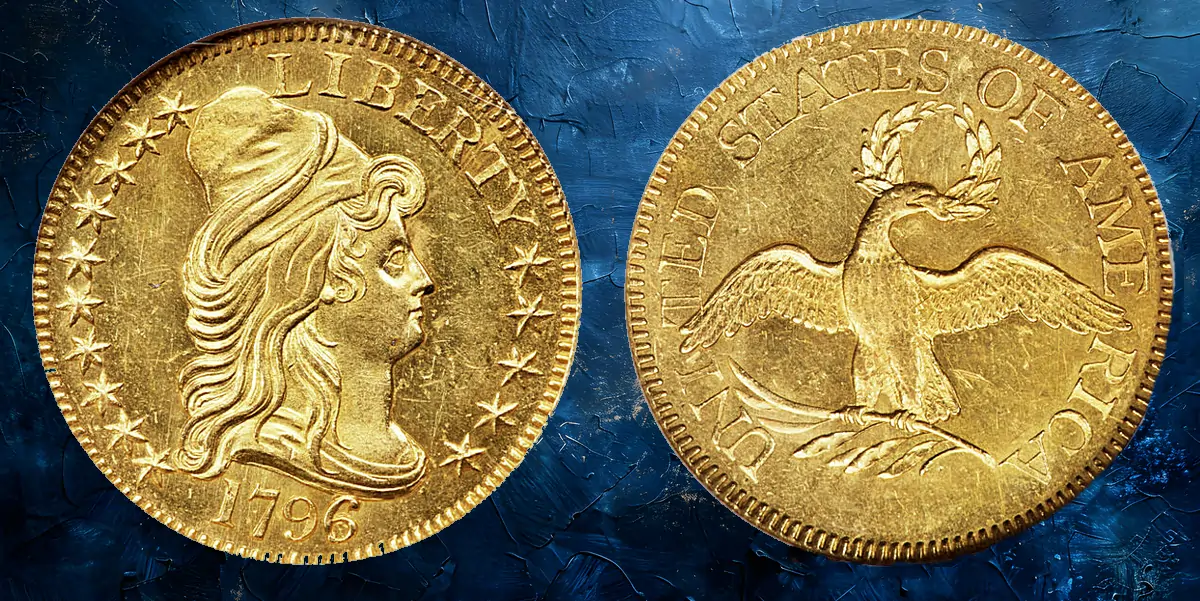
High-value gold coins like this 1796/5 Half Eagle are frequently targeted by counterfeiters. Always buy from reputable sources and use professional grading.
What is a Coin Show? (And Why You Should Go)
If you’re feeling overwhelmed by storage options, there’s no better place to learn than a coin show.
What is a coin show? It’s essentially a massive marketplace where dealers from across the country gather to buy, sell, and trade. But for the smart collector, it’s also an educational goldmine. You can talk to dealers about which flips they use, see the effects of PVC damage in person (usually in the "bargain bins"), and buy high-quality, archival-safe supplies without the shipping costs.
Final Thoughts: Protect Your Legacy
Whether you’re a veteran numismatist or someone just checking their pocket change for "W" mint mark quarters, your collection is a piece of history. Don't let a bad piece of plastic or a humid basement ruin it.
Recap of Coin Collecting Tips for Storage:
- Flip Check: Swap out soft, smelly PVC flips for rigid Mylar ones.
- Climate Control: Keep coins in a cool, dry area. No attics!
- Hands Off: Handle coins by the edges, or use cotton gloves.
- Stay Informed: Listen to a coin collecting podcast to stay updated on the latest mint releases and industry news.
Want to learn more about the weird and wonderful world of coins? Tune in to The Coin Show Podcast for more tips, interviews, and deep dives into the hobby we love.
Happy collecting!