

7 Mistakes You’re Making with Your Coin Storage (and How to Fix PVC Damage Fast)
So, you’ve started a coin collection. Maybe you’ve been listening to our coin collecting podcast and caught the bug, or perhaps you inherited a box of silver dollars that’s been sitting in a closet for thirty years. Either way, you’re now the steward of some history.
But here’s the thing: coins are tougher than they look, yet more fragile than you’d think. Most new collectors (and honestly, plenty of old-timers) are accidentally "killing" their coins with bad storage habits. If you’ve ever seen a coin with a weird green, sticky film on it, you’ve seen the enemy.
In today’s edition of The Daily Mint, we’re breaking down the seven most common storage blunders and showing you exactly how to save your collection from the dreaded PVC damage.
1. The "Softie" Flip Trap (PVC)
The single biggest mistake is using soft, pliable plastic "flips" or album pages. You know the ones, they’re flexible, they feel a bit rubbery, and they often have that distinct "new shower curtain" smell.
That smell is Polyvinyl Chloride (PVC). Manufacturers add chemicals called plasticizers to make the plastic soft. Over time, these chemicals leak out and react with the metal of your coin. It creates a green, acidic slime that literally eats into the surface. If you see green goo, your coin is in the middle of a chemical attack.
The Fix: Switch to non-PVC flips made of Mylar. They are stiffer and more "crinkly," but they are chemically inert. If you aren't sure if a flip is safe, don't use it for long-term storage.
2. Thinking Your Kitchen Drawer is a Safe
We get it. You want to keep your coins handy so you can look at them. But the kitchen or the "junk drawer" is a nightmare for numismatics. Humidity from cooking, stray rubber bands, and even the off-gassing from the wood or paint in the drawer can cause coins to tarnish or spot.
Even worse is the bathroom or a damp basement. High humidity is the catalyst that turns a small chemical problem into a full-blown corrosion disaster.
The Fix: Keep your collection in a climate-controlled room. Avoid the attic (too hot) and the basement (too damp). If you use a safe, toss in a few silica gel packets to eat up any stray moisture.
3. Handling Coins Like Pocket Change
It’s tempting to pick up a beautiful 1916 Standing Liberty Quarter and feel the detail. But your skin is covered in oils, sweat, and microscopic salt. The second you touch the face of a coin, you’ve left a permanent fingerprint that might not show up for years. By the time it does, it’s a dark, ugly mark that can’t be easily removed without hurting the coin’s value.
The Fix: Always handle coins by the edges. Even better, wear lint-free cotton or powder-free nitrile gloves. It might feel a bit "extra," but when you're dealing with high-grade coins, it’s a necessity.
4. The "Clinking" Effect
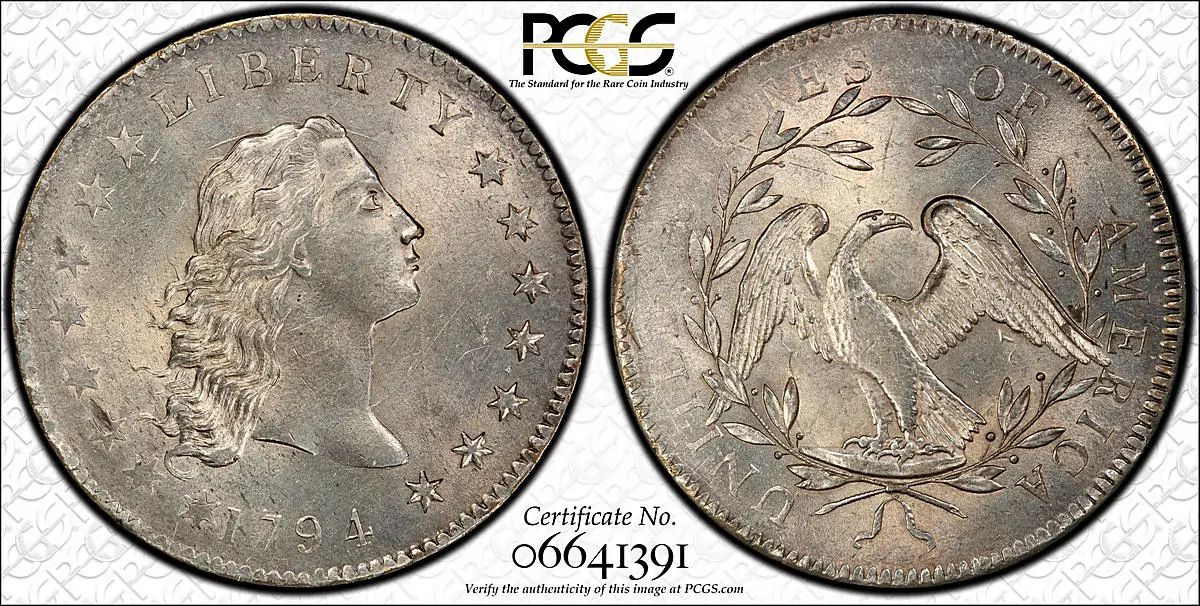
Storing your coins loose in a jar or a bag is fine for modern pocket change, but it’s a death sentence for collector coins. Every time the bag moves, the coins rub against each other. This creates "bag marks" and ruins the "luster" (that beautiful frosty shine) of the coin.
Even in tubes, if the coins aren't packed tightly or separated, they can vibrate and "chatter" against one another.
The Fix: Every coin of value should have its own home. Whether it's a 2×2 cardboard holder, a plastic capsule, or a professional grading slab, physical separation is key to maintaining those ANA grading standards we talk about on the show.
5. Using Household Office Supplies
Never, ever use tape, staples (unless they are flattened), or rubber bands near your coins. Rubber bands contain sulfur, which will turn your silver coins black and ugly in record time. Tape leaves a sticky residue that is a nightmare to remove.
And if you use cardboard 2×2 flips, make sure you use a pair of pliers to flatten the staples. If you don't, the protruding staple on one flip will scratch the coin in the flip next to it when you stack them.
The Fix: Only buy supplies from reputable numismatic dealers. "Acid-free" and "Archival-safe" are the words you’re looking for.
6. The "Cleaning" Sin
This is the hardest one for new collectors to hear: Do not clean your coins.
If you find a dirty coin, leave it dirty. Scrubbing a coin with a cloth, even a soft one, creates "hairlines", micro-scratches that a professional grader will spot in a heartbeat. Using baking soda, vinegar, or commercial jewelry cleaner will "strip" the surface, leaving it looking dull and unnatural. A cleaned coin can lose 50% to 90% of its value instantly.
The Fix: The only exception is "conservation," which involves removing harmful substances (like PVC) without damaging the metal underneath. For everything else, the dirt is part of its history.
7. Ignoring Counterfeits in Your Storage
Storage isn't just about protection; it's about organization. If you're storing fakes alongside real coins, you're risking a lot of headache later. Counterfeit coin detection starts with knowing what you have. If you have a high-value coin that isn't in a reputable slab (like PCGS or NGC), you might be storing a very expensive piece of lead or base metal.
The Fix: Learn the basics of weight and diameter for the coins you collect. Investing in a cheap digital scale and a pair of calipers is a great first step. If a coin feels "off," it probably is.
How to Fix PVC Damage (The Acetone Method)
Okay, so you found some green slime on a coin. Don't panic. If you caught it early, the damage might just be on the surface. Here is how the pros handle it.
The Tools:
- 100% Pure Acetone (Found at hardware stores, not nail polish remover, which has perfumes and oils).
- Glass containers (Acetone melts plastic!).
- Distilled water.
The Process:
- Safety First: Work in a well-ventilated area. No smoking: acetone is incredibly flammable.
- The Soak: Drop the coin into a glass dish filled with pure acetone. Let it sit for a few minutes. You might see the green goo start to dissolve or float away.
- The Rinse: If the residue is stubborn, you can gently swish the coin in the acetone. Do not scrub it with your fingers or a brush.
- The Second Bath: Move the coin to a second, clean glass of acetone to ensure all the dissolved PVC is gone.
- The Final Rinse: Rinse with distilled water and let it air dry on a soft, clean towel.
If the metal underneath the green slime is pitted or grey, the damage is permanent. Acetone removes the goo, but it can’t grow the metal back. This is why prevention is so much cheaper than a cure.
Why Quality Storage Matters
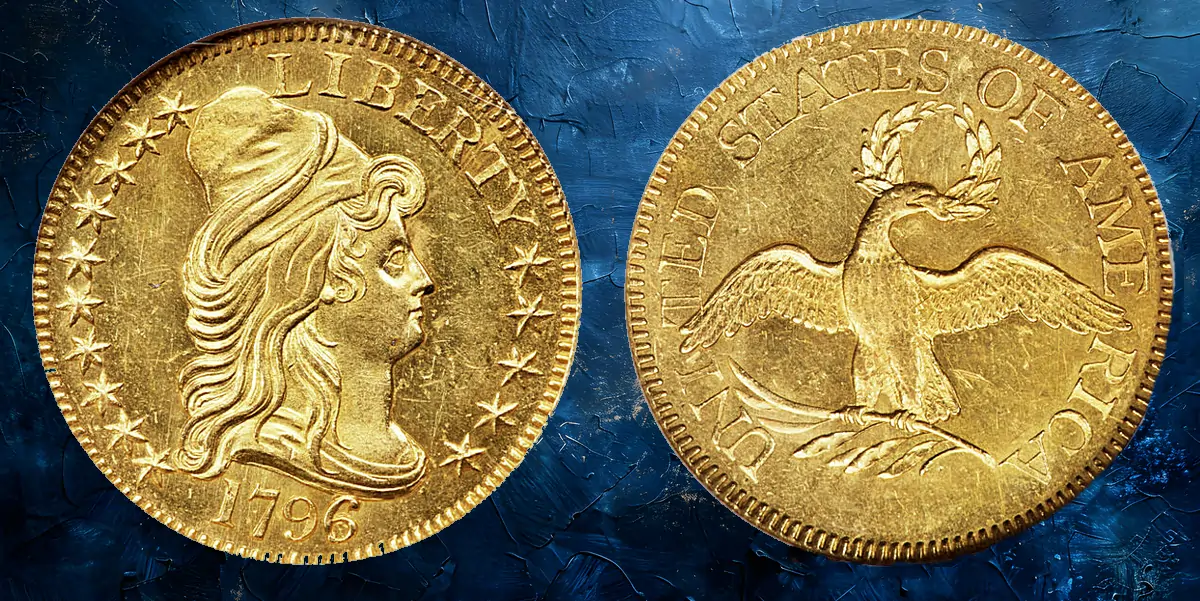
Whether you're holding a 1796-5 Half Eagle or just a handful of Wheat pennies, how you store them tells the story of how much you value the hobby.
When you go to a coin show, you’ll see thousands of coins in different types of holders. The most valuable ones are almost always in rigid plastic slabs. Why? Because those slabs offer the ultimate protection against the mistakes we've listed above. They are airtight, PVC-free, and they protect the coin from physical impact.
Keeping Your Collection Safe
Building a collection is a marathon, not a sprint. Proper storage ensures that when you're ready to pass your coins down or sell them, they look exactly the same as they did the day you bought them.
If you want more coin collecting tips or want to hear us argue about the latest Mint releases, make sure to check out our numismatic podcast. We cover everything from the history of the Standing Liberty Quarter to the latest in counterfeit coin detection.
Remember: Check your flips, dump the PVC, and keep your hands off the faces!
Happy collecting!