

7 Mistakes You’re Making with Your Coin Storage (And How to Fix PVC Damage)
You just bought a beautiful new coin. Maybe it’s a crisp 1916 Standing Liberty Quarter or a classic Silver Eagle. You want to keep it looking perfect forever.
But here is the truth: how you store your coins is just as important as how you buy them. One wrong move can turn a Mint State rarity into a "details" coin with a big fat zero for resale value.
At The Coin Show, we’ve seen it all. From green slime to fingerprint oxidation, storage mistakes are the number one killer of coin collections.
Here are the 7 biggest mistakes you’re making right now and how to fix them before it’s too late.
1. The Fingerprint Fiasco
We get it. You want to feel the history. But touching the face of a coin is a massive mistake. Your skin is covered in oils, sweat, and microscopic grit.
When you touch the surface of a coin, you leave behind an invisible fingerprint. Over time, those oils react with the metal. Months later, you’ll see a permanent, dark fingerprint etched into the luster. This is a nightmare for anyone following ANA grading standards.
The Fix: Always handle coins by the edges. Better yet, wear lint-free cotton or nitrile gloves. If you drop a coin, make sure you are working over a soft towel or a velvet pad so you don’t end up with "rim dings."
2. The "Green Slime" (PVC Damage)
If you use soft, flexible plastic flips that smell like a new shower curtain, you are in trouble. Those flips contain Polyvinyl Chloride (PVC).
PVC uses chemicals called plasticizers to stay soft. Over time, these chemicals break down and leach out. They form a sticky, green, or bluish residue on your coin. This isn't just ugly; it’s an acid that eats into the metal.
The Fix: Use only non-PVC, archival-safe holders. Look for "Mylar" or rigid "unplasticized" flips. They are stiffer and don’t smell, but they won't rot your collection.
3. The Bulk Storage "Clink"
Dumping coins into a jar or a velvet bag might look like pirate treasure, but it’s a recipe for disaster.
When coins rub against each other, they get "bag marks," scratches, and rim nicks. For a common circulated wheat cent, it doesn't matter much. For a key-date coin, every tiny scratch drops the price by hundreds of dollars.
The Fix: Give every coin its own home. Use individual tubes, cardboard 2x2s with Mylar windows, or hard plastic capsules. Physical separation is your best friend.
4. Tape and Rubber Bands: The Silent Killers
Never use tape or rubber bands near your coins. Rubber bands contain sulfur. As they age, they off-gas. This causes rapid, ugly toning or even black corrosion on silver coins.
Tape is even worse. If the adhesive touches the coin or the holder, it can migrate. Trying to get old tape residue off a coin without damaging the surface is nearly impossible for a beginner.
The Fix: Use purpose-made coin boxes designed to hold your 2x2s or slabs. No office supplies allowed.
5. Humidity and the Basement Trap
Coins hate moisture. If you store your collection in a basement, an attic, or a kitchen, you are asking for trouble. High humidity causes "spotting" and accelerated corrosion.
Temperature swings are also bad. They cause metal to expand and contract, which can trap moisture inside "air-tight" holders.
The Fix: Store your coins in a cool, dry, and stable environment. Use silica gel packets or a dehumidifier inside your safe. Aim for 40-50% humidity.
6. The Cardinal Sin: Cleaning
This is the mistake that breaks our hearts at The Coin Show podcast. You see a "dirty" coin and think it needs a polish.
Stop.
Cleaning a coin with a cloth or chemicals removes the original surface. It leaves "hairlines": microscopic scratches that any pro can see from a mile away. A cleaned coin is often worth half as much as an uncleaned one.
The Fix: Leave the "dirt" alone. If a coin has actual active damage (like PVC), you need professional conservation, not a bottle of Windex.
7. Cracking Slabs Without Knowledge
Third-party grading services like PCGS or NGC provide a "slab" that guarantees authenticity and grade. Some collectors hate the "plastic prison" and crack them out to put them in albums.
Unless you are an expert in ANA grading standards, don't do this. You lose the guarantee. You lose the counterfeit coin detection protection. And you might accidentally damage the coin during the process.
The Fix: If you love albums, buy the ones specifically designed to hold slabbed coins.
How to Fix PVC Damage (The Acetone Method)
If you’ve discovered the "green slime" on your coins, don't panic. You can often save them using 100% pure acetone.
Note: This is "chemical conservation," not "cleaning." It removes organic goo without touching the metal.
- Get the right stuff: Buy 100% pure acetone from a hardware store. Do NOT use nail polish remover: it has perfumes and oils that will ruin your coin.
- Use glass: Acetone melts plastic. Use a small glass bowl.
- The Soak: Place the coin in the acetone for a few minutes. You might see the green residue just float away.
- No Rubbing: Never rub the coin. If the goo is stubborn, let it soak longer.
- Rinse: Give it a final dip in fresh, clean acetone, then a rinse in distilled water.
- Air Dry: Let the coin air dry on a clean, soft surface.
Historical Spotlight: The 1916 Standing Liberty Quarter
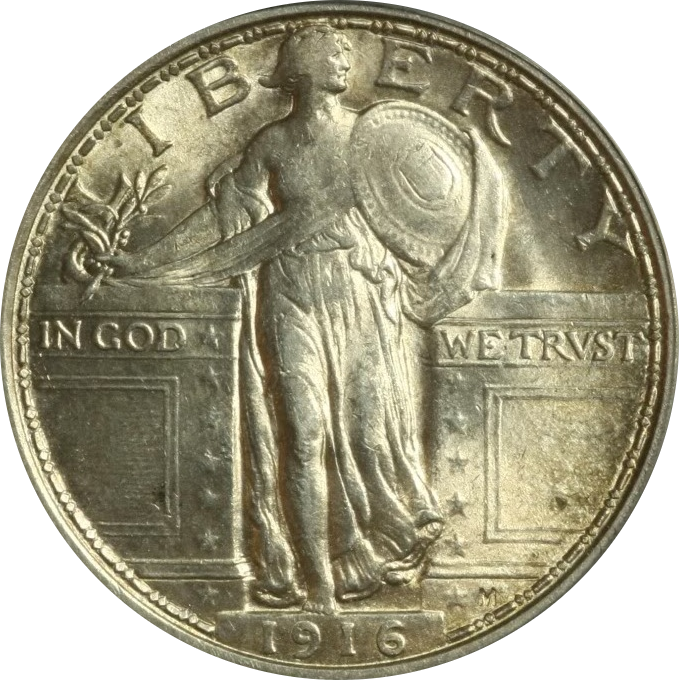
One coin that specifically deserves your storage attention is the Standing Liberty Quarter 1916.
This was the first year of the design. The Mint only made 52,000 of them. Because the design had a high relief and the date was unprotected, they wore down fast. Finding one in high grade is like finding a needle in a haystack.
Because these are so valuable, they are also a target for fakes. This is why knowing about counterfeit coin detection is vital. If you find a 1916 SLQ in a PVC flip, move it immediately. The delicate surfaces of these early 20th-century silver coins are very susceptible to environmental damage.
Why You Should Care About ANA Grading Standards
If you're serious about the hobby, you'll hear people talk about "The ANA." This is the American Numismatic Association. They set the rules for how we describe a coin’s condition.
Understanding these standards helps you realize why storage is so critical. A "Choice Uncirculated" coin (MS65) can drop to "About Uncirculated" (AU58) just from a few light scratches caused by poor storage. That single grade drop can cost you thousands of dollars.
Final Tips for Collectors
If you want to dive deeper into the world of numismatics, the best thing you can do is listen to a coin collecting podcast. We talk about these issues every week on The Coin Show.
Whether you are looking for coin collecting tips or trying to find out what is a coin show in your local area, we’ve got you covered.
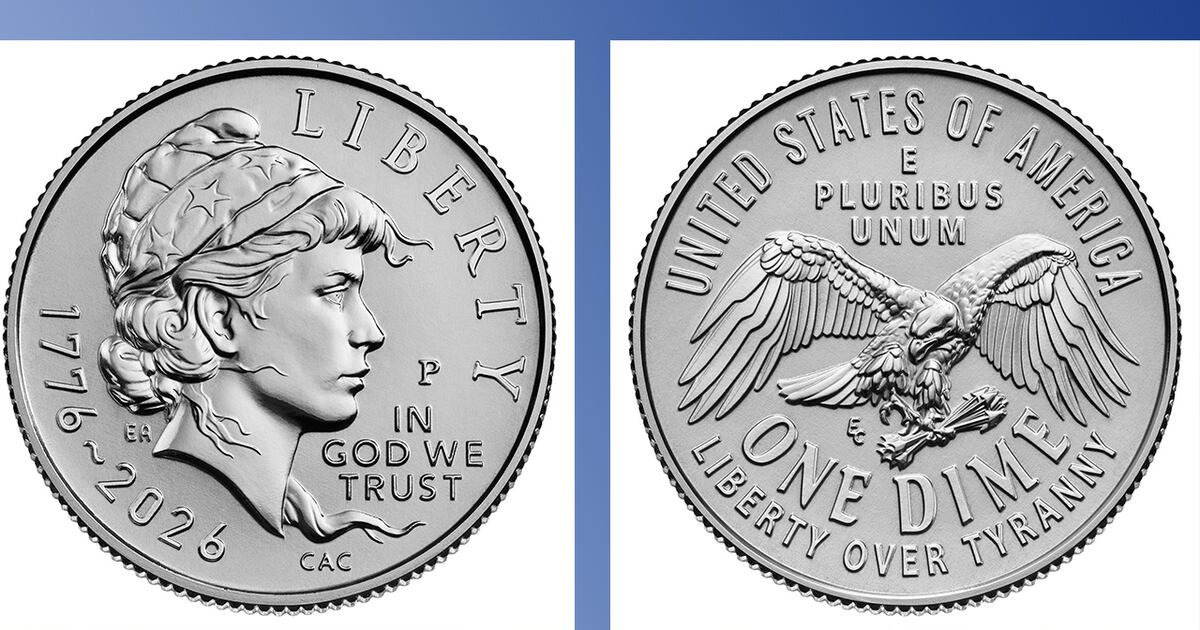
Pro-Tip: If you have a really high-value coin, like the new 1776-2026 Emerging Liberty Dime, keep it in the original Mint packaging or get it graded immediately.
Summary Checklist:
- Flips: Rigid Mylar only. No PVC.
- Handling: Edges only. Use gloves.
- Environment: Cool and dry.
- Cleaning: Just don't do it.
- Acetone: Use only for PVC removal, and use 100% pure glass-bottled acetone.
Proper storage isn't just about keeping things neat. It's about protecting your investment and preserving history for the next generation. Check your flips today( your future self will thank you.)