

Why Everyone Is Talking About the 2026 ‘July 4th’ Privy Mark Quarters (And You Should Too)
If you’ve noticed people at the grocery store staring a little too long at their handful of change lately, don’t worry: they haven't lost their minds. They’re just part of the biggest treasure hunt to hit the United States in decades. We are officially in the year 2026, the Semiquincentennial (try saying that three times fast), and the U.S. Mint has decided to give every American a reason to check their pockets.
The star of the show? The 2026 "July 4th" Privy Mark Quarter.
At The Coin Show, we’ve seen plenty of "limited editions" come and go, but this one is different. It’s a circulation-only rarity that has seasoned collectors and casual pocket-change checkers equally excited. Whether you're a regular listener of our coin collecting podcast or you just stumbled onto "The Daily Mint" looking for answers, here is everything you need to know about why this coin is the talk of the town.
The Hunt for the 'July 4th' Privy Mark
So, what exactly is a "privy mark," and why does it make a quarter worth more than twenty-five cents? Historically, a privy mark was a small symbol used by a mint to identify a specific batch of coins or the person responsible for their production. In 2026, the U.S. Mint is using it to create a modern-day rarity.
The standard 2026 Declaration of Independence quarter features a portrait of Thomas Jefferson on the obverse (the heads side) and a ringing Liberty Bell on the reverse. Most of these coins will be produced by the millions at the Philadelphia and Denver Mints, carrying the usual "P" or "D" mint marks.
However, the "July 4th" variety is a different beast entirely. Here are the specs:
- The Mark: Look for the small inscription "JULY 4th" in the field to the left of Thomas Jefferson’s portrait.
- The Mystery: These coins have no mint mark. The spot where you’d usually see a "P" or "D" is intentionally blank.
- The Rarity: Only 250,000 of these were struck. While that sounds like a lot, compare it to the hundreds of millions of standard quarters being pumped into circulation. It’s a needle in a haystack.
The best part? You can’t buy these in a fancy set from the Mint’s website. They were sent directly to banks and mixed in with regular shipments of coins. The only way to get one is to find it in the wild.
Why the Hype is Real
It’s not just about the low mintage; it’s about the "Quarter Quest." Major grading services like PCGS have even put out bounties: including a $5,000 reward for the earliest confirmed discovery of these privy-marked beauties.
Finding one of these in your laundry money is like finding a golden ticket in a chocolate bar. It’s a reminder that even in a world of digital payments and credit cards, there is still real value and history to be found in physical currency.
Protecting Your Find: Coin Collecting Tips
If you do happen to find one of these 2026 rarities: or any coin that looks a bit special: you need to know how to store coin collection assets properly. Most beginners make the mistake of tossing their finds into any old plastic container or drawer. That is a recipe for disaster.
The Dangers of Coin PVC Damage
One of the most important coin collecting tips we give on our numismatic podcast is to avoid "PVC slime." Many cheap, soft plastic coin flips (those little clear pouches) contain polyvinyl chloride (PVC). Over time, the chemicals in the plastic break down and release an acidic green goo onto the coin.
This coin pvc damage can permanently etch the surface of the metal, destroying the luster and the value. To keep your coins safe, always use:
- Non-PVC Flips: Look for holders made of Mylar or other archival-safe materials.
- Cardboard 2x2s: These are affordable and safe for long-term coin storage for collectors.
- Hard Plastic Capsules: For your absolute best finds, a rigid capsule offers the most protection.
And remember: never clean your coins! Even a gentle scrub with a soft cloth can leave hairline scratches that a professional grader will spot instantly.
History Rhymes: The 1916 Standing Liberty Quarter
This isn’t the first time a low-mintage quarter has caused a stir. To understand the excitement of 2026, we have to look back at the standing liberty quarter 1916.
In late 1916, the Mint introduced a beautiful new design by Hermon A. MacNeil. Because the design wasn't finalized until the very end of the year, only 52,000 of them were struck. Like the 2026 privy quarters, they weren't released with a big announcement; they just started showing up in change in early 1917.
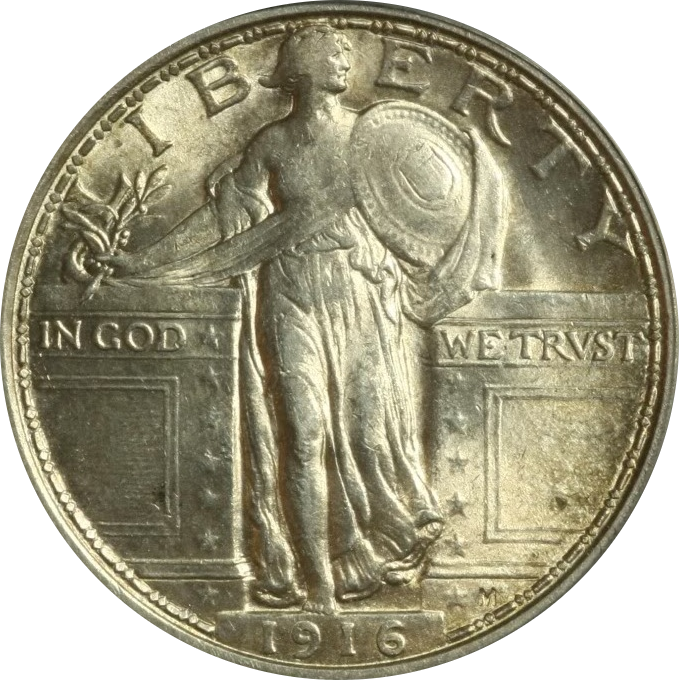
The 1916 Standing Liberty is famous for two things: its incredible rarity and its "racy" design. The original version (Type I) featured Liberty with one breast exposed. The public outcry (or perhaps just a desire for a more practical design) led the Mint to cover her in chain mail by mid-1917.
Today, a 1916 Standing Liberty is a "holy grail" for many collectors. While the 2026 July 4th quarter has a higher mintage than the 1916's 52,000, it follows that same tradition of a "surprise" release that rewards the observant collector.
Getting Serious: Grading and Counterfeits
As the value of these 2026 quarters climbs, so does the risk of fakes. Counterfeit coin detection is a skill that takes years to master, but for modern coins, the best defense is knowing the ANA grading standards. The American Numismatic Association provides guidelines on how to judge the condition of a coin. A "Mint State" (MS) coin with no scratches and full luster will always be worth significantly more than a "Circulated" coin that’s been through a thousand vending machines.
If you think you’ve found a winner, your best bet is to take it to a local expert or visit a show. But what is a coin show exactly? Think of it like a trade show or a flea market specifically for money. Dealers from all over the country set up tables to buy, sell, and trade coins. It’s the perfect place to learn, get an informal appraisal, and meet fellow "coin nerds."
Join the Conversation
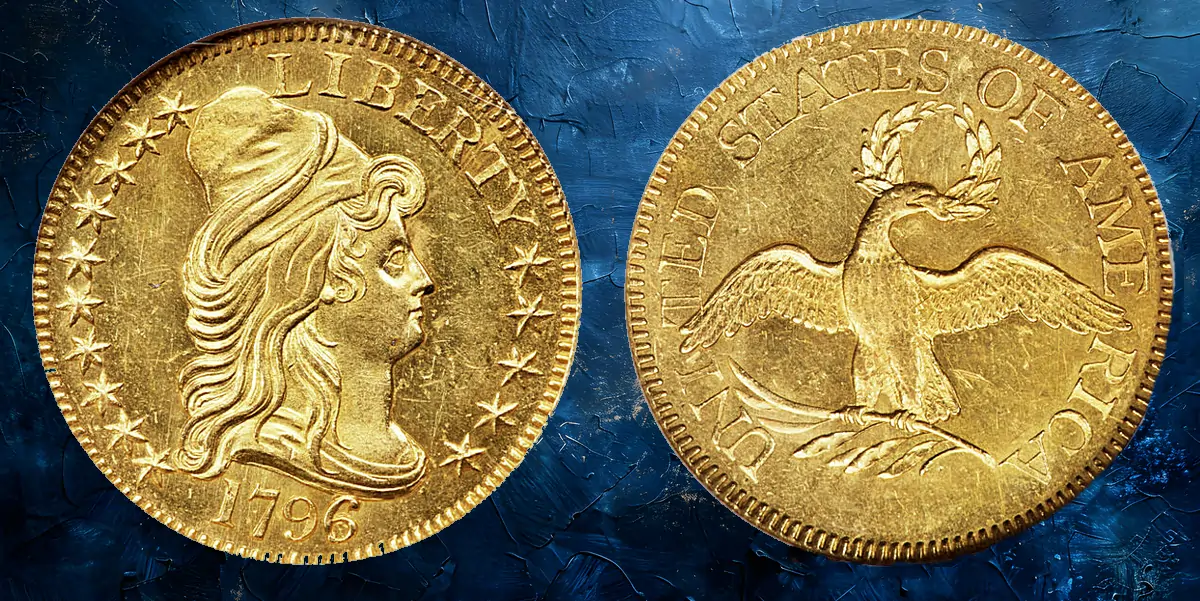
Coin collecting is more than just a hobby; it’s a community. Whether you’re hunting for the latest 2026 privy mark or you’re hunting for 18th-century gold, there is always something new to learn.
At The Coin Show, Matt Dinger and Ernesto Aguilar are constantly diving into these stories. From the technical side of grading to the weird history of "forbidden" gold, our podcast is designed to make the hobby accessible to everyone. We don't just talk about the coins; we talk about the people who collect them and the history they represent.
So, the next time you get a quarter back from the coffee shop, take a second. Check the left side of Jefferson’s face. Look for that "JULY 4th" mark. You might just be holding a piece of history: and a nice little payday: in the palm of your hand.
Stay curious, keep your coins out of PVC, and happy hunting!