
How to Store Your Coin Collection: Stop Coin PVC Damage in 5 Minutes
You’ve spent hours hunting through pocket change, visiting local coin shops, and maybe even scrolling through auctions late at night. You finally have a collection you’re proud of. But there is a silent killer lurking in your desk drawer or safe: PVC.
If you’ve ever opened an old coin album and noticed a sticky, green film on your silver dollars, you’ve met the "green slime." In the world of numismatics, this is the stuff of nightmares.
At The Coin Show, we talk a lot about the thrill of the find on our coin collecting podcast, but we also care about keeping those finds in top shape. Today, we’re going to show you how to identify, stop, and prevent PVC damage in about five minutes.
What is PVC Damage? (The Green Slime)
PVC stands for Polyvinyl Chloride. In its pure form, it’s a hard plastic (think white plumbing pipes). To make it soft and flexible for things like coin flips and album pages, manufacturers add "plasticizers."
Over time, these plasticizers break down. They leach out of the plastic and settle on the surface of your coins. This creates a sticky residue. If left long enough, it reacts with the copper in the coin's alloy to create a bright green, acidic film.
This isn't just a cosmetic issue. The acid actually eats into the metal. Once the surface is etched, the damage is permanent. Even if you clean the green off, the coin's original luster is gone, and its value is slashed.
How to Spot It in 30 Seconds
You don't need a lab kit to find PVC damage. You just need your eyes and a nose.
- The Look: Look for a hazy, milky film or bright green "globs" on the coin. It often starts around the edges or in the deep crevices of the design.
- The Feel: If you touch the holder (not the coin!), does it feel oily or sticky? That’s a bad sign.
- The Smell: Open the container. Does it smell like a new shower curtain or a plastic beach ball? That "new plastic" smell is the scent of leaching PVC.
If you see or smell any of these, it's time for an emergency evacuation.
Safe Storage for Collectors: The Good Stuff
Not all plastic is evil. In fact, modern numismatics relies on high-quality plastics to keep coins safe. When looking for coin storage for collectors, you want to see terms like "PVC-free," "acid-free," or "archival safe."
1. Mylar Flips (The Gold Standard)
Standard "soft" flips are usually PVC. You want the rigid, "crinkly" flips made of Mylar (biaxially-oriented polyethylene terephthalate). They don't have plasticizers, so they won't leach. They are a bit more brittle and have sharp corners, but they are safe for long-term storage.
2. 2×2 Cardboard Holders
These are the classics. They consist of a cardboard square with a Mylar window. You fold them over and staple them. They are cheap, safe, and easy to write on.
Pro-tip: Use a pair of pliers to flatten the staples. This prevents the staples from scratching other coins when you stack them.
3. Hard Plastic Capsules (Airtites)
For your better pieces: like a nice Morgan Dollar or a proof set: use hard acrylic capsules. They are virtually airtight and provide excellent physical protection. They are made of inert plastic that won't react with the metal.
4. Certified Slabs
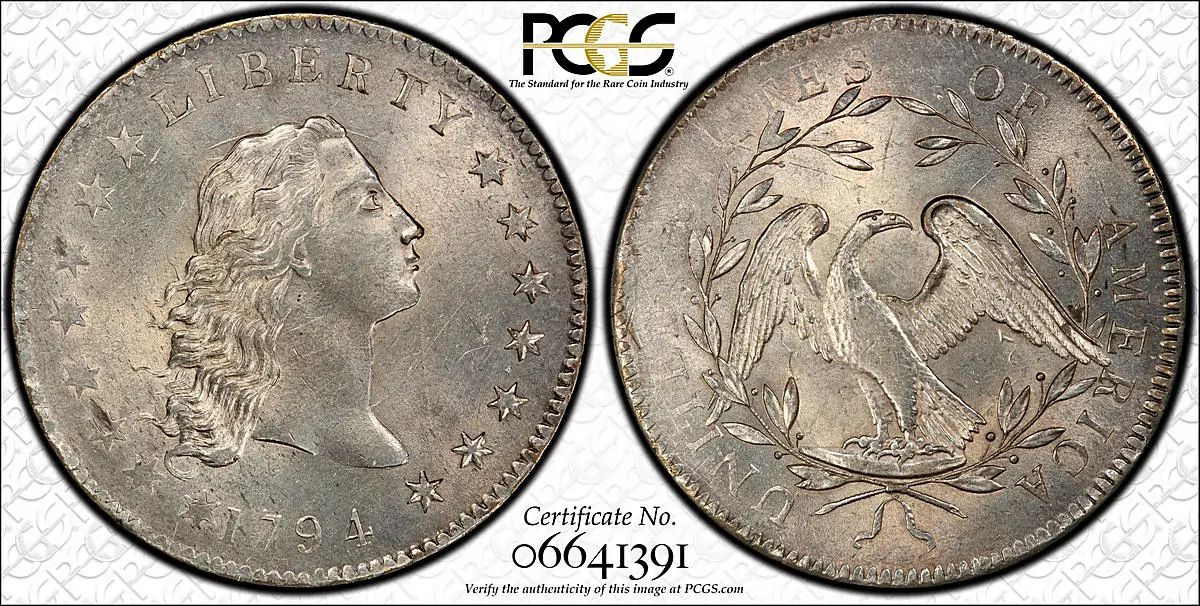
If you have a truly valuable coin, the best storage is a "slab" from a third-party grading service like PCGS or NGC. These are sonically sealed, tamper-evident, and made of the highest-grade archival plastics. Plus, they verify the grade according to ANA grading standards, which is crucial for resale.
The 5-Minute Collection Check
You don't have to overhaul your entire collection in one day. Use this 5-minute routine once a month to keep your "Daily Mint" in check.
- Minute 1-2: Pull out one album or one box of flips.
- Minute 3: Do the "Sniff Test." If it smells like a pool toy, pull it aside.
- Minute 4: Inspect the "Key Dates" or your most valuable coins. Look for any new haze or green spots.
- Minute 5: Swap out any suspicious-looking holders for fresh, Mylar-based flips.
If you find a coin that is already sticky but not yet green, you can often save it with a quick dip in pure acetone (not nail polish remover: it has perfumes). If you aren't comfortable doing this, reach out to a professional or listen to our numismatic podcast for more coin collecting tips on conservation.
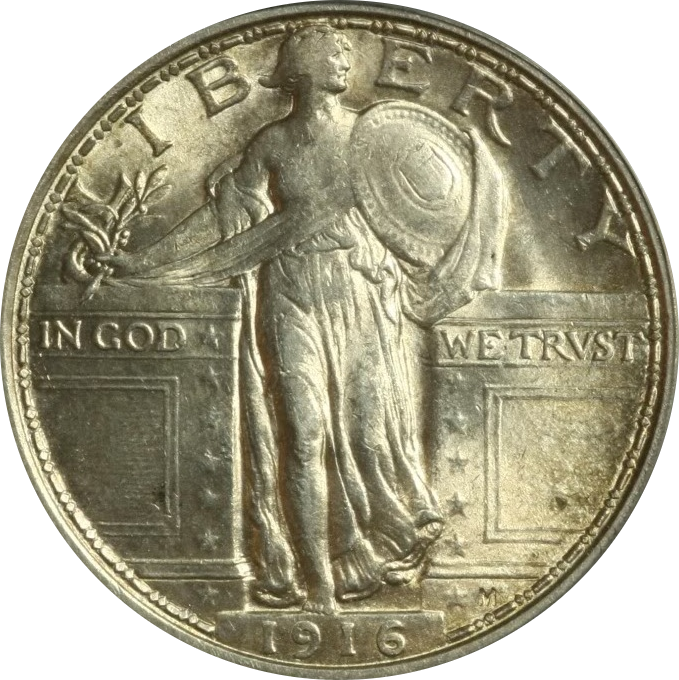
Historical Spotlight: The 1916 Standing Liberty Quarter
To understand why storage matters, let's look at one of the most famous coins in American history: the 1916 Standing Liberty Quarter.
In 1916, the U.S. Mint was in the middle of a "Renaissance of American Coinage." The old Barber designs were being replaced by works of art. Hermon MacNeil designed the Standing Liberty Quarter to represent a nation prepared for peace but ready for war.
The 1916 is a "key date." Only 52,000 were minted. For comparison, the Mint usually makes millions. Because the mintage was so low and they were released late in the year, most were lost to circulation or worn down quickly.
The 1916 design was also controversial. Liberty was depicted with one breast exposed. By 1917, the Mint "covered her up" with a coat of mail.
If you are lucky enough to own a 1916 Standing Liberty Quarter, you aren't just holding a piece of silver; you're holding a 52,000-to-1 rarity. Placing a coin like that in a cheap, PVC flip is like parking a Ferrari in a saltwater swamp. It will be destroyed.
For a coin of this caliber, skip the flips and go straight to a certified slab. Not only does it protect the metal, but it also helps with counterfeit coin detection. Because they are so valuable, fakes are everywhere. A professional slab is your insurance policy.
Where to Learn More
If you’re new to the hobby, you might be wondering, "what is a coin show?" It’s more than just a marketplace; it’s where you can meet experts, see thousands of coins in person, and buy high-quality storage supplies.
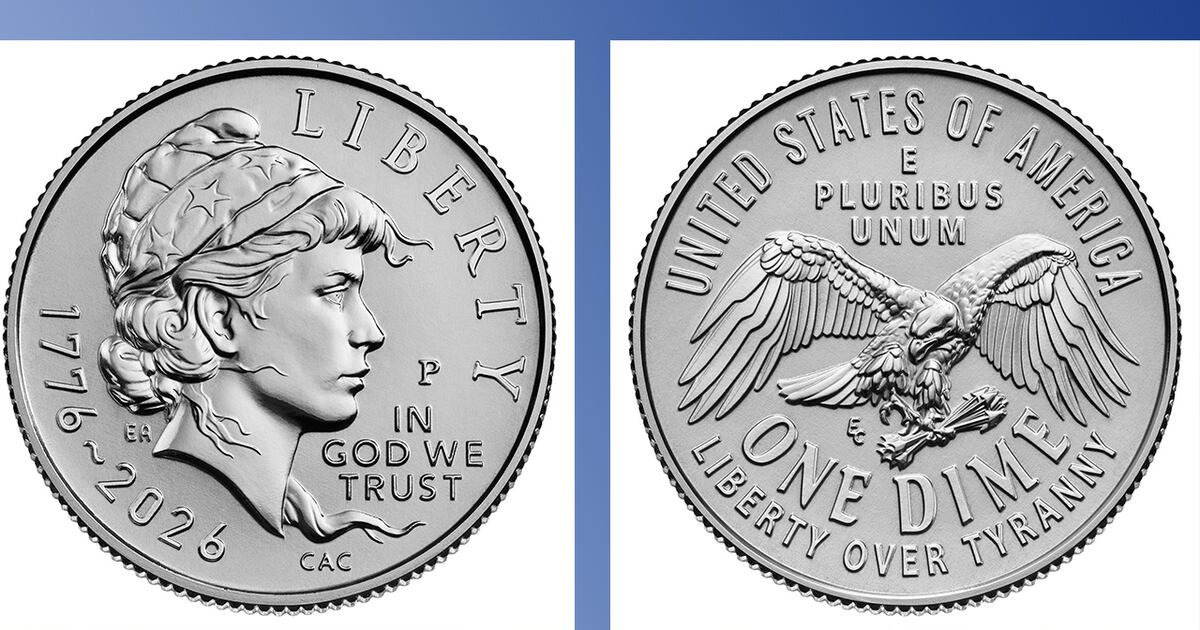
At The Coin Show, we try to make the world of numismatics accessible. Whether you are checking your change for the new 1776-2026 Emerging Liberty Dime or hunting for colonial coppers, the goal is the same: preserve the history.
Summary Checklist for Coin Storage
- Avoid: Soft, oily-feeling flips.
- Avoid: PVC-based album pages (the ones that smell like plastic).
- Use: Mylar 2x2s or "Saflips."
- Use: Hard plastic capsules for high-grade coins.
- Environment: Store your coins in a cool, dry place. Humidity accelerates the chemical reactions that cause PVC damage.
- Inspection: Check your collection at least once a year.
Your coin collection is a tangible link to the past. Don't let a 5-cent plastic holder ruin a 100-year-old piece of history. Take five minutes today to check your coins. You'll thank yourself in a decade.
For more stories, tips, and the latest news in the coin world, subscribe to our podcast and join our community of enthusiasts. Happy hunting!