
How to Choose the Best Coin Storage for Collectors (and Avoid Deadly PVC Damage)
Welcome back to The Daily Mint! Whether you’ve just found a shiny state quarter in your pocket or you’ve been scouring the bourse floor at every local what is a coin show event for years, one thing is certain: you need to keep your coins safe.
Collecting coins isn't just about the hunt; it's about preservation. You wouldn't buy a vintage Ferrari and leave it out in a rainstorm, right? Well, leaving a rare coin in the wrong holder is effectively the same thing. In the world of numismatics, the "rain" is often a chemical called PVC, and it can turn your prize possession into a sticky, green mess.
In this guide, we’re going to break down how to store coin collection setups like a pro, dive into the science of coin pvc damage, and even take a look at some historical gems like the standing liberty quarter 1916.
So, grab your loupe, and let’s get started.
The Silent Killer: Understanding PVC Damage
If you’ve been listening to our coin collecting podcast, you’ve probably heard Matt and the team rail against "green slime." That’s the street name for PVC damage.
PVC, or polyvinyl chloride, is a type of plastic often used in cheap coin flips and album pages. To make the plastic soft and flexible, manufacturers add chemicals called plasticizers. Over time, these plasticizers "leach" out of the plastic and onto the surface of your coin.
How to Spot the "Green Slime"
Identifying coin pvc damage is usually pretty straightforward:
- The Look: It starts as a light, oily film. Eventually, it turns into a sticky, pea-green goo.
- The Smell: If you open an old coin album and it smells like a new shower curtain or a plastic beach ball, that’s the smell of PVC off-gassing.
- The Feel: If the coin holder feels "tacky" or rubbery, it’s likely breaking down.
Can You Fix It?
Yes, but only if you catch it early. The standard coin collecting tips for PVC removal involve a pure acetone bath.
- Use Pure Acetone: Never use nail polish remover; it contains oils and scents that will ruin the coin.
- Short Soak: A 30-second soak in a glass container usually does the trick.
- Rinse & Dry: Rinse with distilled water and let it air dry.
Warning: While acetone removes the goo, it cannot fix "pitting." If the acid has already eaten into the metal, that damage is permanent. This is why choosing the right coin storage for collectors is a "day one" priority.
Choosing the Right Gear: The Storage Hierarchy
Not all storage is created equal. Depending on the value of your coins and how often you want to look at them, you’ll choose different tools.
1. Cardboard 2x2s (The Standard)
These are the bread and butter of the hobby. They consist of a cardboard square with a clear Mylar (polyester) window. You fold them over the coin and staple them shut.
- Pro Tip: Use a "flat-clinch" stapler so the staples don't scratch other coins when you stack them. Also, make sure they are explicitly labeled "PVC-free."
2. Plastic Flips
Flips are clear, double-pocketed pouches. One side holds the coin; the other holds a paper insert with your notes.
- Safe Option: Look for Saflips or other "unplasticized" Mylar flips. They are rigid and a bit brittle, but they won't rot your coins.
- Avoid: Soft, "squishy" flips. These are almost always PVC-heavy.
3. Tubes and Capsules
If you have a roll of silver eagles or a high-value individual coin, hard plastic is the way to go.
- Tubes: Great for bulk storage of circulated coins or bullion.
- Capsules: Brands like Air-Tite provide a vacuum-seal-like fit that protects against air and moisture.
4. Slabs (Professional Grading)
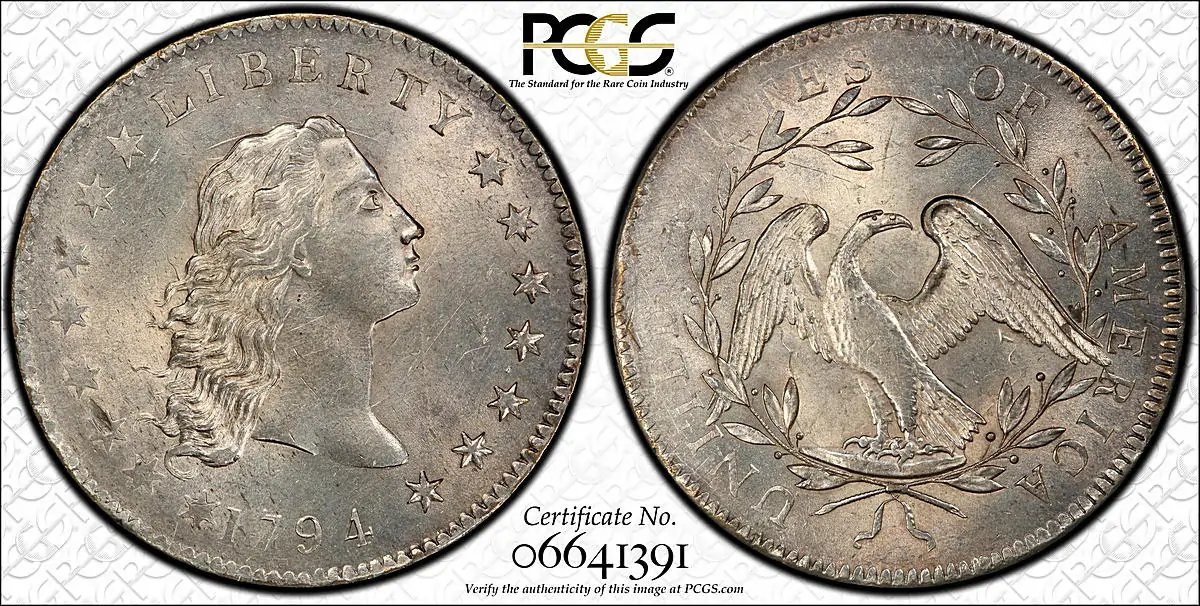
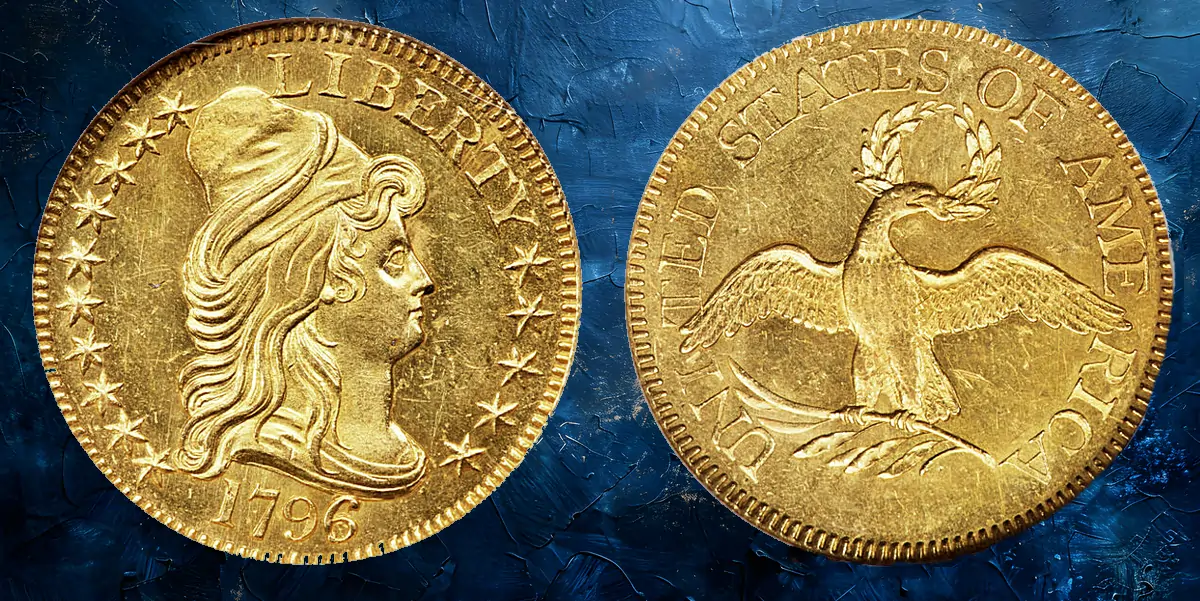
For your most valuable pieces: like that 1796 Half Eagle you’ve been dreaming of: nothing beats a "slab." This is a hard plastic, sonically sealed holder provided by third-party grading services like PCGS or NGC. These services follow strict ana grading standards (based on the 70-point Sheldon scale) to certify the coin’s authenticity and condition.
Environmental Factors: It’s Not Just the Plastic
You could have the best PVC-free holders in the world, but if you store your collection in a damp basement, you’re still in trouble.
- Humidity: This is the enemy of copper and silver. High humidity causes "toning," which can be beautiful, but it can also lead to ugly corrosion. Use silica gel packets in your storage boxes to keep things dry.
- Temperature: Keep your coins in a "climate-controlled" area. Avoid attics or garages where temperatures swing wildly.
- Security: As your collection grows, consider a fireproof safe. For the ultra-high-end stuff, a bank safety deposit box is often the safest bet.
A Lesson in History: The Standing Liberty Quarter 1916
Why do we care so much about storage? Because some coins are simply too rare to lose to neglect. Take the standing liberty quarter 1916, for example.
The Standing Liberty series began in 1916 with a design by Hermon A. MacNeil. However, they didn't start minting them until the very end of December. The result? A tiny mintage of only 52,000 coins.
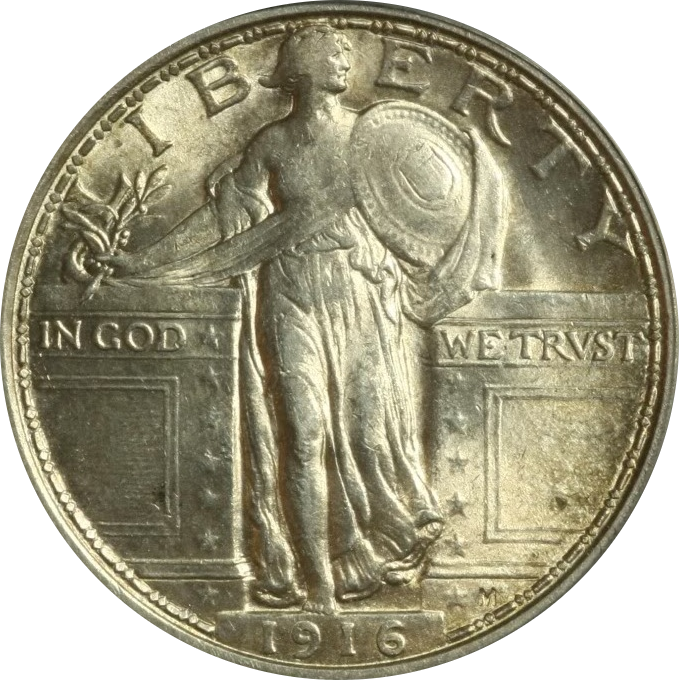
This coin is the "key date" of the series. Because most of them went straight into circulation, finding one in "Mint State" (uncirculated) is incredibly difficult. Collectors often look for the Full Head (FH) designation, which means Liberty's head is sharply struck with all hair details visible. A 1916 Standing Liberty Quarter with a Full Head is a five-figure coin. If that coin were sitting in a PVC holder right now, its value would be ticking away like a time bomb.
Protecting the Future: Modern Releases
Even modern coins need love. The U.S. Mint is constantly innovating, and collectors are always looking for the next big thing. For instance, the upcoming 1776-2026 Emerging Liberty Dime is a major redesign that collectors are already planning to preserve. Whether it's a 100-year-old rarity or a brand-new release, the storage rules remain the same: No PVC, low humidity, and careful handling.

Expert Tips and Final Thoughts
If you’re ever unsure about a coin’s authenticity, especially when buying high-value items like the 1916 quarter, don't forget to study up on counterfeit coin detection. Modern fakes are getting better, and sometimes they are even housed in fake "slabs."
At The Coin Show, we’ve spent years talking to experts and dealers to bring you the best advice in our numismatic podcast. The hobby of coin collecting is a marathon, not a sprint. By taking the time to choose the right holders today, you’re ensuring that your collection will be enjoyed by the next generation of numismatists.
Quick Checklist for Your Collection:
- Audit your albums: Smell them. If they smell like plastic, move your coins out immediately.
- Invest in Mylar: Swap out old flips for archival-safe polyester.
- Check your staples: Ensure they are flat so they don't snag.
- Listen and Learn: Subscribe to a coin collecting podcast to stay updated on the latest storage tech and market trends.
Thanks for reading The Daily Mint. Now, go check those holders( your coins will thank you!)