
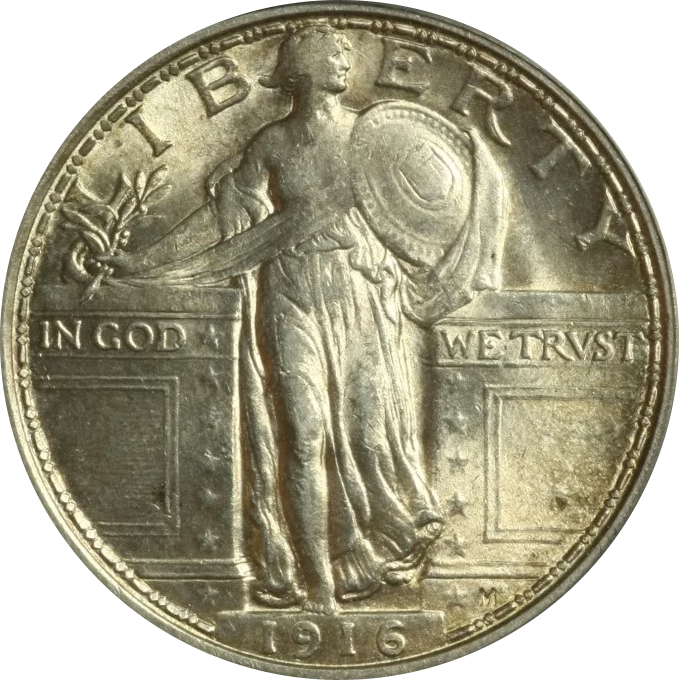
Looking for a 1916 Standing Liberty Quarter? 10 Things You Need to Know
Hey there, fellow coin enthusiasts! If you’ve spent any amount of time hunting through rolls or browsing auction catalogs, you know the name. The 1916 Standing Liberty Quarter is the stuff of legends. It’s the "holy grail" for many who collect 20th-century silver, and for good reason.
Whether you’re a seasoned pro or someone who just started listening to a coin collecting podcast to learn the ropes, owning a 1916 SLQ is a major milestone. But before you drop a few thousand dollars on this silver beauty, there are a few things you really need to understand. From mintage numbers to the dreaded "green slime" of PVC damage, let’s dive into the ten things you need to know about the 1916 Standing Liberty Quarter.
1. The Mintage is Tiny (Really Tiny)
In the world of United States coinage, "low mintage" is a relative term. For some series, a million coins is considered low. For the 1916 Standing Liberty Quarter, we are talking about a different league entirely. Only 52,000 of these coins were struck.
To put that in perspective, compare it to the 1794 Flowing Hair Silver Dollar. While the 1794 dollar is much older and rarer in terms of surviving numbers, the 1916 SLQ holds a similar "prestige" status because it is the undisputed key date of its entire series.
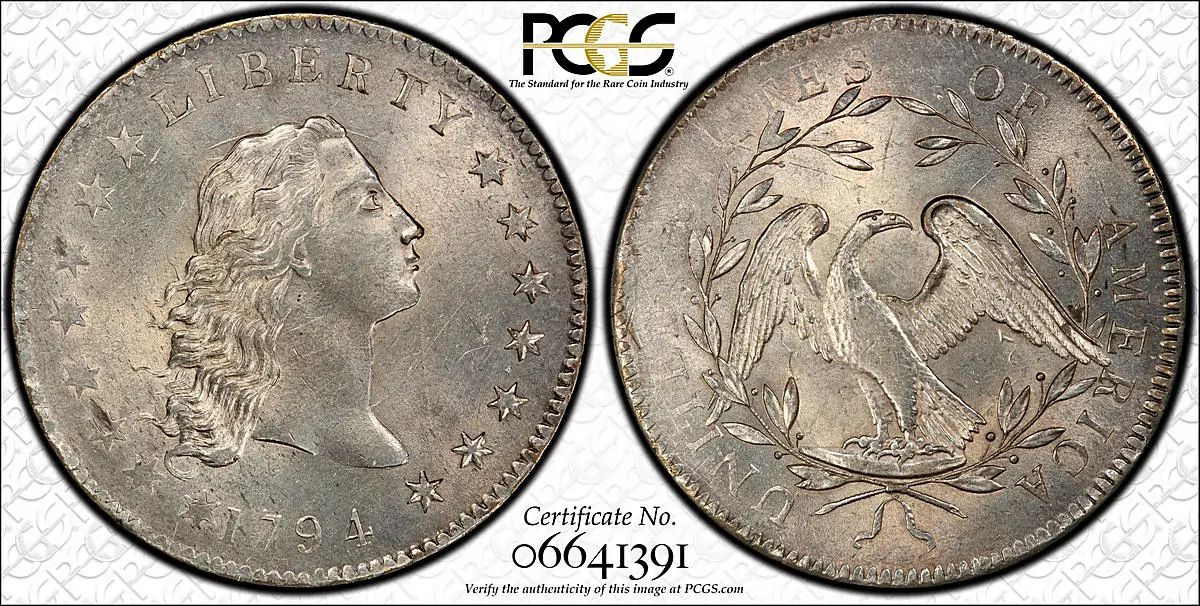
When you see a mintage that low, you aren't just buying a piece of silver; you’re buying one of the scarcest circulating coins the U.S. Mint ever produced.
2. It’s a "Type 1" Design
The Standing Liberty Quarter series went through a major design change early on. The 1916 is a "Type 1." On the reverse (the back of the coin), you’ll notice the eagle is in flight, and there are no stars underneath it.
By mid-1917, the Mint changed the design to "Type 2," which added stars below the eagle and gave Liberty some chain mail armor on her chest (more on that controversy in a second). If you see a 1916 date with stars under the eagle on the back, you’re looking at a fake.
3. The Bare Breast Controversy
You can't talk about the 1916 quarter without mentioning the scandal. Designer Hermon Atkins MacNeil originally depicted Liberty with one breast exposed. In 1916 and early 1917, this was the standard design.
However, public outcry (or perhaps just a desire for a better-striking coin) led the Mint to cover Liberty up with a coat of mail in late 1917. This brief window of the "original" artistic vision makes the 1916 and early 1917 Type 1 quarters highly sought after for their historical and artistic uniqueness.
4. There is No Mint Mark
Every single genuine 1916 Standing Liberty Quarter was struck at the Philadelphia Mint. That means there is no mint mark.
If you find a 1916-dated quarter with a little "D" (Denver) or "S" (San Francisco) next to Liberty’s foot, put your wallet away. The Denver and San Francisco mints didn't start producing these quarters until 1917. A 1916-S or 1916-D is a surefire sign of an altered coin.
5. Watch Out for the "Altered 1917" Trap
This is where counterfeit coin detection becomes vital. Because the 1917 Type 1 quarter is much more common than the 1916, many "shady" individuals over the years have tried to turn a 1917 into a 1916.
They do this by carefully scraping away part of the "7" to make it look like a "6." If you’re looking at a raw (un-slabbed) 1916, take a jeweler's loupe and look closely at the date. Are there tool marks? Does the metal look "disturbed" around the last digit? Does the "6" look a little funky compared to the other numbers? If so, walk away. This is why we always recommend buying key dates that have been certified by PCGS or NGC.
6. The "Full Head" Premium
If you’ve been brushing up on your ana grading standards, you’ve probably heard the term "Full Head" (FH). Because of the way the dies were set, many Standing Liberty Quarters came out with a "soft" strike, meaning Liberty’s face and hair look flat or blurry.
A "Full Head" 1916 SLQ: where you can clearly see the three leaves in her hair and a distinct hairline: is worth a massive premium over a standard strike. Even in lower grades, collectors look for a strong strike.
7. How to Store Your Prize
Let’s say you finally land one. Now you need to know how to store coin collection items properly. You don't want to just toss a 1916 quarter into a junk drawer.
The biggest enemy of silver coins is coin pvc damage. PVC is a chemical used in many cheap, soft plastic flips to make them flexible. Over time, that PVC breaks down and creates a sticky, green acidic film on the coin. If left long enough, it will actually eat into the surface of the silver, ruining its value.
When looking for coin storage for collectors, always insist on "non-PVC" or "inert" Mylar flips. Better yet, keep your high-value coins in hard plastic holders (slabs).
8. Buying at a Coin Show
If you’re looking for a 1916 SLQ, you might wonder, "What is a coin show and is it the best place to buy?" A coin show is basically a convention where dozens (or hundreds) of dealers set up tables to buy and sell.
It’s one of the best places to find a 1916 quarter because you can see the coin in person, compare it to others, and talk to experts. Just remember: even at a show, the same rules apply. Check the date, check for PVC, and check the strike.
9. Modern Context: The 2026 Redesign
While we love the classics, it’s a great time to be a collector of modern coins too. The U.S. Mint is currently preparing for the 250th anniversary of the country with the Semiquincentennial designs. We are even seeing things like the 1776-2026 Emerging Liberty Dime.
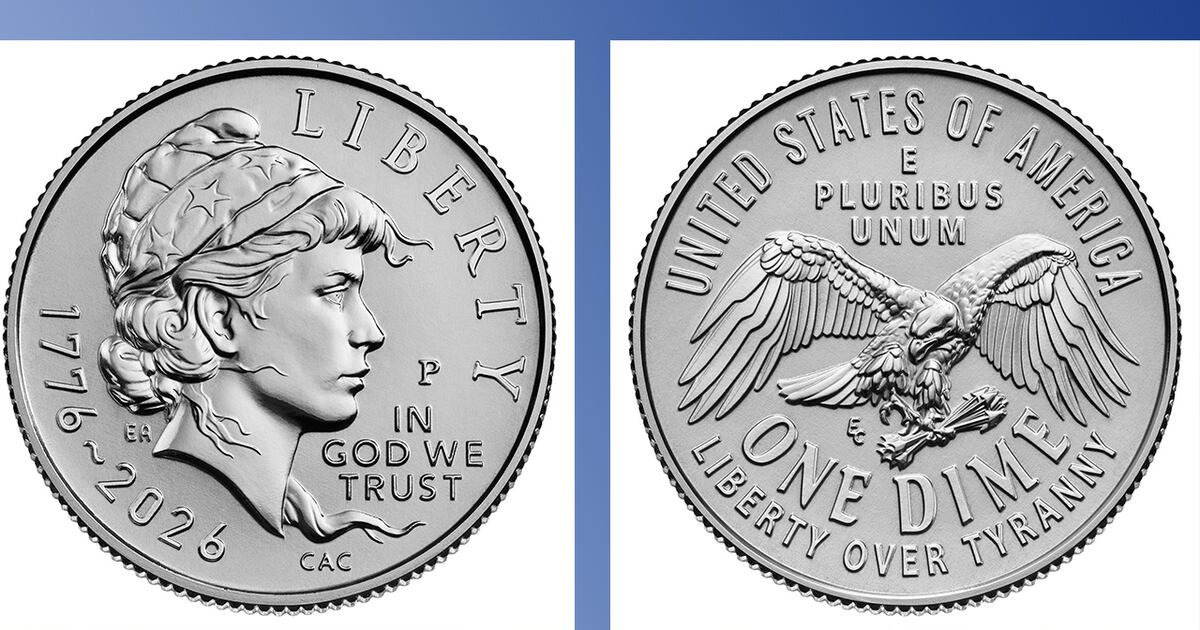
While these modern releases are exciting, they often make people appreciate the "old school" beauty of coins like the 1916 Standing Liberty Quarter even more. The 1916 set the bar for what a beautiful American coin could look like.
10. Listen to the Experts
Finally, one of the best coin collecting tips we can give you is to never stop learning. The hobby is deep, and there’s always something new to discover about die varieties, auction trends, and market values.
That’s why we do what we do here at The Coin Show. If you want to hear more about rare finds, the history of the Mint, or just listen to a couple of guys who love coins talk shop, check out our numismatic podcast. We’ve spent years discussing everything from the 1916 Standing Liberty Quarter to the latest Mint releases, and we’d love to have you join the conversation.
You can find us at www.coinshowradio.com or on your favorite podcast app.
Summary Checklist for the 1916 SLQ:
- Mintage: Only 52,000.
- Design: Type 1 (No stars under the eagle).
- Mint Mark: None (Philly only).
- Authentication: Beware of altered 1917s.
- Storage: Use PVC-free holders.
- Grading: Look for "Full Head" details.
Hunting for a 1916 Standing Liberty Quarter is a thrill. It’s a piece of American history you can hold in your hand. Just take your time, do your research, and keep those coins away from the green slime!
Happy hunting!