
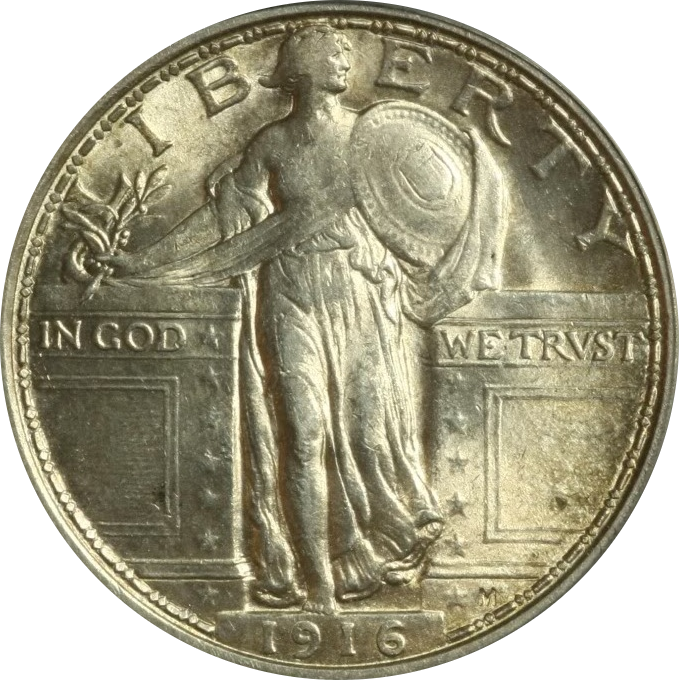
Looking for a 1916 Standing Liberty Quarter? 10 Things You Need to Know
So, you’ve decided to go after the "big one." The 1916 Standing Liberty Quarter (SLQ) is the holy grail for many collectors. It’s beautiful, it’s rare, and it has a bit of a scandalous history. But before you drop a few thousand dollars on a piece of silver, there are some things you really need to know.
At The Coin Show, we talk about "key dates" all the time on our coin collecting podcast. We’ve seen collectors get lucky, and we’ve seen them get burned. Here is your survival guide for the 1916 Standing Liberty Quarter.
1. The Mintage is Tiny
When we say "rare," we mean it. Only 52,000 of these quarters were struck at the Philadelphia Mint. Compare that to the 1917 Type 1, which had over 8 million. Because they were released late in the year (December 1916), most of them didn't hit circulation until 1917. People didn't realize they were rare until it was too late to save them in Mint State.
2. It’s a "Type 1" Design
The Standing Liberty series has two main types. The 1916 is a Type 1. This original design by Hermon MacNeil featured Liberty with an exposed right breast. By 1917, the Mint added a coat of chainmail to her chest. Whether it was because of public outcry or just a design tweak for better striking, the "Bare Breast" 1916 remains a historical curiosity.
3. High-Value Key Dates Matter
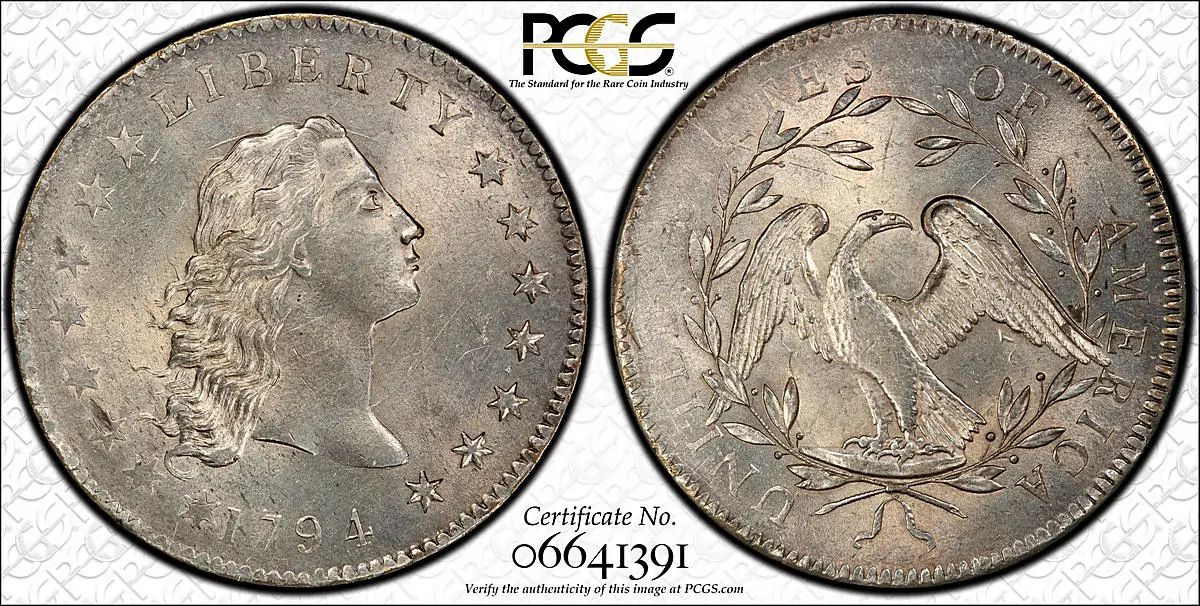
Like the 1794 silver dollar or other legendary numismatic podcast favorites, the 1916 SLQ is a "key date." This means it’s the most important coin in its series. Even in low grades, this coin is worth thousands. If you find one in a junk bin for $5, it’s almost certainly a fake or a heavily altered 1917.
4. Beware the "1917 Trap"
The most common way people get fooled is by "altered dates." Scammers take a common 1917 Type 1 quarter and carefully scrape the "7" to look like a "6."
Pro Tip: Look at the date area under a magnifying glass. If the metal looks "pitted" or "scratched" around the digits, walk away. On a real 1916, the digits should flow naturally into the field.
5. Counterfeit Detection is Crucial
Beyond altered dates, there are full-blown fakes. These are often made of "pot metal" or silver-plated copper.
- Check the Weight: A real SLQ should weigh 6.25 grams.
- Listen to the Ring: If you (carefully) tap a silver coin, it has a high-pitched ring. A fake often sounds like a dull "thud."
- Edge Reeding: The ridges on the side of the coin should be sharp and even. On cast fakes, they often look soft or blurry.
6. Grading Standards (ANA)
Grading a 1916 SLQ is tricky because they were often "softly struck." This means even a brand-new coin might look a little flat in the details.
- Good (G-4): The date is readable, but the figure of Liberty is just an outline.
- Fine (F-12): You can see some lines in the shield and a few folds in her gown.
- AU-58: Almost no wear, with just a tiny bit of "rub" on the high points like Liberty’s knee or the eagle’s breast.
7. The "Full Head" (FH) Designation
If you want the best of the best, look for "Full Head." On the Standing Liberty Quarter, the head of Liberty is one of the highest points and hardest to strike. A "Full Head" coin shows the three distinct lines of her helmet and clear facial features. These command a massive premium over coins with "flat" heads.
8. Coin Care: Say No to PVC!
Once you buy your prize, don’t kill it with bad storage.
Avoid soft plastic flips. These often contain PVC (polyvinyl chloride). Over time, PVC leaks a green, sticky slime onto your coin. This "PVC damage" can eat into the silver and ruin the value forever. Use archival-safe Mylar or polypropylene flips instead. We always stress this in our coin collecting tips: "Safe storage is the cheapest insurance for your collection."
9. Visit a Coin Show
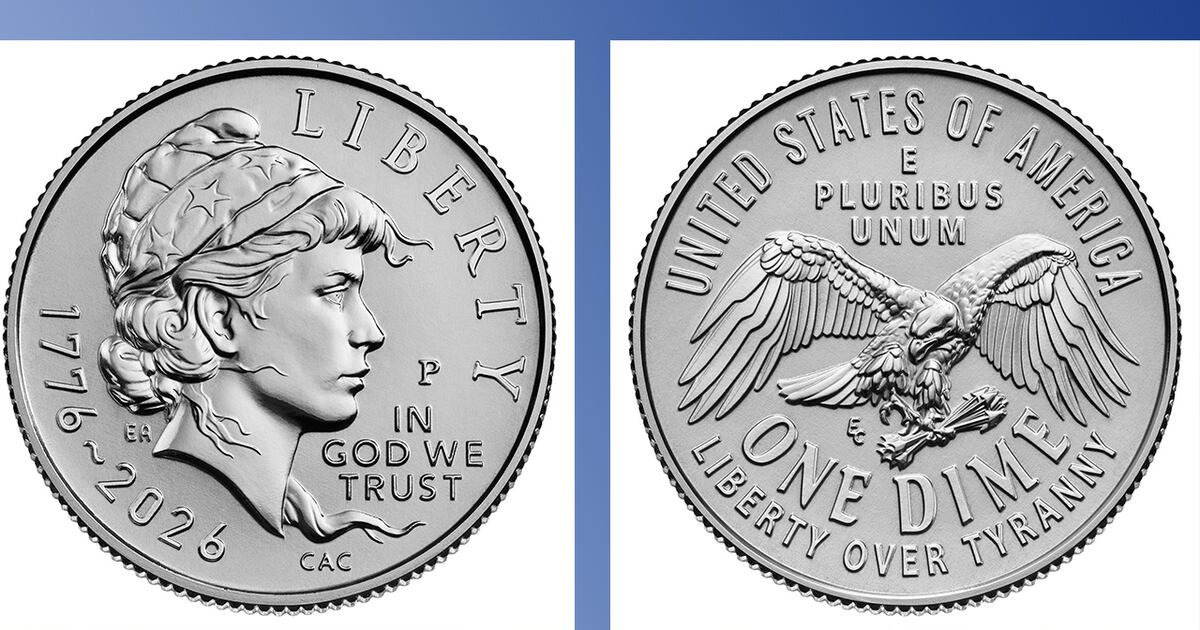
The best way to learn about the 1916 SLQ is to see one in person. What is a coin show? It’s a room full of dealers where you can look at thousands of coins. It's much safer than buying from a random person on a social media marketplace. You can talk to experts, compare different grades, and see modern mint releases alongside the classics.
10. Buy Certified (Slabbed) Coins
For a coin this expensive, don't buy "raw" (loose) unless you are an expert. Stick to coins graded by PCGS or NGC. These "slabs" guarantee the coin is authentic and accurately graded. It makes the coin much easier to sell later, too.
Final Thoughts
The 1916 Standing Liberty Quarter is a masterpiece of American design. It’s a piece of history you can hold in your hand. Just remember to do your homework, avoid the PVC, and always buy from a reputable source.
Want to learn more about rare quarters and the world of numismatics? Check out our latest episodes on The Coin Show podcast or head over to our YouTube channel for more coin storage for collectors tutorials.
Happy hunting!