
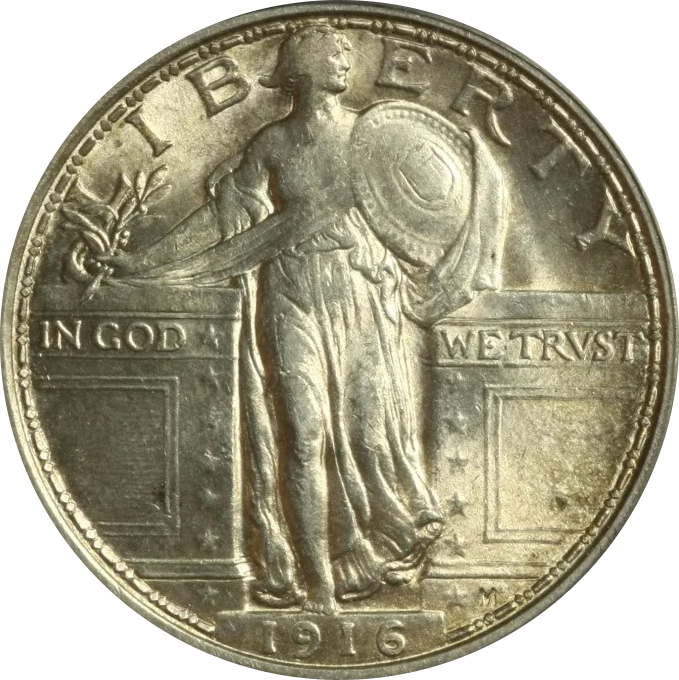
Looking for a 1916 Standing Liberty Quarter? 10 Things You Need to Know
If you have ever spent a weekend at a local coin show or scrolled through the depths of eBay, you have likely heard the legend of the 1916 Standing Liberty Quarter (SLQ). It is the "Holy Grail" for many silver collectors. It is rare, it is beautiful, and it is a piece of American history that almost didn't happen.
As we often discuss on The Coin Show, our numismatic podcast, this coin represents a turning point in U.S. Mint history. It transitioned the nation from the rigid Barber designs into the "Renaissance" era of American coinage. But before you pull the trigger on a high-dollar purchase, you need to know what you are looking at.
Here are 10 things you absolutely need to know about the 1916 Standing Liberty Quarter.
1. The Mintage is Tiny
When it comes to rarity, numbers don't lie. Only 52,000 1916 Standing Liberty Quarters were ever struck. To put that in perspective, in 1917, the Philadelphia mint struck over 8 million "Type 1" quarters.
Because the mintage was so low and they were released late in the year (December 1916), most went straight into circulation. Finding one in any grade is a win. Finding one in "Mint State" is a legendary achievement that requires a very healthy bank account.
2. It’s All About Hermon A. MacNeil’s Art
The Standing Liberty Quarter was designed by sculptor Hermon Atkins MacNeil. The 1916 version is the pure, unfiltered version of his vision. It shows Liberty walking through a gate, holding an olive branch of peace and a shield for defense.
This design was part of a larger push by the U.S. government to make our currency as beautiful as the ancient Greek and Roman coins. While the design was later modified (see point 9), the 1916 original is considered one of the most artistic coins ever produced by the U.S. Mint.
3. 1916 vs. 1917 Type 1 (Know the Difference!)
The 1916 and the early 1917 quarters look almost identical at first glance. They are both "Type 1" designs, meaning Liberty has an exposed breast and there are no stars under the eagle on the reverse.
Because a 1916 is worth thousands and a 1917 is worth much less, you need to look at the diagnostics:
- The Hair: On a genuine 1916, Liberty’s hair has one thin curl that points toward the "B" in LIBERTY. On a 1917, that hair mass is much fuller.
- The Gown: Look at the drapery near her left foot. On the 1916, the gown hugs the foot closely. On the 1917, the fabric pulls away and "curls" up slightly.
- The Head: The 1916 head is very close to the top rim. On the 1917, there is a clearer gap and more defined border detail above her head.
4. Counterfeit Coin Detection is Mandatory
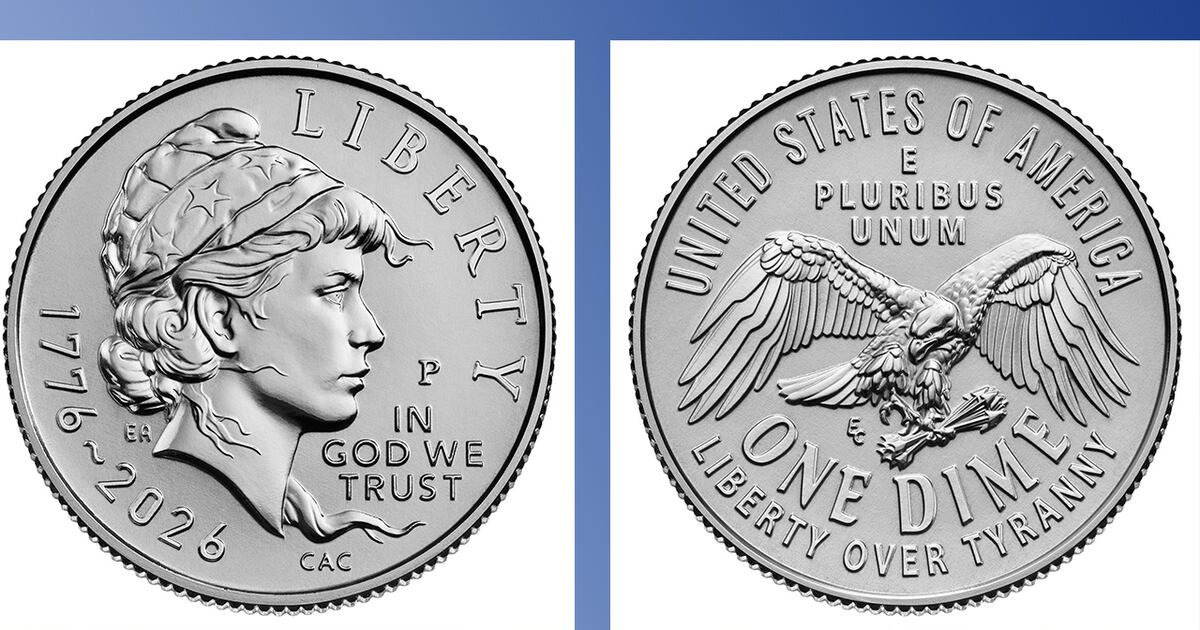
Due to its value, the 1916 SLQ is a prime target for fakes. Most often, people take a 1917 Type 1 and "tool" the date to look like a 1916.
When doing counterfeit coin detection, look for microscopic tool marks around the "6" in the date. If the metal looks moved or scratched only in that one spot, walk away. Another common fake is the "cast" counterfeit, which will look grainy or soapy instead of having that sharp, struck-metal luster.
5. ANA Grading Standards and the "Full Head"
If you want the best of the best, you’ll hear people talk about "Full Head" (FH) coins. According to ANA grading standards, a Full Head Standing Liberty Quarter must show complete detail in Liberty’s hair and the ear must be visible.
Because the 1916 strike was often "mushy" or weak, finding a Full Head 1916 is incredibly difficult. Collectors will pay a massive premium: sometimes double or triple the price: for that extra bit of detail on Liberty’s face.
6. What is a Coin Show and Why Go?
You might be tempted to buy your 1916 SLQ online, but there is nothing like seeing one in person. What is a coin show? It is a massive room filled with dealers, collectors, and millions of dollars in inventory.
At a show, you can compare three or four different 1916 quarters side-by-side. You can see the difference in "eye appeal" and toning. Plus, you can talk to experts who have handled dozens of these coins throughout their careers. It’s the best place to learn.
7. How to Store Your Coin Collection (The Right Way)
Once you spend a few thousand dollars on a 1916 Standing Liberty Quarter, you have to protect it. How to store coin collection assets is a topic we take seriously here.
The most important rule? No PVC.
PVC (polyvinyl chloride) is a chemical found in soft, flexible plastic flips. Over time, it leaks a green, acidic slime onto your coins. This is known as coin PVC damage, and it can eat into the surface of a silver coin, permanently ruining its value. Always use "unplasticized" Mylar flips or hard plastic capsules.
8. Coin Storage for Collectors: The Slab
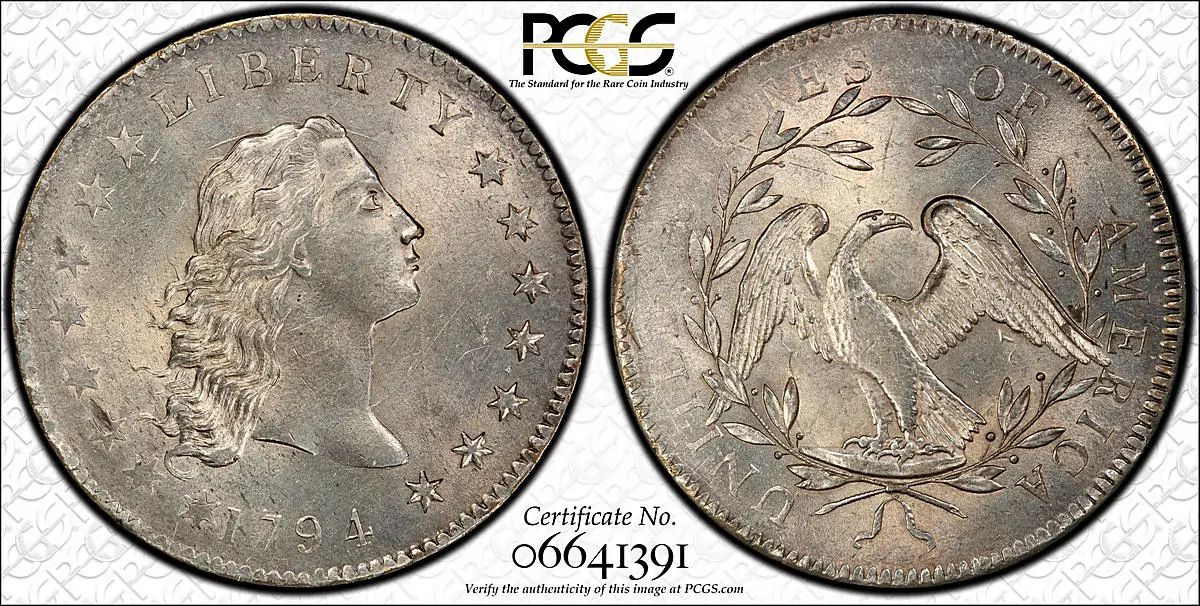
For a coin as valuable as the 1916 SLQ, the best coin storage for collectors is a professional "slab." This is the hard plastic holder provided by grading services like PCGS or NGC.
Not only does it protect the coin from physical damage and the environment, but it also guarantees authenticity. If you are buying a 1916, we strongly recommend only buying one that has already been certified. It takes the guesswork out of the transaction.
9. The "Bare Breast" Scandal of 1917
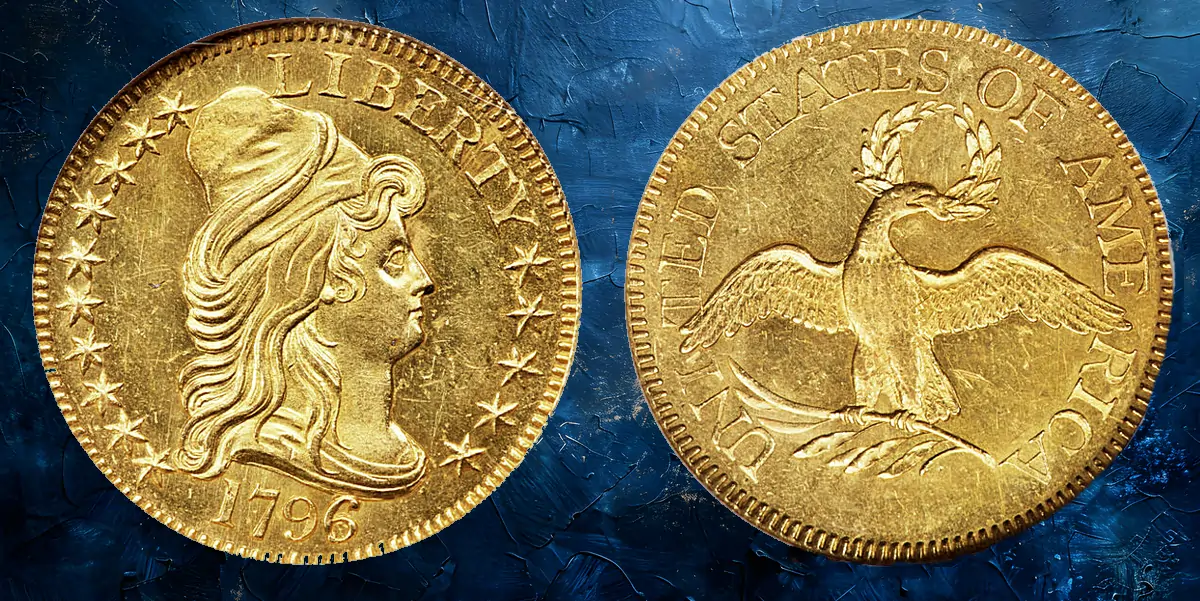
Why did the design change so quickly? Legend says that the public was "outraged" by Liberty's bare breast on the 1916 design. In mid-1917, the Mint changed the design (Type 2) to cover her in chain mail.
While the "outrage" might be a bit of an exaggeration, the design change makes the 1916 even more unique. It is the only year (along with half of 1917) where this specific version of Liberty was minted. It represents a brief moment in time when art and currency collided.
10. Listen to a Coin Collecting Podcast
The world of numismatics moves fast. Prices for key dates like the 1916 SLQ can fluctuate based on auction results and market demand.
One of our best coin collecting tips is to stay educated. Listen to a coin collecting podcast like ours to keep up with the latest news. We cover everything from mint errors to market trends, and we love diving into the history of coins like the Standing Liberty Quarter.
The 1916 Standing Liberty Quarter isn't just a coin; it's a trophy. If you are lucky enough to find one, treat it with respect, store it safely, and enjoy being the caretaker of a piece of American history.