America’s First Quarter: The 1796 Draped Bust and Why Safe Storage Matters
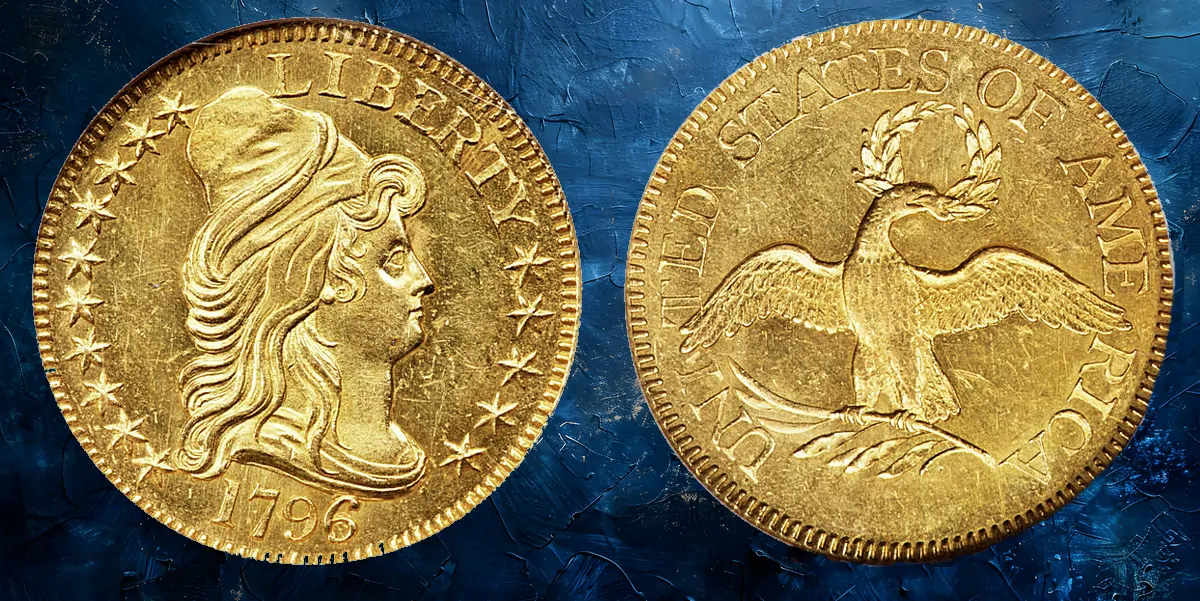
If you have been following the news lately, July 2026 has been a massive month for early American history. As we celebrate our nation’s Semiquincentennial, collectors are looking back at the coins that started it all. At the top of everyone’s list is the legendary 1796 Draped Bust Quarter.
This coin isn't just old. It is a pioneer. It was the first quarter dollar ever struck by the United States Mint. Before 1796, the quarter was a ghost. The Coinage Act of 1792 authorized it, but the Mint took four years to actually produce one. When they finally did, they created a masterpiece that remains one of the most sought-after prizes in the hobby.
The Story of a One-Year Wonder
The 1796 Draped Bust Quarter is what collectors call a "one-year type." This means its specific design was only minted for a single year.
Chief Engraver Robert Scot was the man behind the dies. He worked from a sketch by the famous artist Gilbert Stuart. The legend says the model for Liberty was Ann Willing Bingham, a high-society figure in Philadelphia.
Scot gave us the "Small Eagle" reverse. It features a lean, naturalistic eagle perched within a wreath. It is elegant and understated. However, by the time the Mint resumed quarter production in 1804, they switched to the "Heraldic Eagle" design. This makes the 1796 issue unique in the entire history of American quarters.
With a tiny mintage of just 6,146 pieces, finding one is like finding a needle in a haystack. Only about 600 are known to survive today. Because of this rarity, prices for these coins are staggering. A high-grade example can easily fetch over a million dollars at auction.
The Silent Killer: Coin PVC Damage
Owning a piece of history like a Draped Bust Quarter comes with a big responsibility. You have to keep it safe. Unfortunately, many collectors unknowingly destroy their treasures by using the wrong supplies.
The biggest villain in numismatics is PVC.
Polyvinyl chloride is a plastic used in many soft, flexible coin flips. To make the plastic soft, manufacturers add chemicals called plasticizers. Over time, these chemicals "off-gas." They release acidic vapors that react with the metal of your coins.
You might notice a sticky, green slime forming on the surface. This is coin pvc damage. It is more than just an eyesore. Those acids are literally eating into the metal. If left long enough, the damage becomes permanent. It etches the surface and kills the coin's value.
At The Coin Show, we have a strict no-PVC policy. We always recommend using rigid Mylar flips or archival-quality holders. If you pick up a flip and it feels greasy, smells like a shower curtain, or bends too easily, throw it away. Your collection deserves better.
Pro Coin Collecting Tips: How to Store Your Collection
Knowing how to store coin collection properly is the most important skill you can learn. It isn't just about avoiding PVC. You also have to fight the elements: humidity, heat, and air.
Here are a few essential coin storage for collectors rules to live by:
- Keep it Dry: Humidity is the enemy. It fuels the chemical reactions that cause toning and corrosion. Use silica gel packs in your safe or storage boxes to soak up moisture.
- Stable Temperatures: Don't store your coins in the attic or the garage. Big swings in temperature cause condensation. Keep them in a cool, climate-controlled part of your home.
- Inert Materials: Only use holders made from polyethylene, polypropylene, or Mylar. These are "inert," meaning they won't react with the coins.
- Hands Off: Never touch the surfaces of your coins. The oils from your skin are acidic and will leave permanent fingerprints. Always hold coins by the edges.
If you have high-value coins, the best storage is often a "slab." Professional grading services like PCGS or NGC provide sonic-sealed, nearly airtight plastic cases. These offer the best physical and environmental protection available.
Mastering Counterfeit Coin Detection
As coins like the 1796 Quarter rise in value, the number of fakes increases too. Counterfeit coin detection is something every serious collector should study.
Modern fakes can be very convincing. Scammers often use "transfer dies" to replicate the exact look of a genuine coin. However, they almost always leave tiny clues.
Check the weight first. Genuine coins follow strict Mint specifications. If a silver quarter weighs significantly less than it should, it’s a red flag. Look at the edges. Are the reeds crisp, or do they look rounded and "mushy"? Look for "casting bubbles" or tiny pits on the surface that shouldn't be there.
The best defense against fakes is education. Familiarize yourself with ana grading standards. The American Numismatic Association provides a 70-point scale that helps you judge a coin’s condition and authenticity. By learning what a genuine "Mint State" coin looks like, you’ll be much quicker to spot the anomalies of a forgery.
Another Key Date: The Standing Liberty Quarter 1916
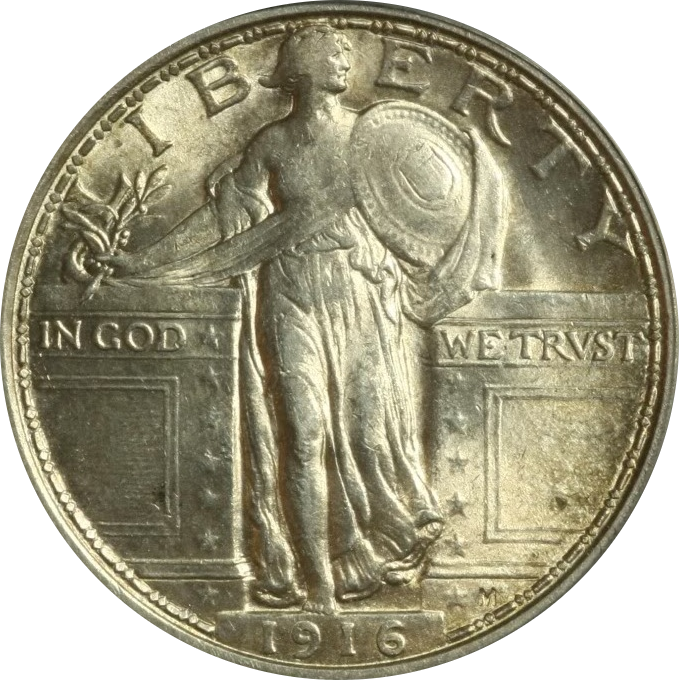
The 1796 Draped Bust isn't the only "first-year" quarter that drives collectors crazy. Flash forward to the 20th century, and you'll find the standing liberty quarter 1916.
This is one of the most famous "key dates" in American history. Like the 1796 issue, the 1916 mintage was very low: only 52,000 coins were struck. It was the first year of the new design by Hermon MacNeil.
Most people are familiar with the later Standing Liberty Quarters, but the 1916 is special. It features the "Type 1" design where Liberty’s right breast is exposed. This caused a bit of a scandal at the time, and the design was modified in 1917. Because so few were made and so many were lost to circulation, a 1916 SLQ is a major find for any collector.
Why You Should Visit a Coin Show
Reading about coins is great, but seeing them in person is better. If you haven't been to one yet, you might be wondering: what is a coin show?
A coin show is an organized event where numismatists: collectors, dealers, and grading services: meet in person to buy, sell, and trade. It’s a giant marketplace where you can hold history in your hands. You’ll find rows of tables filled with everything from common wheat pennies to six-figure rarities.
Why should you attend?
- Education: You can see thousands of coins in a single day. This helps you calibrate your eyes to ANA grading standards.
- Networking: You’ll meet other collectors and reputable dealers who can help you find that one specific piece you’ve been hunting.
- Authentication: Many shows have grading services on-site. You can submit your coins for professional authentication right there.
- Supplies: It’s the perfect place to buy safe, PVC-free storage supplies.
Join the Conversation at The Coin Show
Numismatics is a journey. Whether you are hunting for a 1796 Draped Bust or just filling a folder with modern coins, there is always something new to learn.
If you want to dive deeper into the world of coins, check out our coin collecting podcast. We talk about everything from historical mysteries to the latest market trends. We also have a numismatic podcast series on YouTube where we show you the coins we're discussing in high-definition video.
Our goal is to make coin collecting fun, accessible, and safe for everyone. From spotting fakes to understanding the history of the US Mint, we've got you covered.
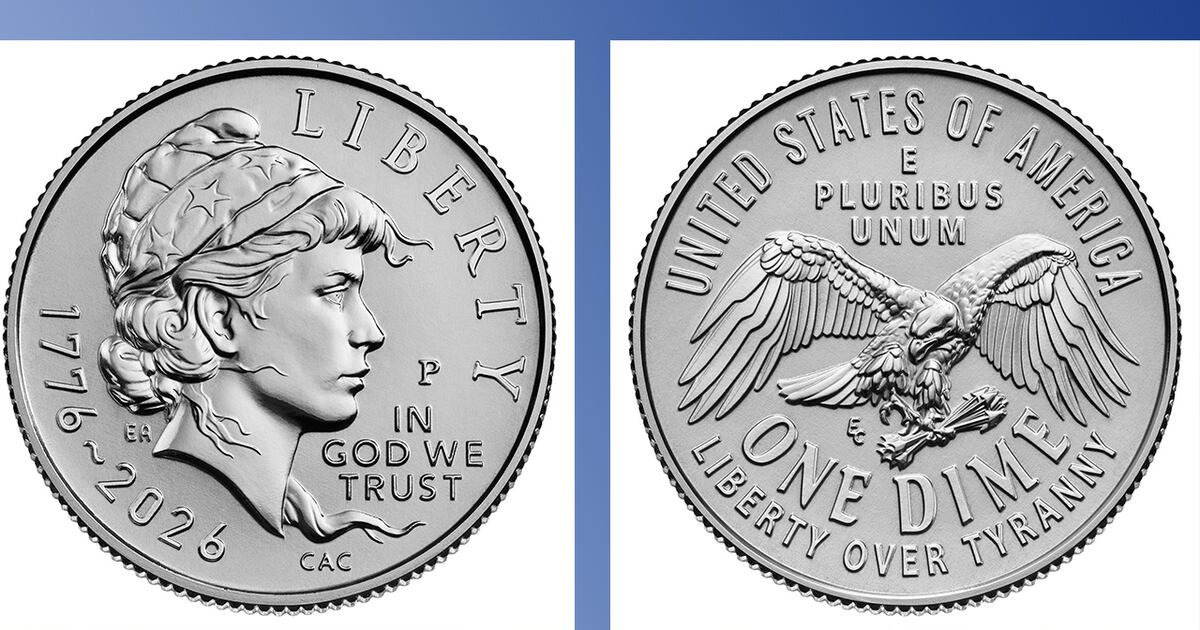
The 1796 Quarter reminds us that our nation's money is more than just currency. It is art. It is history. And with the right care, it will last for another 250 years.
Stay curious, keep your coins dry, and happy hunting!