
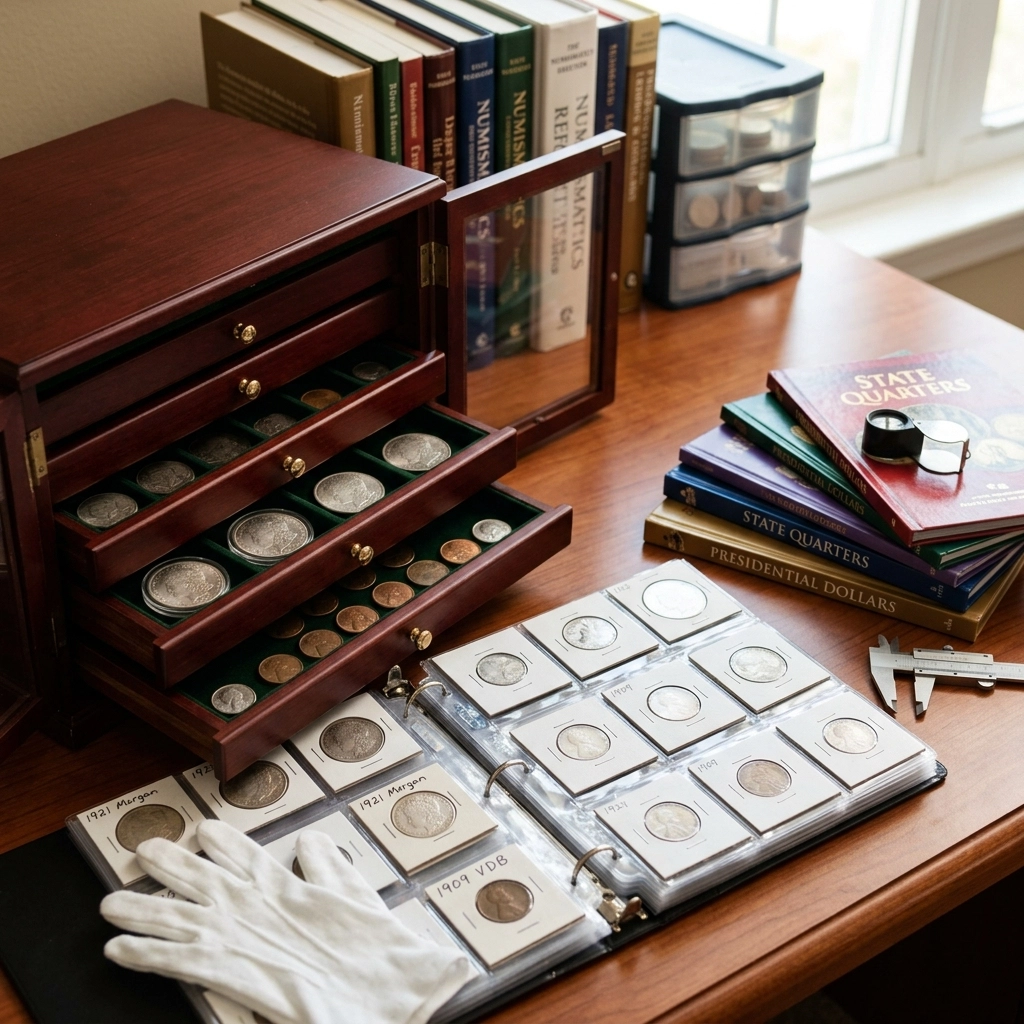
How to Choose the Best Coin Storage for Collectors (Compared)
Hey there, and welcome back to The Daily Mint. I’m Matt Dinger from The Coin Show, and today we’re talking about something that isn’t quite as flashy as a gold double eagle but is arguably more important: keeping your coins safe.
Whether you just inherited a jar of wheat cents or you’ve been hunting for that perfect 1916 Standing Liberty Quarter for a decade, how you store your collection matters. Bad storage can literally eat away at your investment. Good storage keeps your history intact for the next generation.
Let’s dive into the world of coin storage for collectors.
The Golden Rule: No PVC!
Before we talk about folders, boxes, or safes, we have to talk about the enemy: PVC.
In the old days, many plastic "flips" (those little clear pouches) were made with polyvinyl chloride (PVC) to make them soft and pliable. Over time, the chemicals in that plastic break down and release an acidic green slime onto the coin. This is known in the hobby as coin pvc damage.
If you see a green, gooey residue on your coins, get them out of those holders immediately. Once the damage starts, it can pit the surface of the metal, permanently lowering the grade. When you’re looking for coin collecting tips, "no PVC" is always at the top of the list. Always look for "PVC-free" or "Mylar" holders.
Level 1: The Basics (Folders and 2×2 Flips)
If you’re just starting out, you probably don’t need a high-tech vault. You need organization.
Cardboard 2×2 Flips
These are the industry standard. They are cardboard squares with a Mylar circle in the middle. You fold them over the coin and staple them shut.
- Pros: Very cheap, easy to write notes on the cardboard, fits in standard storage boxes.
- Cons: You have to be careful with staples. Use a "flat-clinch" stapler so the staple legs don’t scratch the holder next to it in your box.
Coin Folders
We’ve all seen the blue Whitman folders. You push the coin into a circular slot.
- Pros: Great for "set building" (like filling every date of Lincoln Cents).
- Cons: You can only see one side of the coin, and the coins are exposed to the air. Not great for high-value silver or copper that might tarnish.
Level 2: The Enthusiast (Albums and Tubes)
Once your collection grows, you’ll want something more substantial.
Coin Albums (Dansco or Littleton)
Unlike folders, albums have clear plastic slides that protect both sides of the coin.
- Pros: Professional look, protects from fingerprints, allows you to see the reverse of the coin.
- Cons: More expensive than folders.
Coin Tubes
If you have a large "hoard" of the same type of coin: say, a bunch of silver Roosevelt dimes: tubes are the way to go. They are hard plastic cylinders that stack easily.
- Pro-tip: Use color-coded caps to stay organized. The industry standard is red for cents, blue for nickels, green for dimes, and orange for quarters.
Level 3: The Investment Grade (Capsules and Slabs)
For the big-ticket items: the coins that make you check the locks on your doors twice: you need maximum protection.
Air-Tite Capsules
These are two-piece hard plastic shells that snap together, creating a nearly airtight seal. They are perfect for raw coins that are in exceptionally high grade.
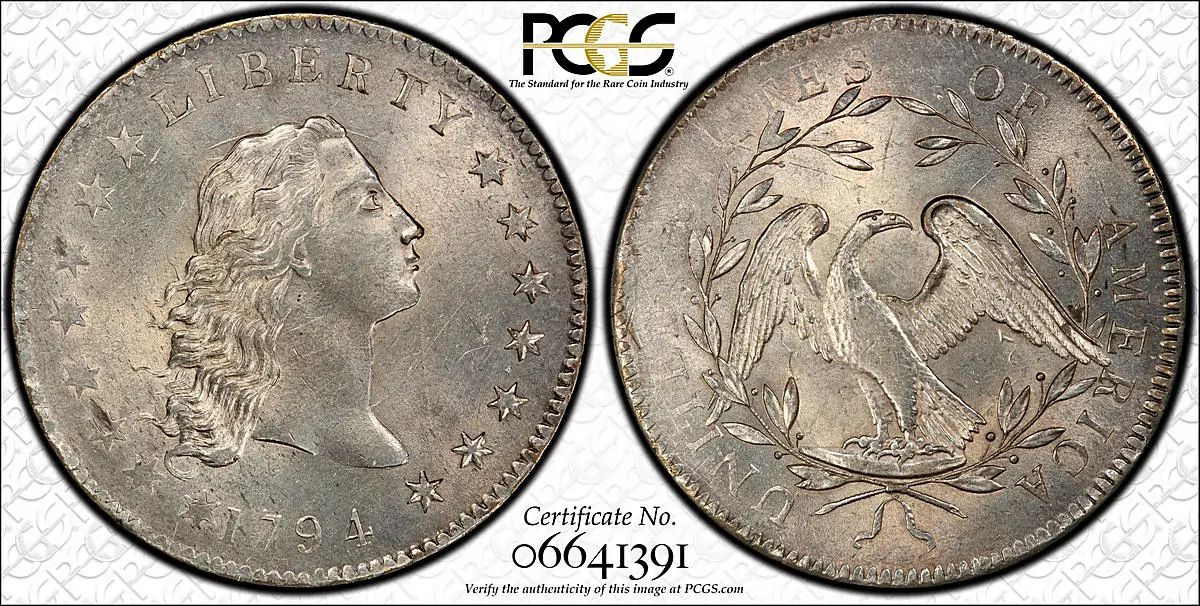
Take the 1794 Flowing Hair Silver Dollar, for example. When you're dealing with a coin worth millions, you aren't just putting it in a cardboard flip. You're looking for museum-quality protection. Many collectors use capsules with foam washers to ensure the coin doesn't rattle around inside.
Professional Grading Slabs
If you’ve spent any time listening to our numismatic podcast, you know we talk a lot about "slabbing." This is when you send a coin to a service like PCGS or NGC. They verify it’s real (essential for counterfeit coin detection), grade it based on ANA grading standards, and seal it in a sonically welded plastic holder.
- Pros: Best protection, guaranteed authenticity, easier to sell.
- Cons: Expensive (usually $20-$50 per coin plus shipping).
The 1916 Standing Liberty Quarter: A Storage Cautionary Tale
History gives us plenty of reasons to be careful with how we handle coins. Look at the Standing Liberty Quarter 1916.
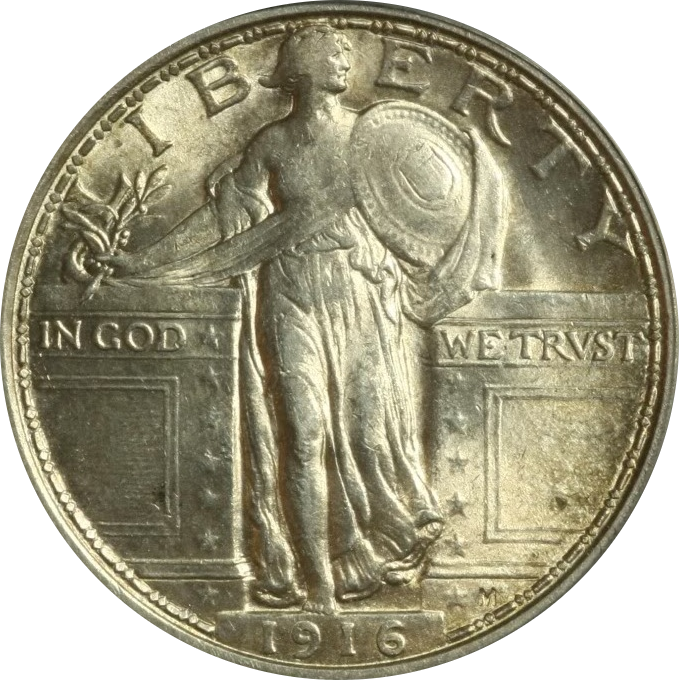
This is one of the most famous "keys" in American numismatics. In 1916, the Mint only struck about 52,000 of these. Because the date was positioned on a high point of the design, it tended to wear off quickly in circulation.
But even for collectors who saved them, poor storage in the early 20th century (like paper envelopes with high sulfur content) caused many of these coins to turn dark or develop ugly spotting. A 1916 SLQ in a high grade is a five-figure coin. A 1916 SLQ that has been "cleaned" or damaged by bad storage loses a massive chunk of its value.
Organization and Environment
Choosing how to store coin collection items isn't just about the holder; it's about the room.
- Humidity is the Enemy: High humidity causes "toning" (oxidation). While some collectors love "rainbow toning," most would prefer their coins stay the original Mint color. Use silica gel packets in your storage boxes to soak up moisture.
- Temperature Consistency: Don't store coins in an attic or a damp basement. Huge swings in temperature can cause the metal to expand and contract, and can even cause some plastic holders to "off-gas" chemicals.
- The "Safety" Factor: If your collection is worth more than a few thousand dollars, consider a fireproof safe or a safety deposit box at a bank.
Spotting Trouble: Counterfeits and Care
When you’re at a coin show, you’ll see thousands of coins in all sorts of holders. Part of knowing what is a coin show experience is learning to look past the plastic.
Sometimes, unscrupulous sellers will put a cleaned or counterfeit coin in a fancy-looking but non-certified holder to make it look "official." Part of your counterfeit coin detection toolkit should be a good 10x loupe. Always look at the coin, not just the holder.
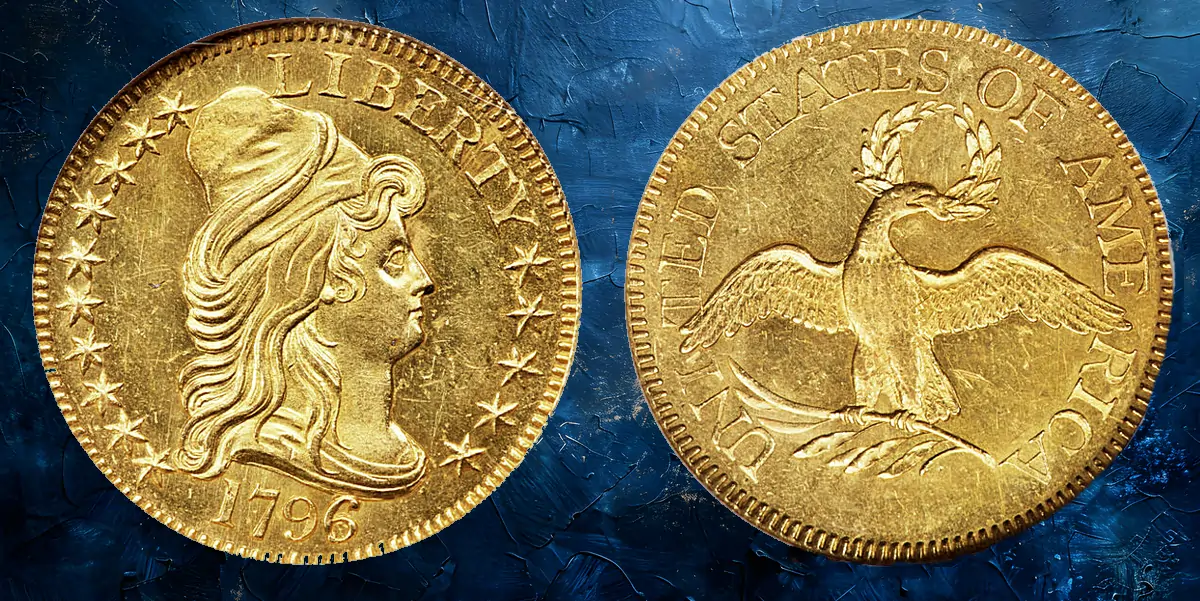
High-end rarities, like this 1796/5 Half Eagle, are almost always found in professional slabs today. If someone tries to sell you a "raw" version of a coin this rare, your alarm bells should be ringing.
Looking Forward: The 2026 Redesigns
As we move through 2026, we’re seeing some of the most exciting changes to US coinage in decades.
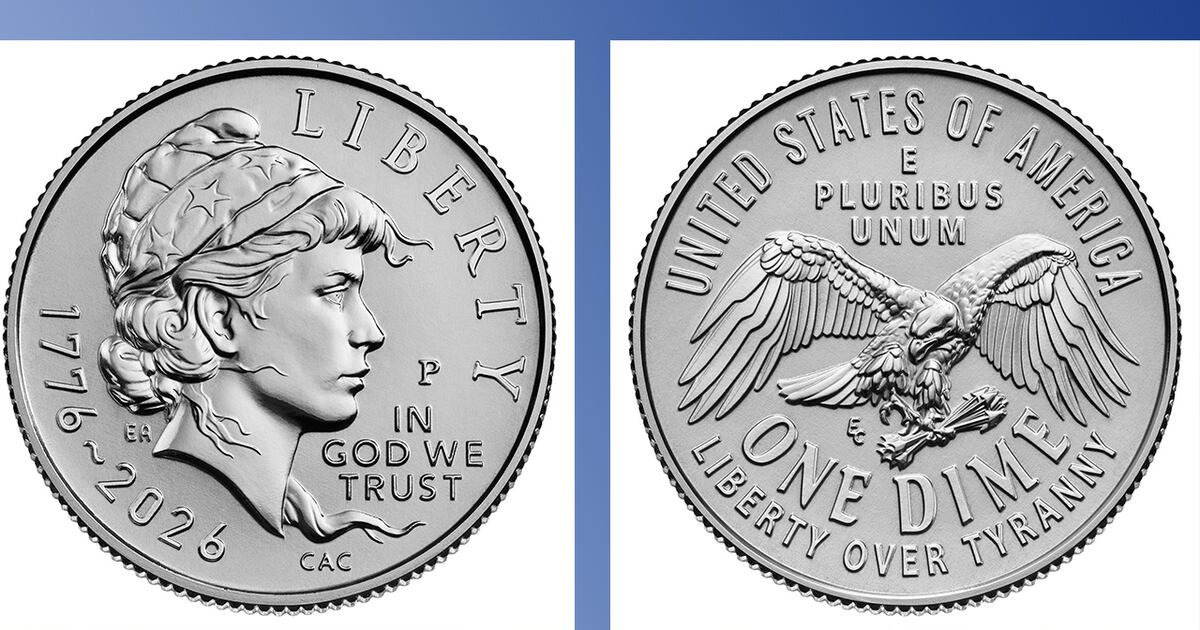
With the release of the 1776-2026 Emerging Liberty Dime and other Semiquincentennial designs, a whole new generation of collectors is entering the hobby. If you’re planning on picking up these new releases, start your storage journey the right way. Get some high-quality Mylar flips or a dedicated album for the 2026 series.
Final Thoughts
At the end of the day, coin storage for collectors is about peace of mind. You want to be able to pull out your collection, share the history with your friends or kids, and know that the coins look exactly like they did the day you bought them.
If you want more coin collecting tips or want to hear us argue about the best way to organize a silver stack, check out The Coin Show. It’s the coin collecting podcast where we talk about the hobby we love, from the rarest gold pieces to the newest pocket change.
Happy collecting, and keep those coins dry!
: Matt Dinger
Podcast Host, The Coin Show