

The Ultimate Guide to Coin Storage for Collectors: Everything You Need to Protect Your Finds
So, you’ve started finding some interesting stuff in your pocket change, or maybe you finally pulled the trigger on that key date you've been eyeing for months. First of all, welcome to the hobby! Whether you’re a seasoned pro or just a beginner checking every nickel for a "V," you’ve probably realized one thing: coins aren’t just metal. They’re tiny pieces of history, and if you don’t treat them right, that history: and their value: can literally rot away.
In this edition of The Daily Mint, we’re diving deep into the world of coin storage. We’re talking about the "Big Bad" (PVC), the best ways to keep your collection safe, and even a little historical mystery featuring the legendary 1916 Standing Liberty Quarter. Grab a coffee, let’s get into it.
The Villain of the Hobby: What is PVC Damage?
If there’s one thing we talk about on our coin collecting podcast, it’s the importance of safe materials. You might think any old plastic bag or binder page is fine for your coins, but there is a hidden enemy lurking in the cheap stuff: Polyvinyl Chloride, or PVC.
PVC is a chemical used to make plastics soft and flexible. Think of those floppy, rubbery flip-style holders you see at flea markets. Over time, the chemicals in the PVC break down and react with the metal of your coins. The result? A sticky, bright green film often called "green slime" or "green gunk."

How to Spot the Gunk
PVC damage usually starts as a faint, milky haze. If you tilt the coin in the light, you might see a slight green tinge. Eventually, it becomes a thick, oily residue that can actually etch (eat into) the surface of the metal. Once a coin is etched, the damage is permanent. You can remove the slime with a careful acetone soak, but you can’t bring back the original surface.
Pro Tip: If a plastic holder is soft, oily, and smells like a new shower curtain, keep it away from your coins!
Coin Storage for Collectors: The Good Stuff
Now that we’ve scared you away from cheap plastic, what should you use? The goal is to use archival-safe materials. These are inert, meaning they won't react with the metal.
1. Mylar Flips (2x2s)
These are the industry standard. Look for 2×2 flips made of Mylar (a brand name for PET plastic). They are stiff, clear, and don’t contain any nasty oils. If you use the cardboard versions with the little windows, just make sure the window is Mylar and the cardboard is acid-free.
2. Hard Plastic Capsules
For your best pieces, capsules are the way to go. These are made of hard acrylic or polystyrene. They create a nearly airtight seal that protects against humidity and physical scratches.
3. Albums and Folders
Folders (where you push the coin into a hole) are great for beginners, but they only show one side of the coin. Albums (like the famous Dansco or Whitman types) allow you to see both sides and often come with slide-in windows that are PVC-free.
4. Certified Slabs
If you have a high-value coin, getting it graded by a service like PCGS or NGC is a smart move. Not only does this verify the grade and authenticity, but the coin is also sealed in a sonically welded, archival-safe "slab." It’s the gold standard for coin storage for collectors.
Controlling the Environment
It’s not just about what you put your coins in; it’s also about where you put them. Humidity and heat are the enemies of numismatics.
- Avoid the Attic/Basement: These areas have massive swings in temperature and humidity. A damp basement will turn your beautiful copper cents into a corroded mess in no time.
- Keep it Cool and Dry: A safe in a climate-controlled room is best.
- Silica Gel is Your Friend: Throw a few silica gel packs into your storage box or safe to soak up any stray moisture.
Historical Spotlight: The Standing Liberty Quarter 1916
Let’s take a break from storage tips and talk about a coin that deserves the best storage money can buy: the Standing Liberty Quarter 1916.
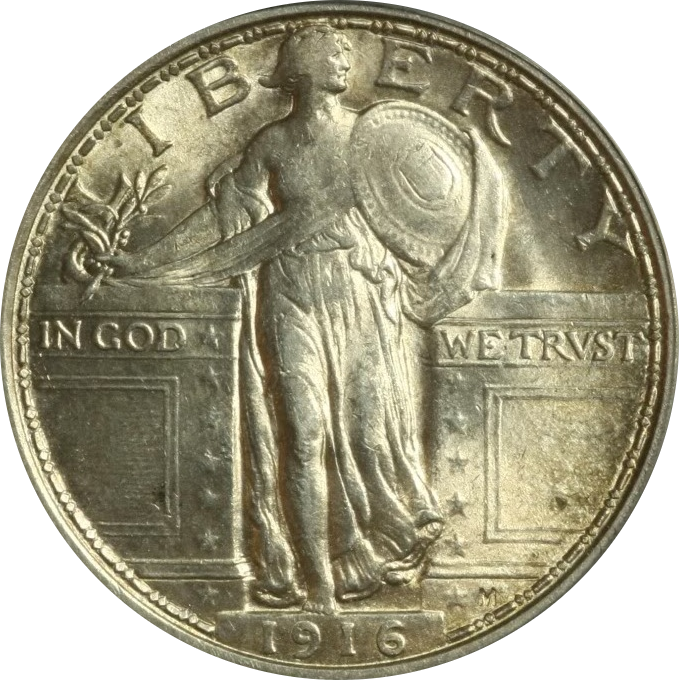
The 1916 SLQ is a legend in the hobby. It was the first year of the series, designed by Hermon A. MacNeil to replace the aging Barber design. However, it didn't last long in its original form. The "Type 1" design featured Liberty with an exposed right breast, which caused quite a stir in the more conservative climate of the time.
By 1917, the Mint redesigned it to cover Liberty in chain mail. Because the 1916 had a tiny mintage of only 52,000 pieces, it is a massive "key date" today. If you find one, protect it! These are often targets for counterfeit coin detection efforts because they are so valuable. Fakers often try to alter the date on a common 1917 quarter to make it look like a 1916.
Mastering the Basics: ANA Grading Standards
To really know how to value and protect your collection, you need to understand grading. The American Numismatic Association (ANA) sets the bar for ANA grading standards using the Sheldon Scale (1 to 70).
- MS-60 to MS-70: "Mint State" (Uncirculated). These coins have never been in your pocket change.
- AU-50 to AU-58: "About Uncirculated." They look new but have a tiny bit of wear on the high points.
- G to VF: These are your circulated coins with varying degrees of detail remaining.
Understanding these standards helps you decide which coins belong in a cheap 2×2 and which ones deserve a professional slab.
Ready to Show Off? What is a Coin Show?
Once you’ve got your collection organized and protected, you might want to see what other people are doing. You’ll often hear us talk on our numismatic podcast about attending shows.
So, what is a coin show? It’s basically a convention for coin nerds. Dealers set up tables with thousands of coins for sale, and collectors come to buy, sell, trade, and: most importantly: learn. It’s a great place to see different storage solutions in person and ask experts about counterfeit coin detection.
Final Thoughts: Keep it Safe, Keep it Fun
Coin collecting is more than just a hobby; it's a way to hold onto the past. By following these coin collecting tips, you’re ensuring that the coins you love today will be around for collectors a hundred years from now.
Remember:
- Ditch the PVC.
- Use Mylar or hard capsules.
- Control the humidity.
- Keep learning!
If you want more deep dives into specific coins or more tips on how to handle your collection, check out our latest episodes on the The Coin Show website. We’re always here to help you navigate the "Daily Mint" of the numismatic world.
Happy hunting, and keep those coins shiny (but don't clean them)!