
Why Everyone Is Talking About Our Coin Collecting Podcast (And You Should Too)
If you’ve ever found yourself squinting at a handful of change or spending your Saturday mornings hunting through "junk silver" bins, you’ve probably realized something: coin collecting can be a lonely hobby. Most people see a quarter and think "laundry money." You see a piece of history.
That’s exactly why The Coin Show exists. We wanted to create a place where people who actually care about the difference between a 1916-D and a 1916-P Mercury Dime could hang out.
What started as a simple idea between two friends, Matt Dinger and Mike "Noodle" Nottelmann, has grown into a leading numismatic podcast that collectors all over the world tune into every week. But why is everyone talking about it? And more importantly, why should you be listening?
Let’s dive into what makes our community tick, along with some essential coin collecting tips every collector needs in their back pocket.
The Voices Behind the Mic
The heart of the show is the chemistry between Matt and Mike. As professional coin dealers, they’ve seen it all, the multi-million dollar rarities and the heart-breaking "found it in a drawer" fakes.
Matt and Mike bring a casual, "no-snobs-allowed" vibe to the hobby. Whether they’re debating the latest US Mint releases or interviewing industry giants, the goal is always the same: make coin collecting accessible, entertaining, and educational. If you've been looking for a coin collecting podcast that doesn't feel like a boring college lecture, you've found it.
Your Collection’s Silent Killer: Coin PVC Damage
One of the most frequent topics we discuss is preservation. You can spend decades building a beautiful collection only to have it ruined by a few dollars' worth of bad plastic.
We are talking about coin PVC damage.
PVC (polyvinyl chloride) is often used in cheap coin flips and album pages because it’s flexible. But that flexibility comes from chemicals called plasticizers. Over time, those chemicals leak out and react with the metal of your coin.
How to spot it:
- A sticky or "greasy" film on the surface.
- A hazy green residue, usually starting in the recessed areas of the design.
- A distinct chemical smell, almost like a new shower curtain.
If left untreated, this "green slime" will eventually eat into the metal, causing permanent pitting and destroying the coin’s value. This is why learning how to store coin collection sets properly is the very first thing we teach new listeners.
Pro-Tip: Always use Mylar (non-PVC) flips or hard plastic holders. If you’re unsure, it’s worth the small investment to re-holder your coins. Check out our guide on 7 storage mistakes you might be making for a deeper dive.
Decoding the Grades: ANA Grading Standards
If you've ever looked at a coin for sale and wondered why one "Uncirculated" coin costs $50 and another costs $5,000, the answer lies in the grade.
Most collectors follow the ANA grading standards, based on the Sheldon Scale of 1 to 70.
- 1-58: These are circulated coins, showing varying degrees of wear.
- 60-70: These are "Mint State" or uncirculated coins.
The jump from an MS-63 to an MS-65 might look invisible to the naked eye, but it can represent a massive jump in rarity and price. On the podcast, we often talk about "grading the coin, not the holder." Understanding the nuances of strike, luster, and "eye appeal" is what separates a casual hobbyist from a seasoned numismatist.
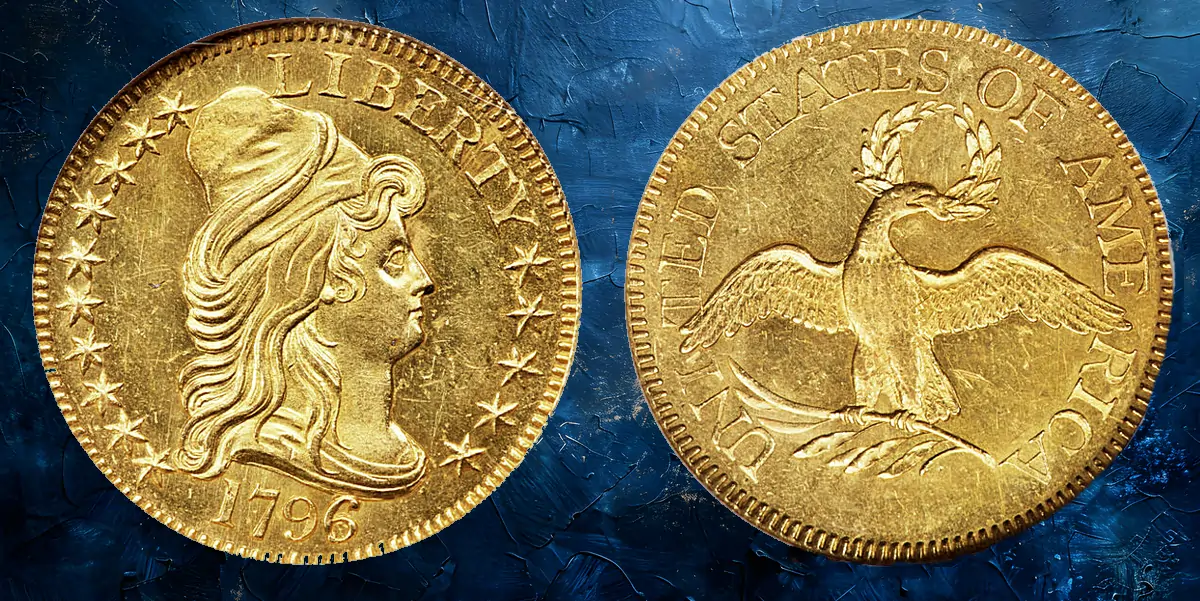
Historical Spotlight: The Scandalous Standing Liberty Quarter 1916
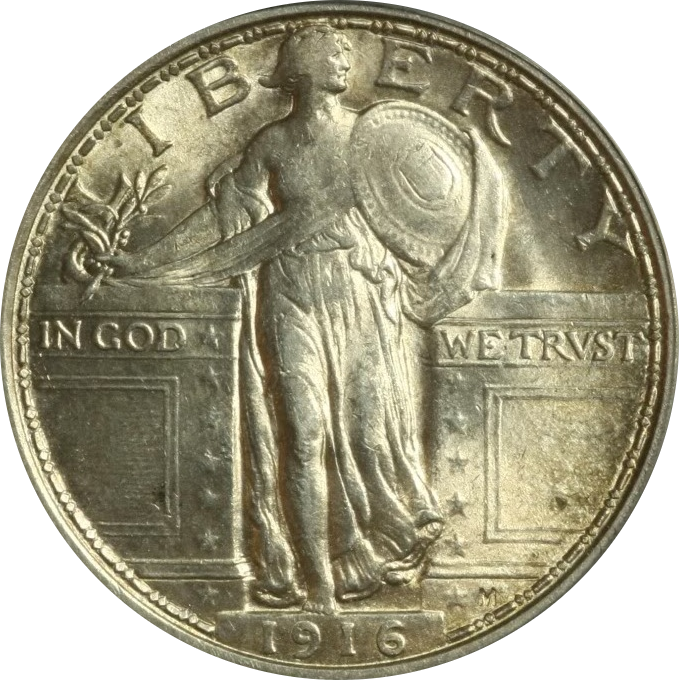
Every coin has a story, but few are as juicy as the Standing Liberty Quarter 1916.
When the design by Hermon MacNeil first hit the streets, it caused a bit of a stir. Why? Because Liberty was depicted with one breast exposed. The public outcry (and the onset of WWI) led the Mint to quickly redesign the coin in 1917, giving Liberty a coat of chain mail for modesty.
Because the 1916 version was only produced for a short time, it has a tiny mintage of just 52,000 coins. Today, a Standing Liberty Quarter 1916 is a holy grail for many collectors. If you ever find one in a collection, the first thing you should do is check for counterfeit coin detection markers, because of its high value, this is a frequent target for fakers.
Spotting the Fakes: Counterfeit Coin Detection
The scary truth is that counterfeits are getting better. We spend a lot of time on the podcast talking about how to protect yourself.
While high-end fakes require a professional eye, there are three "Home Tests" you can do:
- The Weight Test: Use a high-precision digital scale. If a silver dollar is supposed to weigh 26.73 grams and yours weighs 24.2, it’s likely a silver-plated base metal fake.
- The Magnet Test: Genuine gold and silver are not magnetic. if your "rare" coin sticks to a magnet, it’s a total dud.
- The Ping Test: Silver has a distinct, long-lasting ring when gently tapped. Base metals have a dull "thud." (Note: Be very careful not to damage the coin while doing this!)
What Is a Coin Show, Anyway?
If you’ve never been to one, you’re missing out on the best part of the hobby.
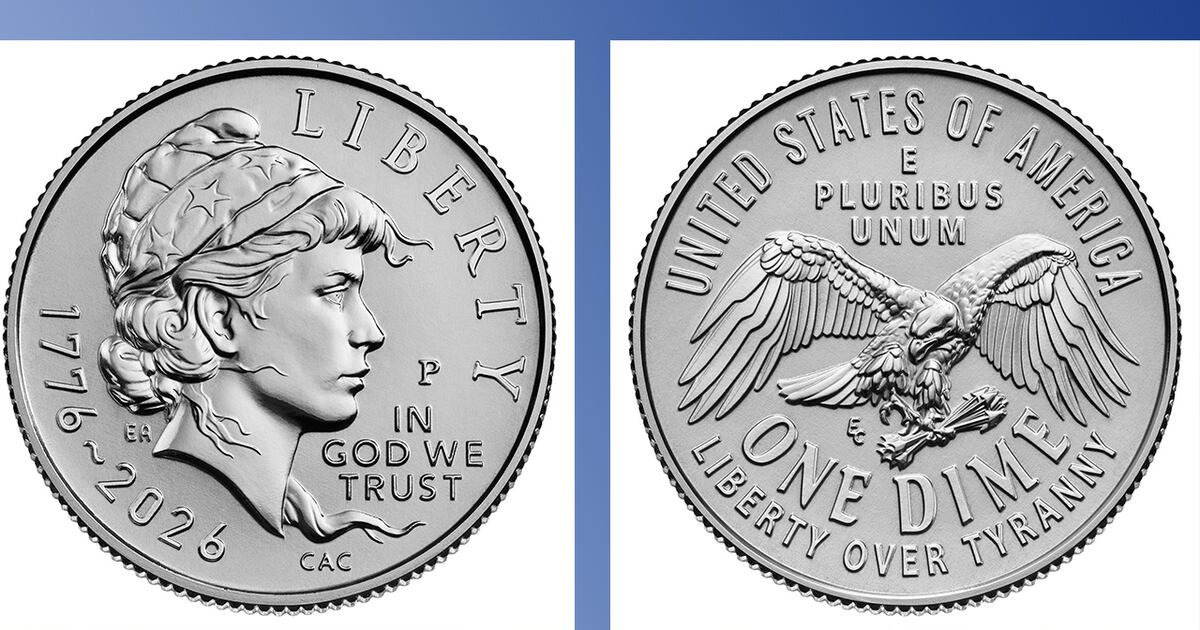
A coin show is like a massive pop-up mall specifically for money nerds. You’ll find hundreds of dealers with cases full of everything from ancient Roman denarii to the newest 1776-2026 Emerging Liberty Dime.
It’s the best place to find coin storage for collectors, get a second opinion on a grade, and: most importantly: talk shop with people who get it. We always recommend that beginners go to a show just to look and learn before they start buying. It’s the fastest way to "train your eye."
Why You Should Join Us
Coin collecting isn’t just about the money (though the money is nice). It’s about holding a piece of the past in your hand. It’s about the hunt for that one missing date in your folder.
When you listen to The Coin Show, you’re not just a listener: you’re part of a community. We share the wins, we laugh at the mistakes, and we all get a little better at the hobby every single episode.
So, whether you're looking for the latest coin collecting tips or just want to hear Matt and Mike argue about whether toning is beautiful or just "fancy rust," we’d love to have you.
How to get started:
- Subscribe to the podcast on Apple Podcasts or Spotify.
- Check out our YouTube channel for "hands-on" coin reviews.
- Leave a comment and tell us what you're currently hunting for!
Happy hunting, and remember: check your flips for PVC!