
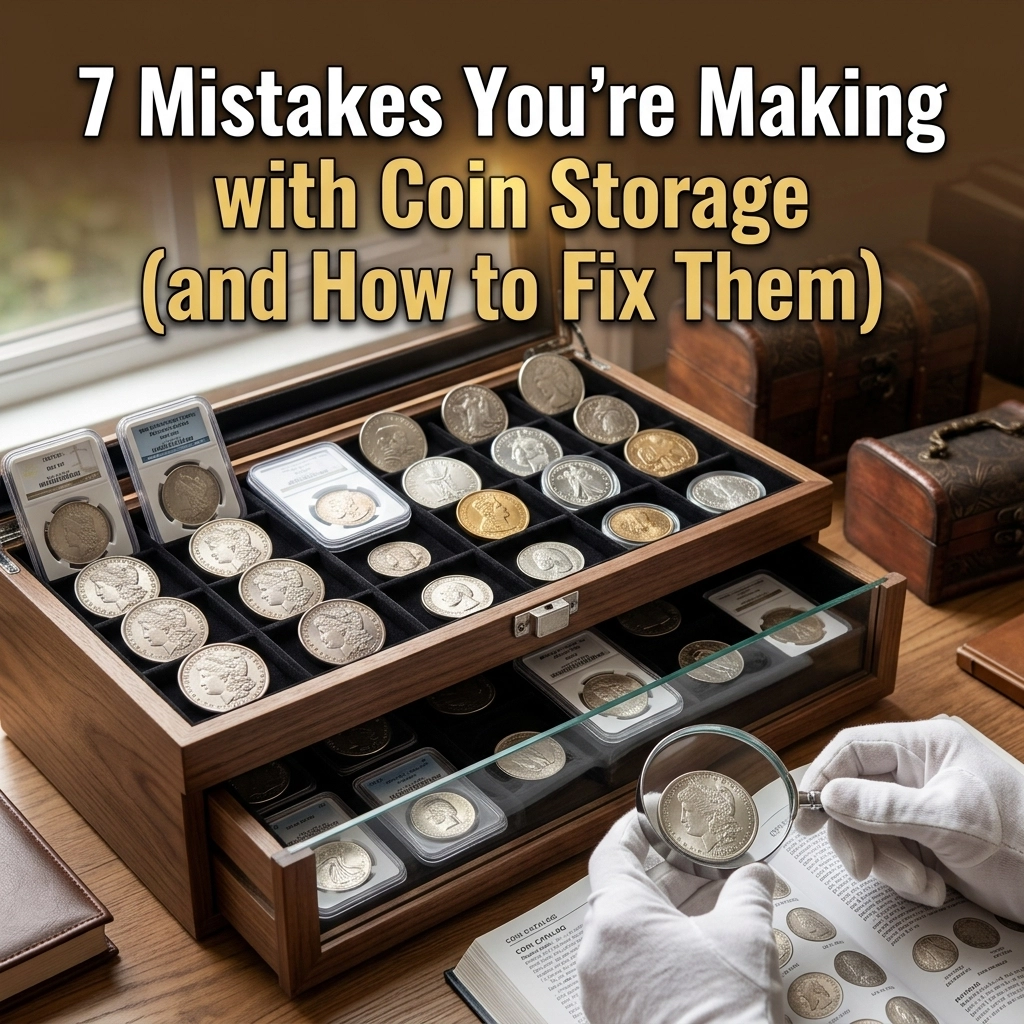
7 Mistakes You’re Making with Coin Storage (and How to Fix Them)
Hey there, fellow collectors. Matt Dinger here from The Coin Show. If you’ve spent any time listening to our coin collecting podcast, you know we’re obsessed with the history and the hustle of numismatics. But there’s one thing that breaks my heart faster than a cleaned 19th-century rarity: seeing a beautiful collection ruined by poor storage.
You might think your coins are safe tucked away in a desk drawer or an old shoebox, but the environment is working against you every single day. Whether you’re a seasoned veteran or someone who just picked up the new 1776-2026 Emerging Liberty Dime (which just dropped yesterday, by the way!), how you house your coins determines their future value.
Let’s break down the seven most common storage blunders and how you can fix them before the damage becomes permanent.
1. The "Junk Drawer" Mentality
The biggest mistake I see beginners make is treating their coins like spare change. Throwing loose coins into a jar or a drawer is a recipe for "bag marks" and surface scratches. When coins rub against each other, the metal wears down, and those tiny dings can drop a coin from a Mint State 65 to a 63 in a heartbeat.
The Fix: You need to learn how to store coin collection assets individually. For your everyday finds, cardboard 2×2 holders with Mylar windows are cheap and effective. If you’re dealing with higher-end pieces, invest in hard plastic capsules or "slabs" from grading services. Organizing your coins properly isn't just about protection; it's about being able to actually see and enjoy what you have.
2. The Bare-Hand Bandit
We’ve all been there. You get a new coin, and you want to feel the weight of it. You pick it up, hold it between your thumb and forefinger, and admire the luster. Stop right there. Your skin produces natural oils and acids that are literal poison to metal. Over time, those fingerprints will etch themselves into the surface of the coin. Once a fingerprint "turns," no amount of safe cleaning can fully remove it without damaging the coin's original skin.
The Fix: Always handle your coins by the edges. Better yet, wear lint-free cotton gloves. If you're at a coin show, you’ll notice the pros are very careful about how they touch the merchandise. Maintaining the surface integrity is key to meeting ANA grading standards when it comes time to sell or certify your collection.
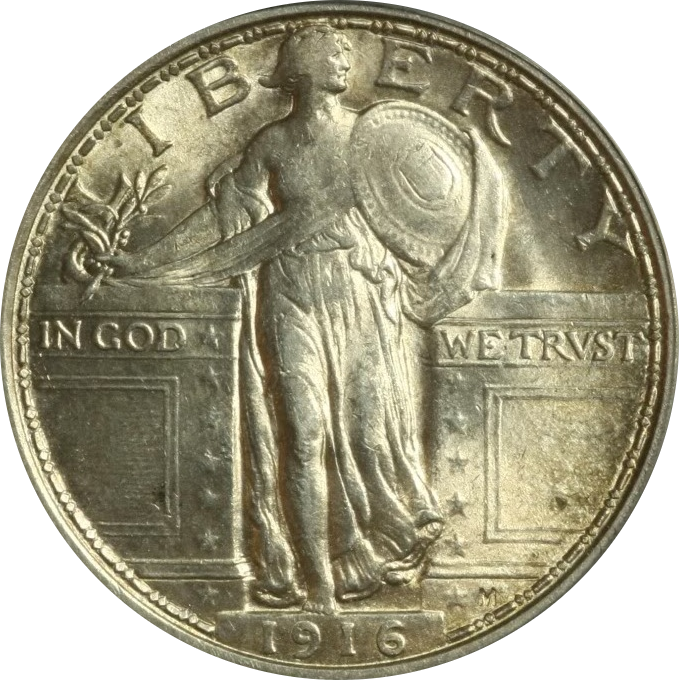
A pristine 1916 Standing Liberty Quarter requires expert handling to maintain its legendary luster.
3. Falling for the PVC Plague
This is the silent killer of the numismatic world. Many older coin flips and soft plastic sleeves were made with Polyvinyl Chloride (PVC) to make them flexible. Over time, the chemicals in the plastic break down and release a green, gooey residue. This is the dreaded coin pvc damage. It eats into the silver and copper, leaving permanent pits and ugly green stains.
The Fix: Check your collection today. If any of your plastic holders feel oily, smell like a new shower curtain, or have a greenish tint, get the coins out immediately. Use only PVC-free, archival-quality holders made of Mylar or non-plasticized materials. This is one of the most essential coin collecting tips we hammer home on our numismatic podcast: if the holder is soft and "floppy," it’s probably dangerous.
4. Ignoring the "Basement Trap"
Humidity is the enemy. I’ve talked to so many collectors who kept their life's work in a basement or an attic, only to find their silver dollars covered in black spots or their copper cents turned a sickly dull brown. Extreme temperature swings and moisture accelerate oxidation and corrosion.
The Fix: Coin storage for collectors should always be in a climate-controlled environment. The ideal humidity level is around 40-50%. If you live in a humid climate, keep silica gel packs inside your storage boxes or safe to soak up excess moisture. Think of your coins like fine wine: they like it cool, dry, and dark.
5. Misjudging the "Safe" in Safety
While a home safe is great for theft prevention, it can be a disaster for coin preservation. Many fireproof safes use a special lining that releases moisture to keep the interior cool during a fire. That moisture is great for preventing paper from burning, but it creates a literal steam room for your coins. I've seen entire collections of Morgan Dollars turn black inside a "protected" safe.
The Fix: If you use a fireproof safe, ensure your coins are in airtight containers or include plenty of high-capacity desiccant packs. Alternatively, consider a safe deposit box at a bank for your most valuable pieces, like a standing liberty quarter 1916 or a rare gold eagle.
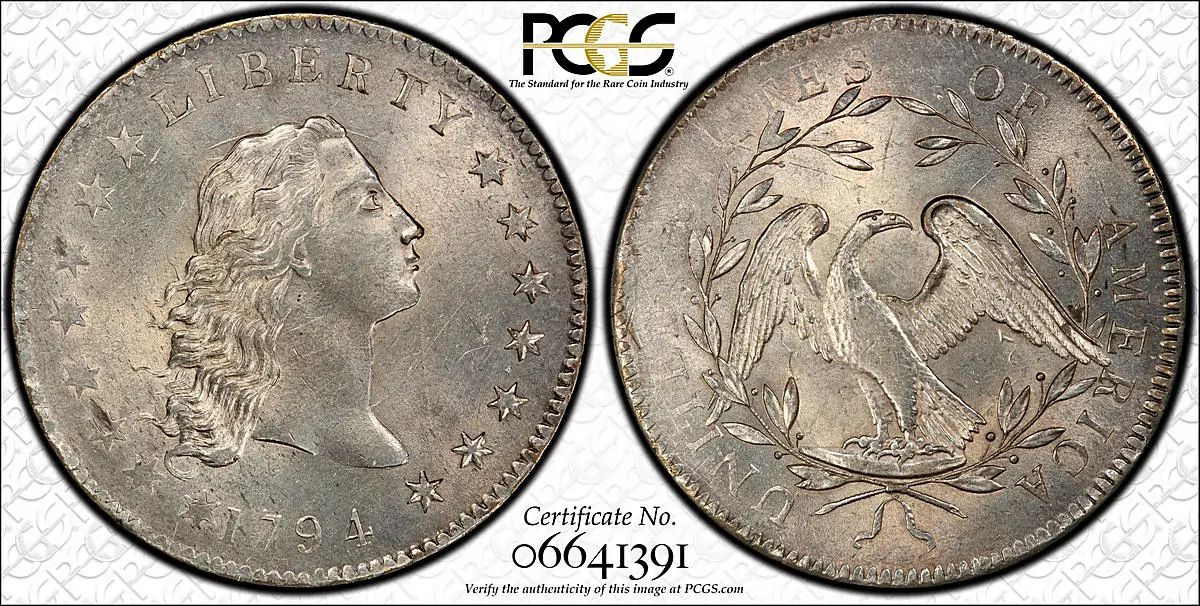
High-value rarities like this 1794 Flowing Hair Silver Dollar are always kept in strictly controlled environments to prevent environmental damage.
6. The "Mystery Coin" Syndrome
Storing coins without proper documentation is a mistake that hurts your heirs more than it hurts you. If you have a collection of silver rounds and some are high-premium collectibles while others are just bullion, failing to label them can lead to your family selling them for a fraction of their worth later on. Furthermore, good documentation helps with counterfeit coin detection. When you know exactly where a coin came from and what its weight and specs should be, you're less likely to be fooled by a fake.
The Fix: Keep a digital or physical inventory. Note the date, mint mark, grade, and what you paid for it. If you aren't sure what you have, head to a local event. If you find yourself asking, "what is a coin show?" – it’s basically a convention where collectors and dealers meet to trade, grade, and talk shop. It's the best place to get an expert opinion on your storage and inventory methods.
7. Cleaning Your Way to a Loss
The final mistake isn't strictly about where you put the coin, but what you do to it before you store it. Many people think they are doing their coins a favor by "brightening them up" with baking soda, vinegar, or metal polish. Never, ever do this. A cleaned coin is a damaged coin in the eyes of any serious collector or grading service. You can take a $1,000 coin and turn it into a $50 coin in ten seconds with a bit of silver polish.
The Fix: Leave the toning alone. Collectors actually love "original skin": the natural patina a coin develops over decades. If a coin has heavy dirt or PVC residue, consult a professional conservation service like NCS. They use scientific methods to remove contaminants without destroying the underlying metal.
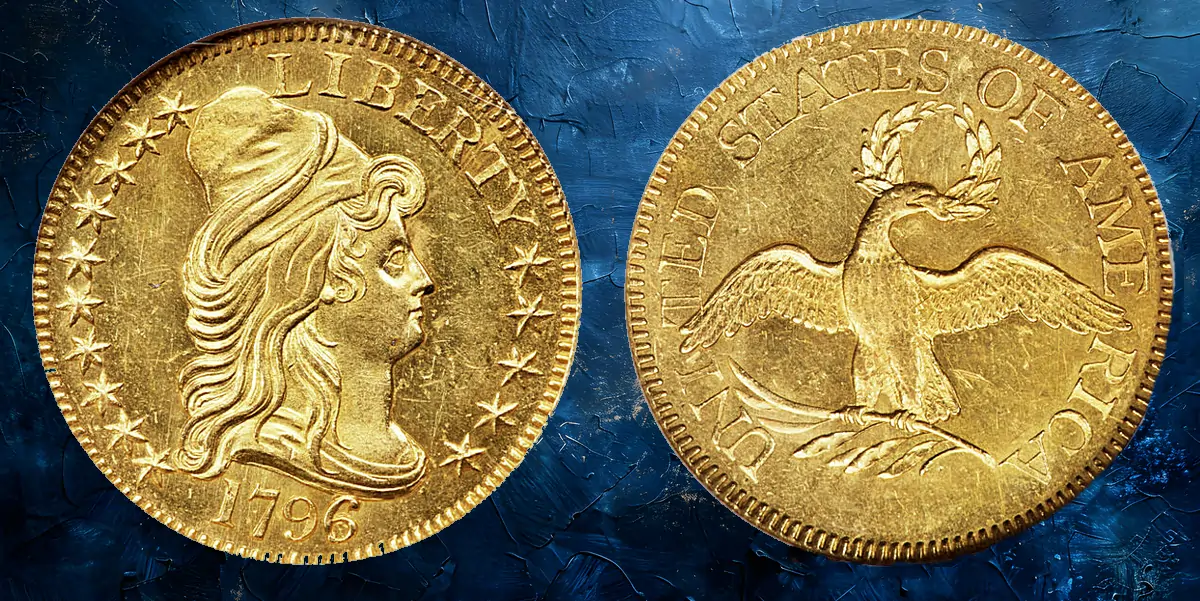
The incredible value of the 1796/5 Half Eagle is tied to its original, uncleaned condition. Preservation is everything.
Why Preservation Matters
At the end of the day, we are just temporary caretakers of these objects. A coin that has survived 200 years in great condition deserves to survive another 200. When we talk about the most expensive coins in the world: like the 1794 Flowing Hair Dollar or the record-breaking 1796 Half Eagle: their value isn't just in their rarity, but in their state of preservation.
Preserving your collection doesn't have to be expensive. It just takes a little bit of discipline and the right materials. If you’re ever in doubt, reach out to the community. Listen to a numismatic podcast, join a local club, or spend a Saturday at a local show. The knowledge you gain there will save you thousands of dollars in the long run.
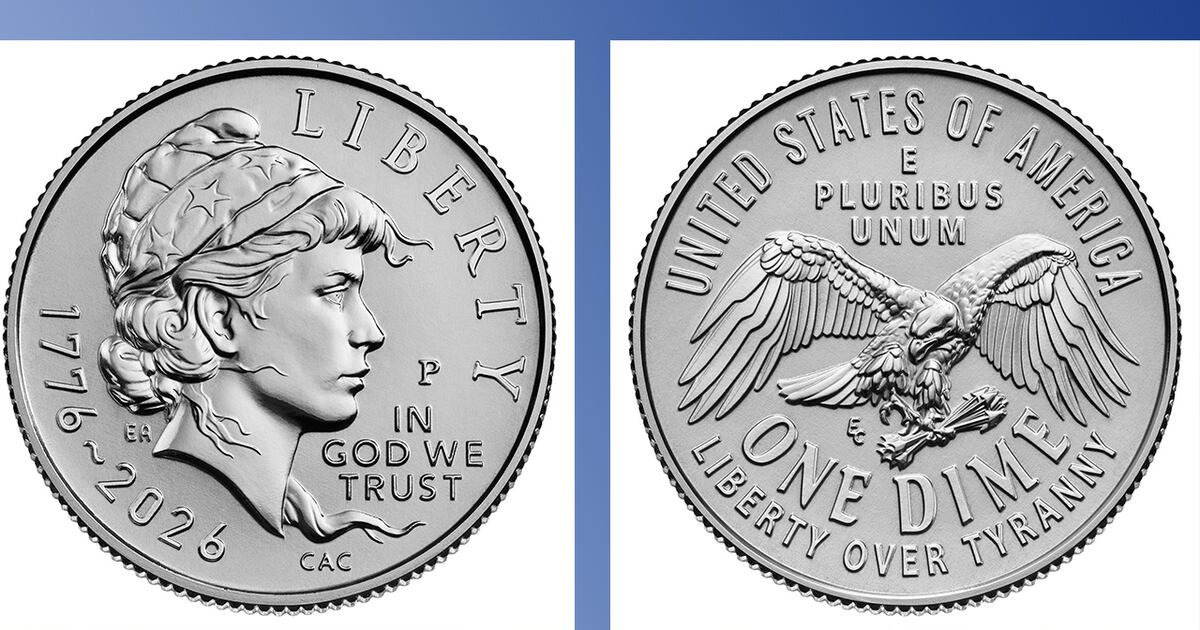
Even modern releases like the new Emerging Liberty Dime deserve proper storage from day one to ensure they stay in top grade.
Final Thoughts
Your collection is a reflection of your passion. Don't let a $2 piece of bad plastic or a humid afternoon in the garage ruin it. Take an hour this weekend to audit your storage. Check for that green PVC slime, toss in some fresh silica packs, and maybe finally get those loose Buffalo nickels into a proper album.
If you want more deep dives into the world of coins, make sure to tune into The Coin Show. We’re always talking about the latest market trends, historical deep dives, and practical advice for every kind of collector.
Until next time, keep your eyes on the strikes and your hands off the surfaces. Happy collecting!