
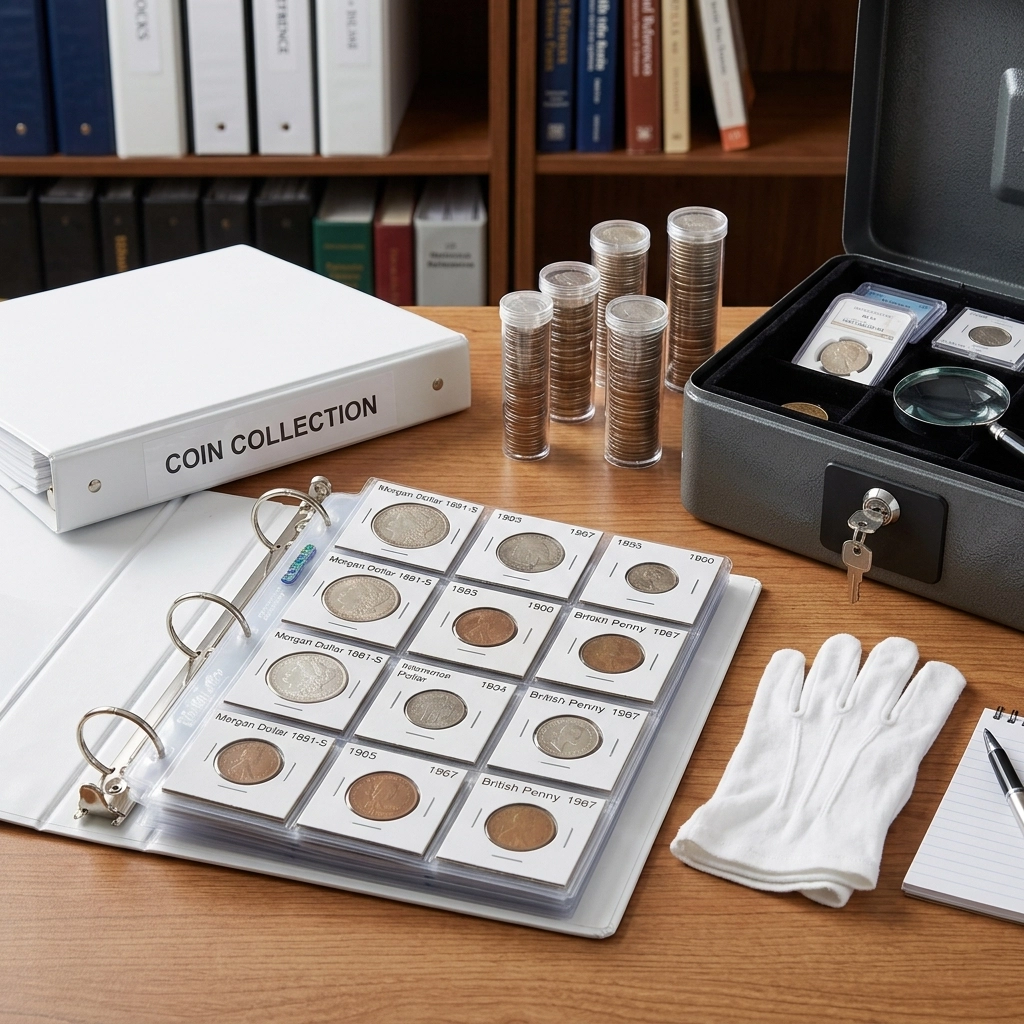
The Ultimate Guide to Coin Storage for Collectors: Everything You Need to Protect Your Finds
Hey there, fellow collectors. Matt Dinger here from The Coin Show. Welcome to another edition of The Daily Mint. If you’ve spent any time listening to our numismatic podcast, you know we’re all about the thrill of the hunt. Finding that rare date or a beautifully toned piece of history is what keeps us going. But finding the coin is only half the battle. The other half: and arguably the more important part: is keeping it in the same condition you found it.
Today, we’re diving deep into the world of coin storage for collectors. Whether you’ve just started or you’ve been at this since the Wheat penny was common pocket change, proper storage is the difference between a valuable investment and a box of damaged metal.
Why Storage Matters: More Than Just a Box
You might think a coin is "hard as nails," but the reality is that the surfaces of gold, silver, and copper are incredibly delicate. Moisture, heat, and even the air around us are constantly trying to react with the metal. If you’ve ever seen a copper coin with "the green meanies" (verdigris) or a silver dollar that looks like it’s been dipped in oil, you’ve seen the results of poor storage.
When we talk about coin collecting tips on the show, preservation is always at the top of the list. Proper storage isn’t just about organization; it’s about stopping chemical reactions before they start.
The Environment: Location Is Everything
Before we even talk about holders or albums, let’s talk about where you keep your stash. You want a "Goldilocks" environment: not too hot, not too cold, and definitely not too humid.
- Avoid the Basement and Attic: These are the two worst places for a collection. Basements are prone to dampness, which leads to corrosion. Attics experience massive temperature swings that can cause holders to crack or moisture to condense inside "airtight" containers.
- Stability is Key: Keep your collection in an interior room of your house where the temperature stays under 75 degrees and the humidity is low. A hall closet or a dedicated office space is usually perfect.
- Chemical Hazards: Avoid storing coins near cleaning supplies, paints, or even fresh wood. Many woods release acidic vapors that can turn a beautiful white silver coin into a black, splotchy mess in a matter of months.
The Absolute Rule: No PVC!
If you take one thing away from this guide, let it be this: avoid PVC at all costs.
Many cheap, soft plastic "flips" (those little two-pocket holders) are made with polyvinyl chloride (PVC) to make them flexible. Over time, the plasticizers in the PVC break down and leak onto the coin. This causes coin pvc damage, which manifests as a sticky, green film. If left long enough, it will actually eat into the surface of the metal, permanently ruining the coin.
When buying flips, always look for "unplasticized" or "non-PVC" versions. They are stiffer and more brittle, but they won't destroy your collection.
Different Storage Methods: Pros and Cons
Every collector has a different style. Here’s a breakdown of the most common ways to store your finds.
2×2 Cardboard Holders
These are the bread and butter of the hobby. They consist of a piece of cardboard with a Mylar window. You fold it over the coin and staple it shut.
- Pros: Very inexpensive, easy to write notes on the cardboard, fits in standard storage boxes.
- Cons: If you aren’t careful with the staples, you can scratch other coins. Always use a pair of pliers to "crimp" your staples flat.
Hard Plastic Capsules (Air-Tites)
If you have a coin you really care about, a hard plastic capsule is the way to go. These are made of inert acrylic and snap together to create a near-airtight seal.
- Pros: Best protection against physical damage and air exposure. Great for display.
- Cons: More expensive than cardboard and they take up more room.
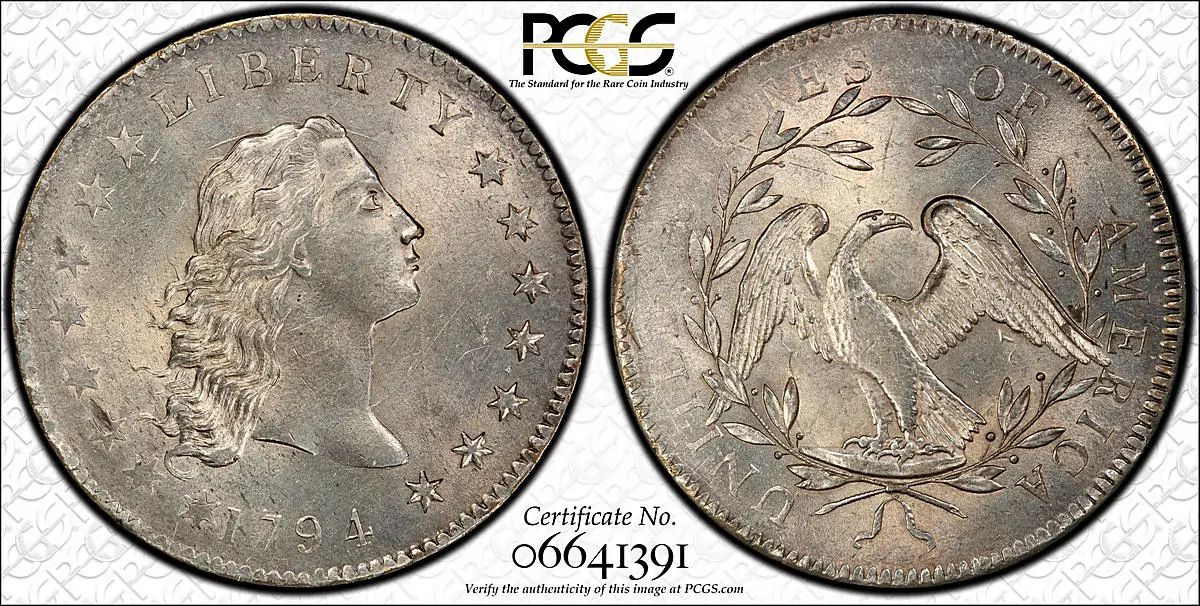
Pictured above: A 1794 Flowing Hair Silver Dollar. For a coin worth $4.5 million, you definitely aren't using a cardboard flip! This kind of rarity deserves the highest level of protection.
Albums and Folders
Folders are great for kids starting out with state quarters, but for serious collectors, we recommend archival-quality albums.
- Pros: You can see both sides of the coin, they are great for organizing by date and mint mark, and they look beautiful on a shelf.
- Cons: "Slide" marks can occur if the plastic slides rub against the coin's surface. Always be gentle when moving slides in and out.
Third-Party Slabs
When you send a coin to a service like PCGS or NGC, they return it in a sonically sealed plastic holder called a "slab." This also includes a professional grade based on ANA grading standards.
- Pros: Guaranteed authenticity, professional grading, and the best protection available.
- Cons: It costs money (usually $20-$50+ per coin), so it's only worth it for more valuable pieces.
Historical Spotlight: The 1916 Standing Liberty Quarter
When we talk about proper storage, we often think about the "heavy hitters." Take the Standing Liberty Quarter 1916. This is a legendary coin in the numismatic world. With a mintage of only 52,000, it is the "King" of the series.
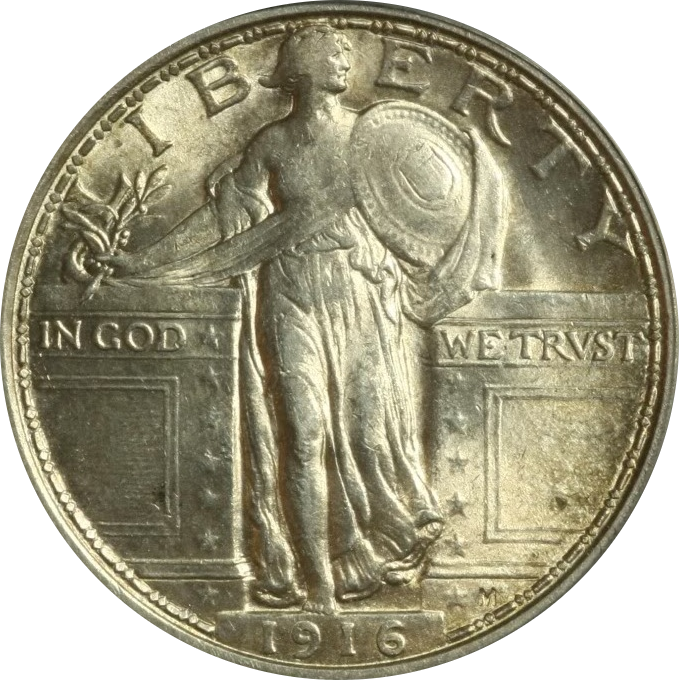
Because these were struck in relatively soft 90% silver and have a design where the date was easily worn away, finding one in high grade is incredibly difficult. If you’re lucky enough to own one, you shouldn't just toss it in a jar. A 1916 Standing Liberty Quarter in high grade is a five-figure coin. Proper storage preserves that delicate "luster": the frostiness you see on the surface: that determines the difference between a $10,000 coin and a $20,000 coin.
Handling Your Coins: The "Edge-Only" Rule
The best storage in the world won’t help if you’ve already left a big, greasy thumbprint on the face of the coin. Your skin contains oils and acids that will eventually "eat" into the metal, creating a permanent fingerprint.
Always handle coins by the edges. If you’re dealing with high-value gold or proof coins, consider wearing lint-free cotton gloves. And here’s a tip from our coin collecting podcast: never talk directly over an open coin. Microscopic droplets of saliva can cause spotting that shows up years later.
Counterfeit Coin Detection and Inspection
Storage time is also a great time for inspection. Whenever you are moving coins into new holders, take a second to look at them under a 10x loupe. This is the best time for counterfeit coin detection. Look for "mushy" details, casting bubbles, or seams on the edges. If you're unsure, it's always worth bringing it to a local expert or discussing it at a coin show.
What is a Coin Show?
If you're new to the hobby, you might be asking, "what is a coin show?" Think of it as a convention for money. Dozens (or hundreds) of dealers set up tables with thousands of coins for sale. It’s the perfect place to buy your storage supplies in bulk, talk to experts about coin care, and see rarities in person that you’d normally only see in books. It's a great way to meet people who share the same passion for history that we talk about on our numismatic podcast.
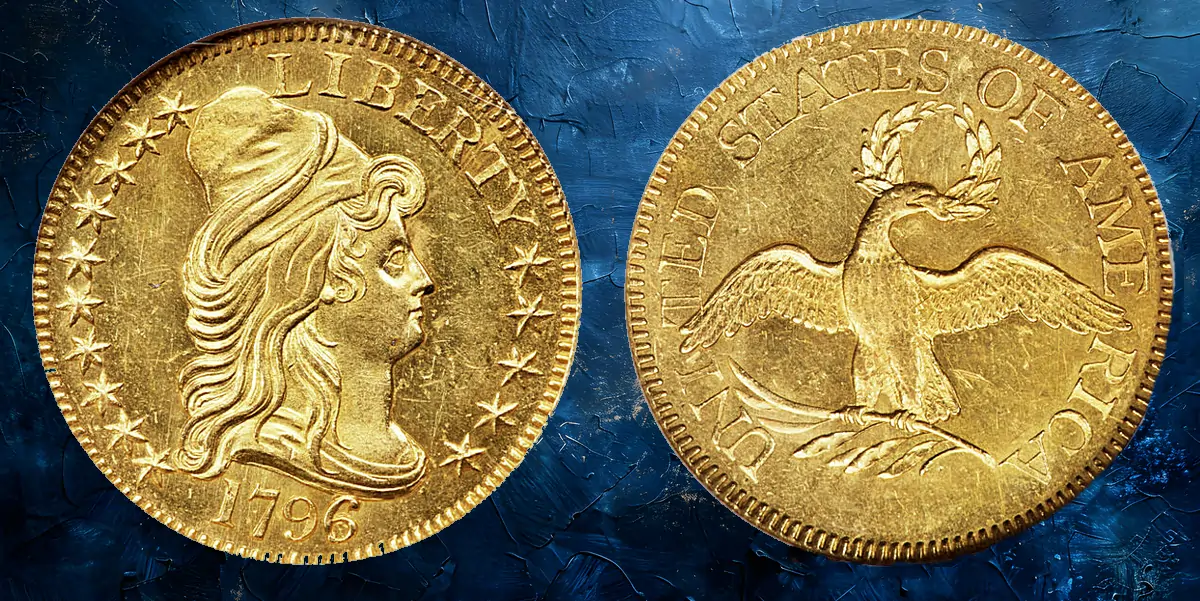
Check out this 1796/5 Half Eagle. It’s one of the finest known and sold for a record-breaking price. Seeing a coin like this at a major show is an experience you won't forget.
The Modern Era: April 17, 2026
It's a big day for us today! As of Friday, April 17th, 2026, the U.S. Mint has officially released the 1776-2026 Emerging Liberty Dime. This is the first major redesign of the dime since 1946, and it looks incredible.
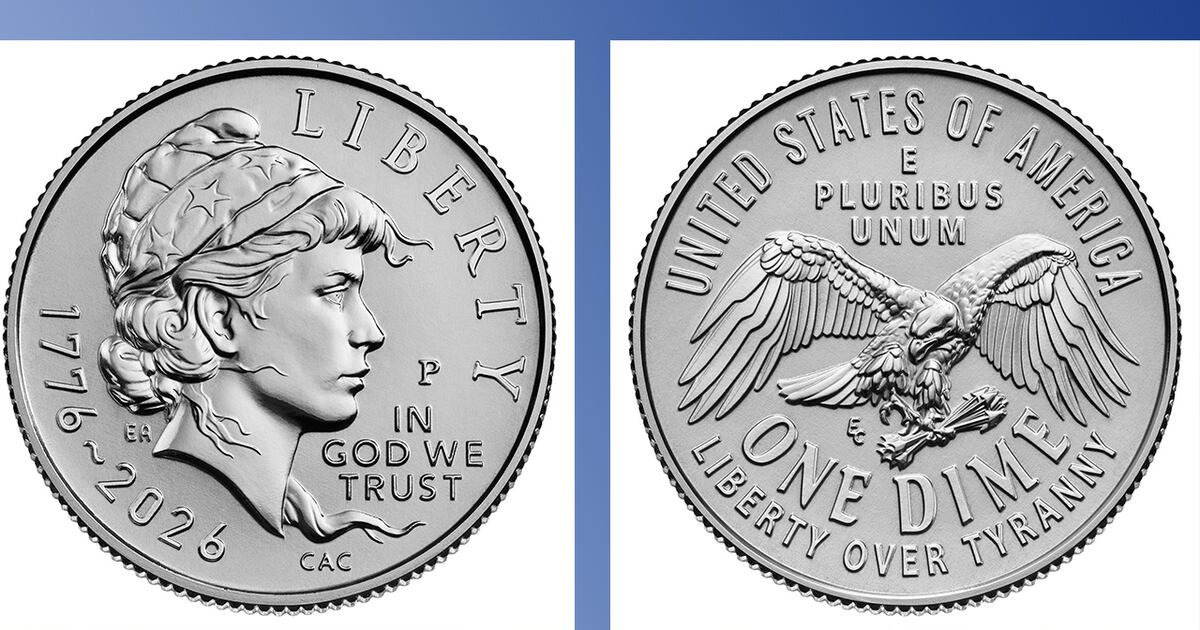
If you're picking these up today, start your storage habits right from the beginning. Don't let them sit in your pocket or a plastic sandwich bag. Get them into a Mylar flip or a capsule immediately to preserve that fresh-from-the-mint finish.
Final Thoughts on Protection
Your collection is a bridge to the past. Whether you're holding a silver dollar from the 1700s or a brand-new 2026 dime, you’re the temporary steward of that piece of history. By following these coin collecting tips and investing in quality storage, you’re ensuring that the next generation of collectors will be able to enjoy these finds just as much as you do.
If you want to learn more about grading or the latest news in the hobby, be sure to subscribe to our coin collecting podcast. We’re always here to help you navigate the world of numismatics.
Keep hunting, stay curious, and keep those coins safe!