
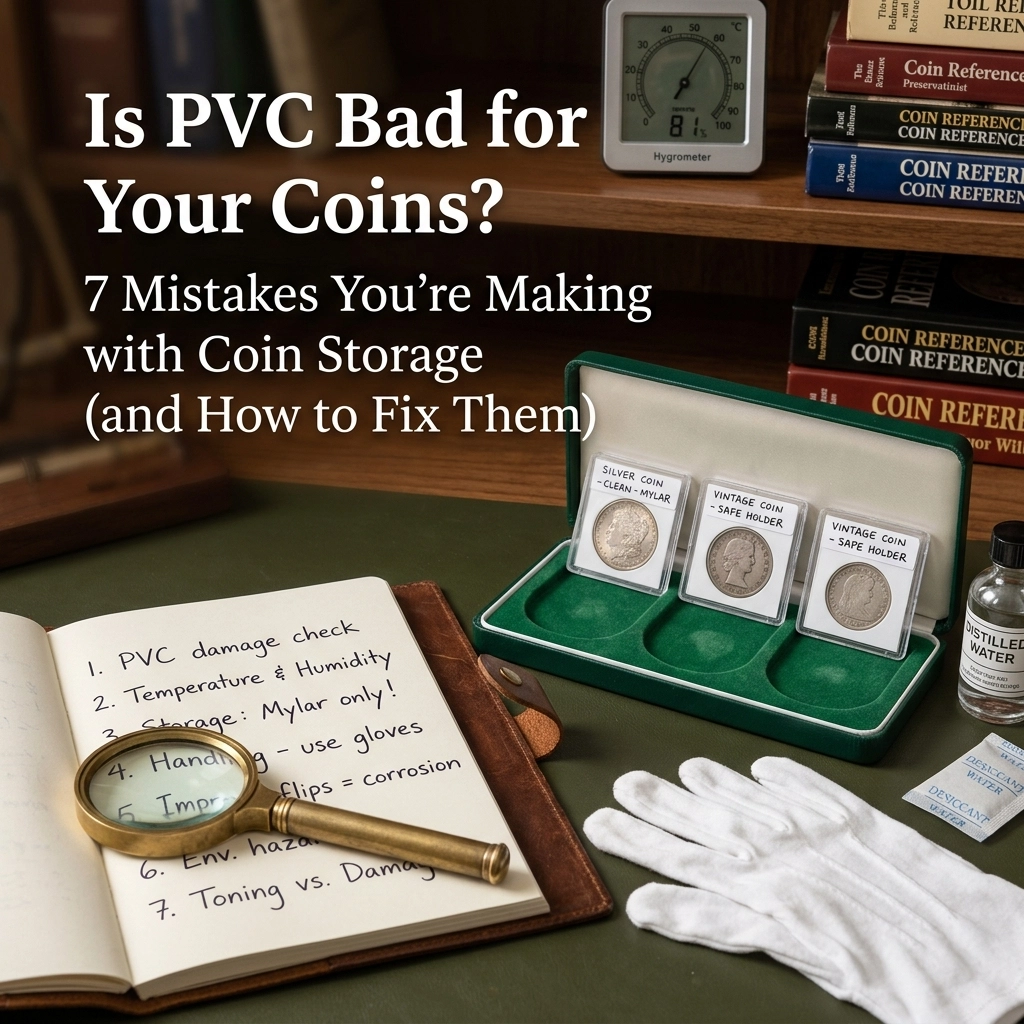
Is PVC Bad for Your Coins? 7 Mistakes You’re Making with Coin Storage (and How to Fix Them)
Hey there, fellow collectors. Matt Dinger here from The Coin Show.
Before we dive into the "green slime" horror stories, I have to mention something exciting. If you’re reading this on Thursday, April 16, 2026, then tomorrow is a huge day. The U.S. Mint is officially releasing the 1776-2026 Emerging Liberty Dime. It’s the first time we’ve seen a redesign of the circulating dime since 1946.
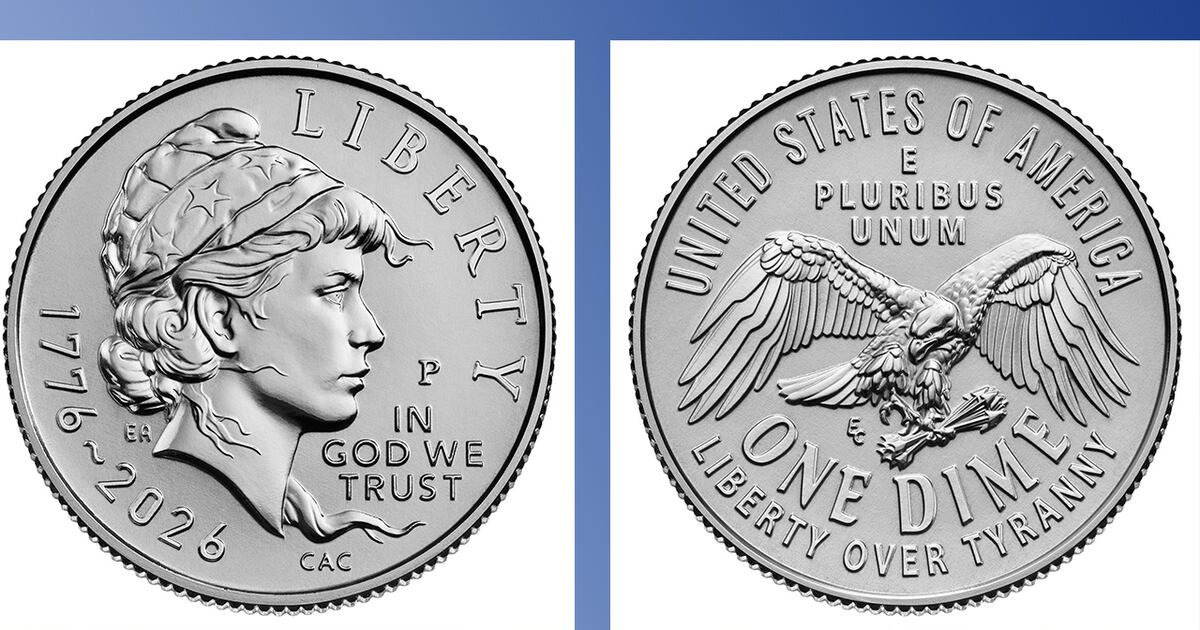
It’s a beautiful piece of modern numismatics, and I know many of you are planning to grab one. But here is the thing: whether you’re buying a brand-new Liberty Dime or you just inherited a jar of Mercury dimes from your grandfather, how you store them matters.
One of the biggest enemies in our hobby is a three-letter acronym that strikes fear into the heart of every seasoned collector: PVC.
What is PVC and Why Is It "Coin Poison"?
PVC stands for polyvinyl chloride. In the world of plastics, it’s everywhere. In the world of coin collecting, it’s a disaster waiting to happen.
Pure PVC is actually quite brittle. To make those soft, pliable coin flips we all see at flea markets or in older collections, manufacturers add chemicals called plasticizers. Over time, these plasticizers break down. They leach out of the plastic and onto the surface of your coin.
This creates a sticky, green residue. If left alone, it doesn’t just sit there, it reacts with the metal. It can cause permanent pitting and cloudiness. Copper coins are the most vulnerable, but silver and gold aren't safe either.
In this edition of The Daily Mint, let’s look at the seven biggest storage mistakes I see collectors make and how you can fix them before your investments turn into green science projects.
1. The "Soft Flip" Trap
Most of us start our journey at a local coin show. You walk around, see a coin you love, and it’s sitting in a soft, flexible plastic flip. These are great for dealers because they are cheap and don't crack when you're flipping through boxes.
The mistake? Taking that coin home and leaving it in that soft flip for years. Those soft flips are almost always loaded with PVC.
The Fix: As soon as you get home, move your coins into "unplasticized" flips (often called non-PVC or Mylar flips) or hard plastic capsules. If the flip feels soft and oily, get the coin out of there immediately.
2. Ignoring the "Attic Effect"
I’ve talked about this on the coin collecting podcast before, environment is everything. Many collectors hide their stash in the attic or a basement safe.
Heat and humidity are like a turbo-boost for PVC damage. The hotter it gets, the faster those chemicals break down and migrate onto your coins. High humidity can even lead to the formation of hydrochloric acid when mixed with the gas released by degrading PVC.
The Fix: Keep your collection in a climate-controlled area. If you use a safe, throw in some silica gel packets to manage the moisture. Your coins like the same temperature you do: cool and dry.
3. Using Vintage "Green-Ring" Albums
If you’ve been at this a while, you might remember the old Harco or early-model albums. They were popular in the 70s and 80s, but many of those plastic slides contained PVC. If you see a vintage album where the plastic has turned yellow or brittle, or if there’s a literal green ring around the coin slots, you have a problem.
The Fix: Modern albums from reputable brands like Dansco or Whitman are generally safe, but if you’re using an album from thirty years ago, it’s time for an upgrade. Switch to archival-quality pages that are labeled as PVC-free.
4. Storing "Sick" Coins with Healthy Ones
PVC damage can act a bit like a virus. If you have a coin with a heavy coat of green PVC residue and you store it in a shared bin or a multi-coin holder with "healthy" coins, the off-gassing from the damaged coin can start the reaction on the others.
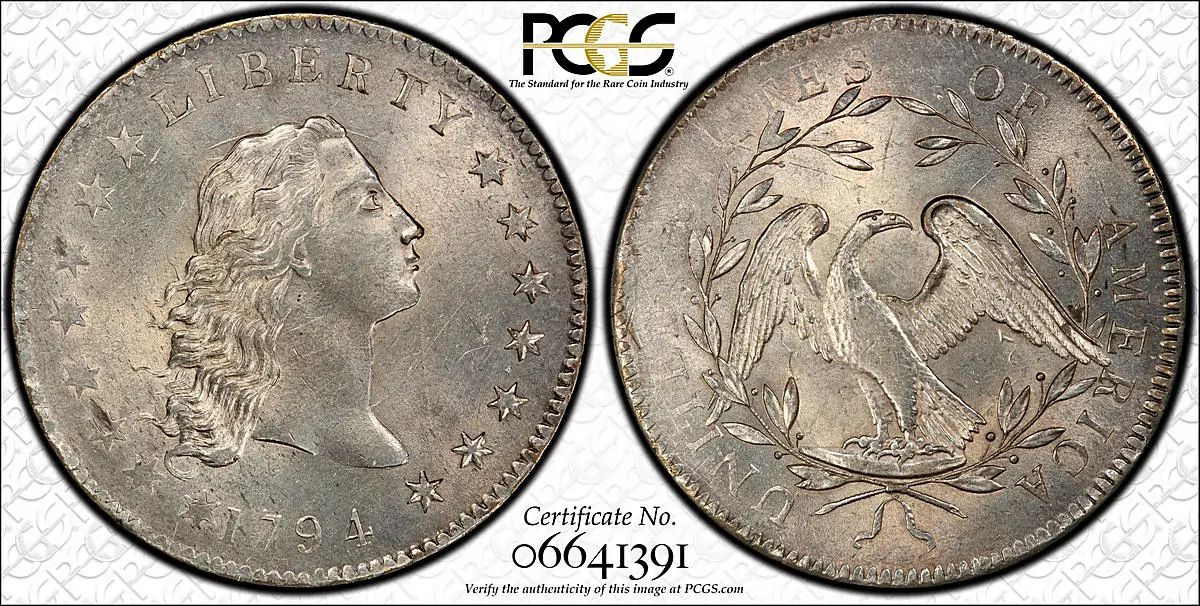
The Fix: Isolate any coin that shows signs of residue. Don't let the "slime" spread to your high-value pieces, like a 1794 Flowing Hair Silver Dollar.
5. The "Set It and Forget It" Mentality
Numismatics is a long-term game, but that doesn't mean you should lock your coins away for a decade without checking on them. Even "safe" holders can fail over very long periods if the environment changes.
The Fix: Set a reminder to audit your collection every 4 to 6 months. Take a magnifying glass, look at the edges (where PVC damage usually starts), and make sure everything looks as it should.
6. Touching Coins After Handling Plastic
This is a subtle one. If you’ve been handling old, PVC-laden flips and then you touch a raw coin with your bare hands, you’re transferring those oils and chemicals directly onto the metal. Your skin oils combined with PVC residue create a nasty chemical cocktail.
The Fix: Use cotton gloves or specialized coin tongs. If you must use bare hands, wash them thoroughly first and only handle the coin by the edges.
7. Assuming "Green" Means the Coin is Ruined
Many collectors see a green tint on a Standing Liberty Quarter and think, "Well, it’s trash now." They either try to scrub it off (NEVER do this) or they sell it for melt value.
The Fix: Early-stage PVC residue can often be removed safely using a pure acetone bath (not nail polish remover, which has perfumes and oils). Acetone is a solvent that dissolves the plasticizers without reacting with the metal. However, if you aren't comfortable doing this, send it to a professional conservation service like NCS.
Historical Spot: The 1916 Standing Liberty Quarter
Speaking of coins we want to protect, let's talk about a legend: the Standing Liberty Quarter 1916. This coin is the "Holy Grail" for many quarter collectors. With a mintage of only 52,000, it’s incredibly rare.
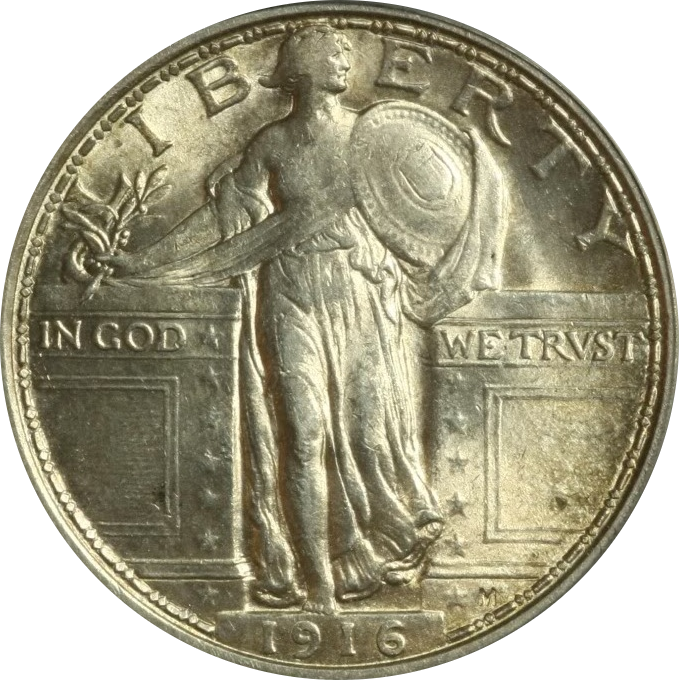
Imagine finding one of these in an old collection, only to realize it's been sitting in a PVC flip since 1970. Because these coins have a high silver content, the acidic reaction from the PVC can eat into the delicate details of Lady Liberty's shield. When you’re dealing with a coin that can be worth tens of thousands of dollars, storage isn't just a "tip": it’s a financial necessity.
Pro Tips for New Collectors
If you're just getting started, here are a few extra coin collecting tips to keep you on the right track:
- Learn the ANA Grading Standards: The American Numismatic Association has specific standards for how a coin's condition is rated. PVC damage can instantly drop a coin’s grade from "Uncirculated" to "Details – Environmental Damage," which kills the resale value.
- What is a coin show? If you’ve never been, it’s essentially a convention for dealers and collectors. It’s the best place to find coin storage for collectors and see high-end pieces in person. Just remember: bring your own non-PVC flips to transfer your purchases!
- Counterfeit Coin Detection: Sometimes, scammers use heavy toning or even artificial residues to hide the casting marks of a fake coin. A clean, properly stored coin is much easier to authenticate.
Storage Checklist for Success
If you want to know how to store coin collection assets properly, follow this checklist:
- Inert Materials: Only use Mylar, polypropylene, or archival-grade paper.
- Hard over Soft: Use "slabs" (certified holders) or plastic capsules for your best coins.
- Low Humidity: Use desiccants in your storage containers.
- No Direct Light: Long-term exposure to sunlight can also affect some storage materials and coin toning.
- Organization: Label your flips with the date, mint mark, and grade, so you don't have to keep opening them to check.
Final Thoughts
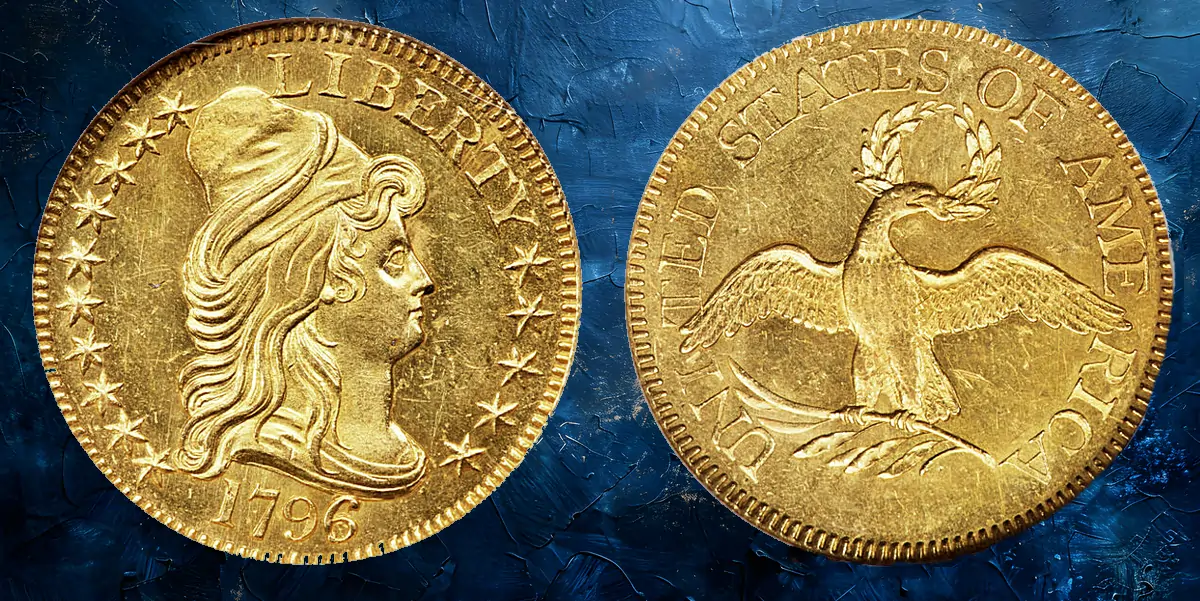
Coin collecting is about preserving history. Whether it’s a record-breaking 1796 Half Eagle or a dime coming out of the Philadelphia Mint tomorrow, we are just the temporary caretakers of these pieces of metal.
Don’t let a $0.05 plastic flip ruin a $500 coin. Take a look at your storage today. If it's soft, oily, or smells like a new shower curtain: get it out of there.
For more deep dives into the world of numismatics, be sure to tune into our numismatic podcast. We cover everything from market trends to the latest Mint releases.
Happy hunting, and keep those coins clean (and PVC-free)!
( Matt Dinger, The Coin Show)