
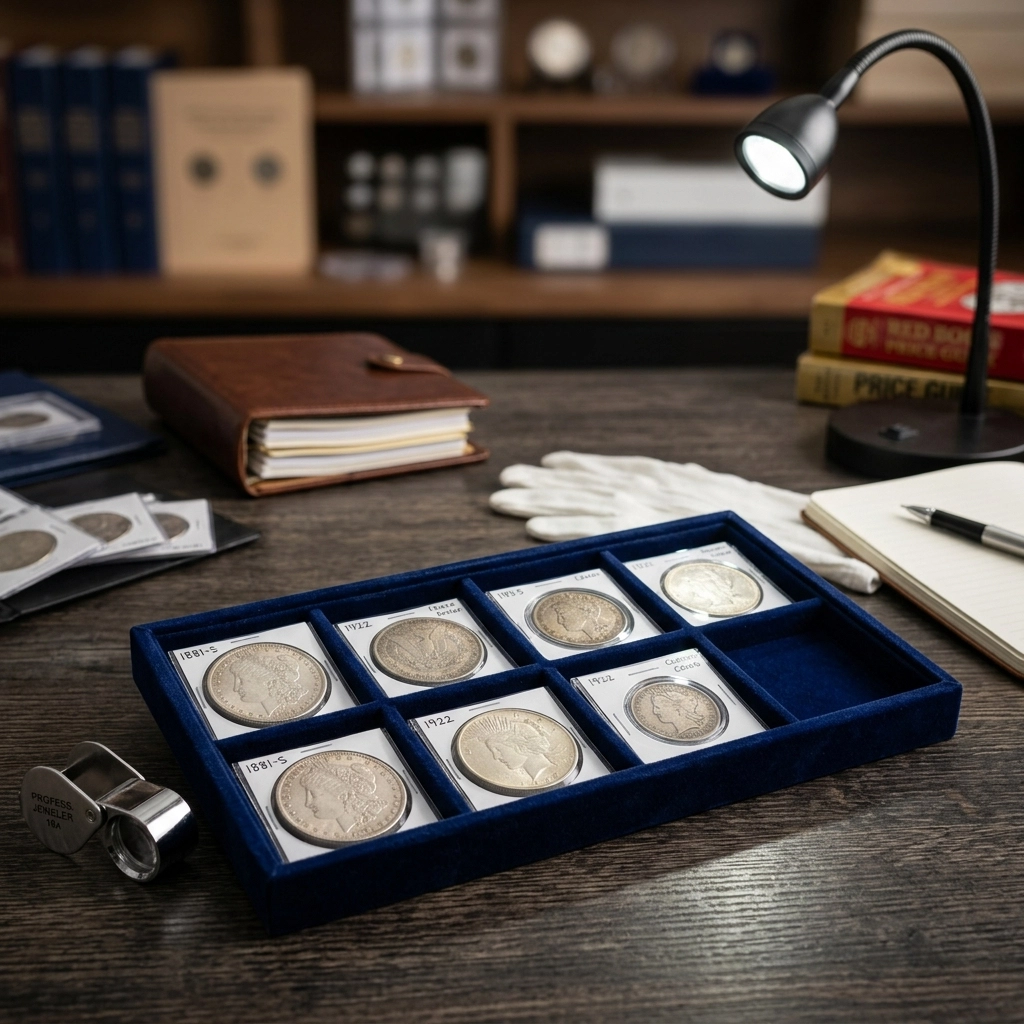
7 Mistakes You’re Making with Coin Storage for Collectors (and How to Fix Them)
Hey there, I’m Matt Dinger from The Coin Show. If you’re reading this, chances are you’ve got a jar, a box, or a safe full of history that you’re looking to protect. Welcome to 'The Daily Mint,' where we dive into the nitty-gritty of the hobby we all love.
One of the most frequent questions we get on our coin collecting podcast is: "How do I make sure my coins stay in the same condition I bought them in?" It sounds simple, but you’d be surprised how many veteran collectors are accidentally destroying their investments. Whether you’re holding onto a rare standing liberty quarter 1916 or just some cool pocket change, storage is the difference between a high-grade specimen and a "details" coin that’s lost its luster.
Let’s look at the seven biggest storage blunders and how you can fix them before the damage becomes permanent.
1. The "Golden Touch" (Handling with Bare Hands)
The biggest mistake happens before the coin even touches a holder. Most people want to feel the weight of the metal. I get it. But your skin is a chemistry lab. You’ve got oils, salts, and acids constantly weeping from your pores. When you touch a coin’s surface, you’re leaving a literal fingerprint of chemicals behind.
Over time, those oils react with the metal. On a silver coin, it might lead to dark, ugly spots. On a copper coin, it can cause "carbon spots" that eat into the surface.
The Fix: Always handle your coins by the edges: never the faces. Better yet, invest in a pair of lint-free white cotton gloves. If you want to get serious about ANA grading standards, you need to treat the surfaces as if they are wet paint.
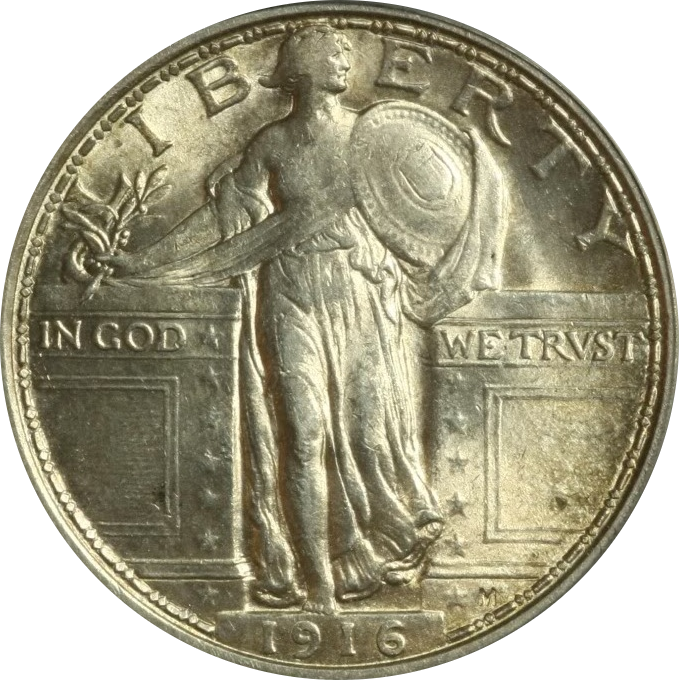
Look at the high points on a standing liberty quarter 1916. One oily thumbprint on the shield or the knee can ruin the eye appeal of a coin worth thousands.
2. The PVC Nightmare
If you’ve ever bought a coin in a soft, pliable, "smelly" plastic flip, you might be in trouble. Many of those soft flips contain Polyvinyl Chloride (PVC). Manufacturers use it to make the plastic flexible, but for numismatists, it’s poison.
As PVC ages, it breaks down and releases acidic gases. This creates a sticky, green slime on the surface of the coin. If left long enough, that slime will actually etch into the metal. Coin PVC damage is one of the most common reasons beautiful coins get rejected by grading services like PCGS or NGC.
The Fix: Only use archival-quality, non-plasticized Mylar flips. They are stiffer and don’t smell like a new shower curtain. If you see green goo on your coins already, don’t scrub it! Take it to a professional or listen to our numismatic podcast for tips on safe conservation.
3. The "Ziploc" Strategy
We’ve all seen it: a collection of silver dollars dumped into a plastic sandwich bag. This is a recipe for "bag marks." When coins are allowed to jingle against each other, they get tiny nicks and scratches.
Furthermore, those household bags aren’t designed for long-term storage. They can contain chemicals that react with the metal, and they provide zero protection against environmental moisture.
The Fix: Give each coin its own home. Use individual 2×2 cardboard holders (the kind you staple, but be careful with the staples!) or hard plastic capsules. For bulkier items, use dedicated coin tubes. If you’re wondering how to store coin collection items properly, "individualization" is the golden rule.
4. Using Rubber Bands
This is a classic "found in the attic" mistake. Someone keeps a roll of Buffalo nickels together with a rubber band. Twenty years later, that rubber band has melted into a crusty, black mess that is fused to the coins.
Rubber contains sulfur. When sulfur meets silver or copper, it causes rapid, aggressive toning that usually turns the coin a mottled, ugly black. It’s not the "rainbow toning" collectors pay premiums for; it’s corrosion.
The Fix: Throw away the rubber bands. Use plastic coin tubes or specialized storage boxes designed for the hobby. These are inexpensive and will save you a fortune in potential damage.
5. Dangerous Paper Envelopes
Not all paper is created equal. If you’re using standard office envelopes or craft paper to store your coins, you’re exposing them to bleach, glue, and acidic wood pulp. Like rubber bands, many papers contain sulfur which will tarnish your coins faster than you can say "numismatics."
The Fix: If you prefer paper for cataloging, look for acid-free, archival "sulfite-free" coin envelopes. These are specifically made for coin storage for collectors and won't react with the metal.
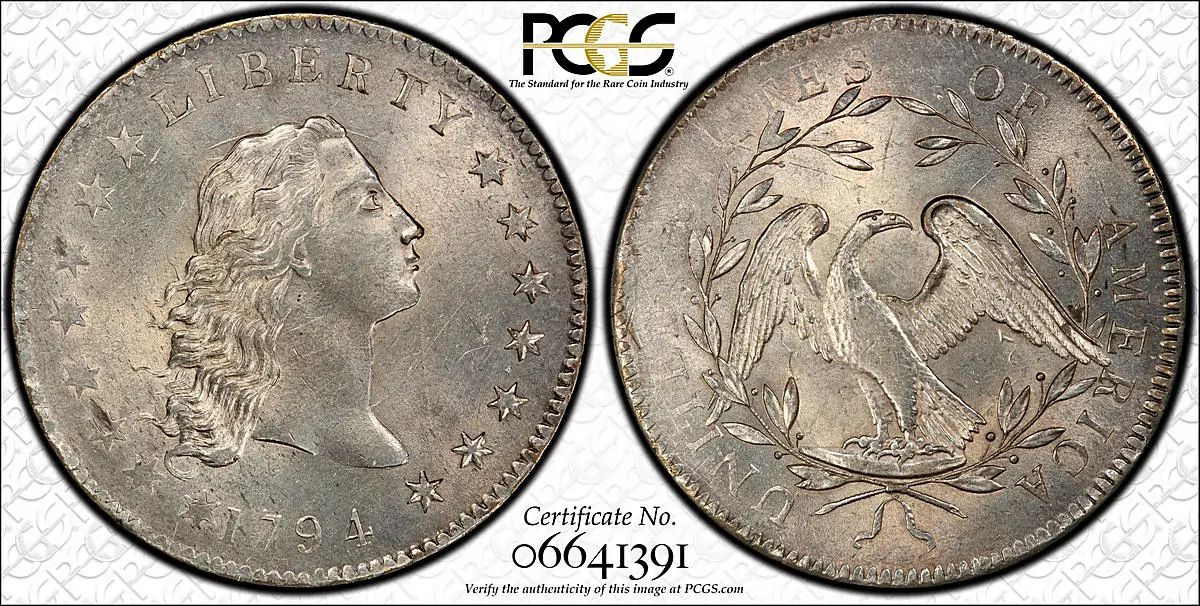
Think about the 1794 Flowing Hair Silver Dollar. A coin like this (worth millions) has survived centuries because it was kept away from reactive materials. You should treat your collection with that same mindset.
6. Ignoring the Environment (Heat and Humidity)
You might have the best holders in the world, but if you’re storing your collection in a damp basement or a sweltering attic, you’re asking for trouble. High humidity is the catalyst for almost every bad chemical reaction. It speeds up oxidation and can even cause some plastics to degrade faster.
The Fix: Store your coins in a "cool, dry place." A safe is great, but safes can actually trap moisture. We always recommend keeping a rechargeable silica gel dehumidifier pack inside your safe or storage box. Aim for a humidity level around 40-50%.
7. Cracking the Slab Unnecessarily
Third-party grading (TPG) slabs from companies like NGC or PCGS are the gold standard for protection. They are sonically sealed and made of inert materials. However, some collectors like to "crack" them out to put them in albums or to try and get a higher grade elsewhere.
Unless you are an expert in counterfeit coin detection and have a very specific reason for doing so, keep the coin in the slab. Once you crack it, you lose the guaranteed grade and the protection.
The Fix: If you want to see your coins in an album, buy "album-friendly" coins. Keep your high-value graded pieces in their holders. If you’re curious about the process, go to a local show. If you’ve ever wondered what is a coin show, it’s the best place to see thousands of "slabbed" coins and learn why that plastic is so valuable.
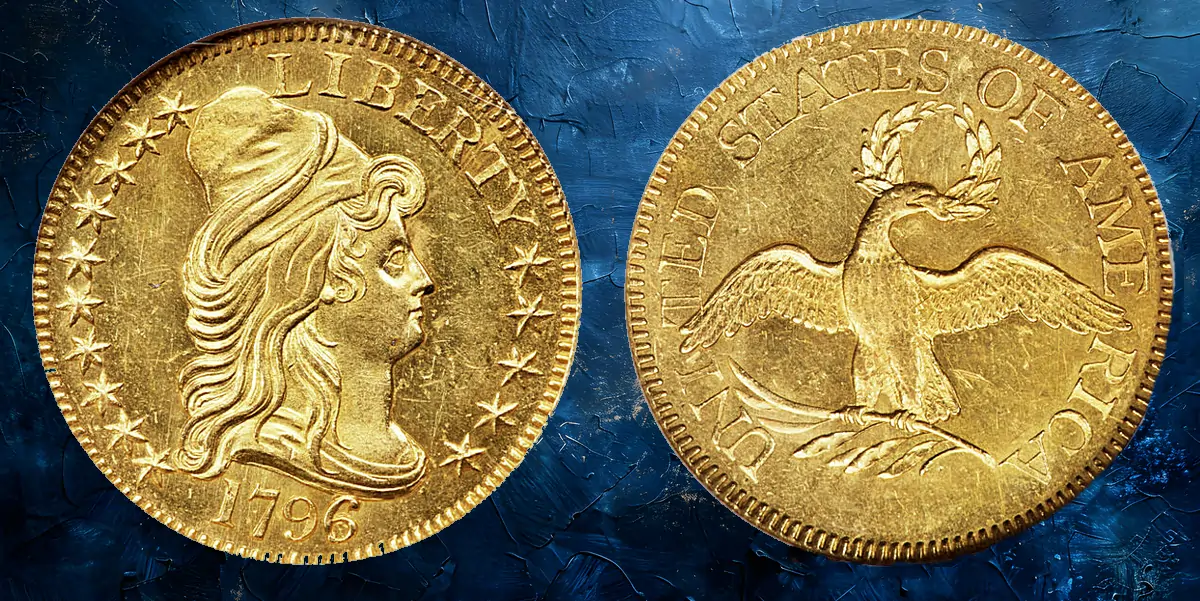
This 1796/5 Half Eagle is a perfect example of why slabs matter. Its condition is preserved perfectly inside that hard plastic shell, ensuring its record-breaking value stays intact.
Why This Matters for the Future
The hobby is changing. With new releases like the 1776-2026 Emerging Liberty Dime, the U.S. Mint is bringing in a whole new generation of collectors. If we don’t teach these coin collecting tips now, the great coins of tomorrow will be ruined by the mistakes of today.
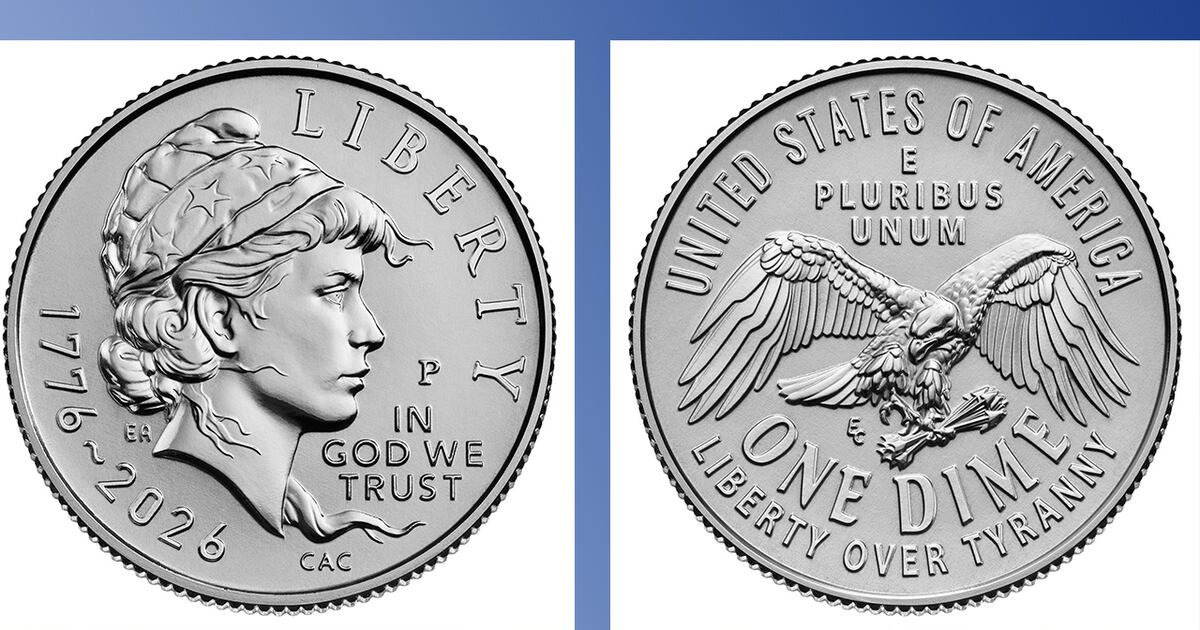
Whether you’re collecting the new 2026 redesigns or hunting for colonial coppers, your storage habits define your success as a collector.
Final Thoughts from the Booth
Proper storage isn't about spending a fortune on fancy cabinets. It’s about being mindful. Avoid PVC, keep your hands off the surfaces, and manage your humidity. If you do those three things, you’re already ahead of 90% of the people out there.
We talk about this kind of stuff every week on The Coin Show. If you want to stay updated on the latest in numismatics, hear interviews with the pros, or just listen to some guys talk shop about old metal, make sure to check out our coin collecting podcast.
Until next time, keep your hands clean and your flips Mylar. Happy hunting!