Boost Your Hobby Knowledge Instantly with These 5 Expert Coin Collecting Tips
Hey there, fellow collectors. Welcome to another edition of The Daily Mint. I’m Matt Dinger, and if you’ve tuned into our coin collecting podcast, you know that we’re all about making this hobby accessible, fun, and: most importantly: profitable for your brain and your wallet.
Today is Tuesday, April 28, 2026. It’s a great day to be a numismatist. We’ve just seen the release of the 1776-2026 Emerging Liberty Dime earlier this month, and the buzz in the community is electric. But whether you’re hunting for modern commemoratives or digging through colonial coppers, there are some fundamental "pro moves" that separate the experts from the casual accumulators.
If you want to level up your hobby game instantly, here are five expert coin collecting tips that will change the way you look at your pocket change and your prize pieces.
1. Master the Language of Condition (ANA Grading Standards)
In the world of numismatics, condition is king. You’ve probably heard people throw around terms like "Uncirculated," "Proof," or "MS-65." But if you don't understand the ANA grading standards, you’re essentially flying blind.
The American Numismatic Association (ANA) established a numerical scale from 1 to 70 to describe a coin's condition. A "1" is a coin that is barely identifiable, while a "70" is absolute perfection. Understanding where a coin sits on this scale determines its value.
Take a look at this masterpiece:
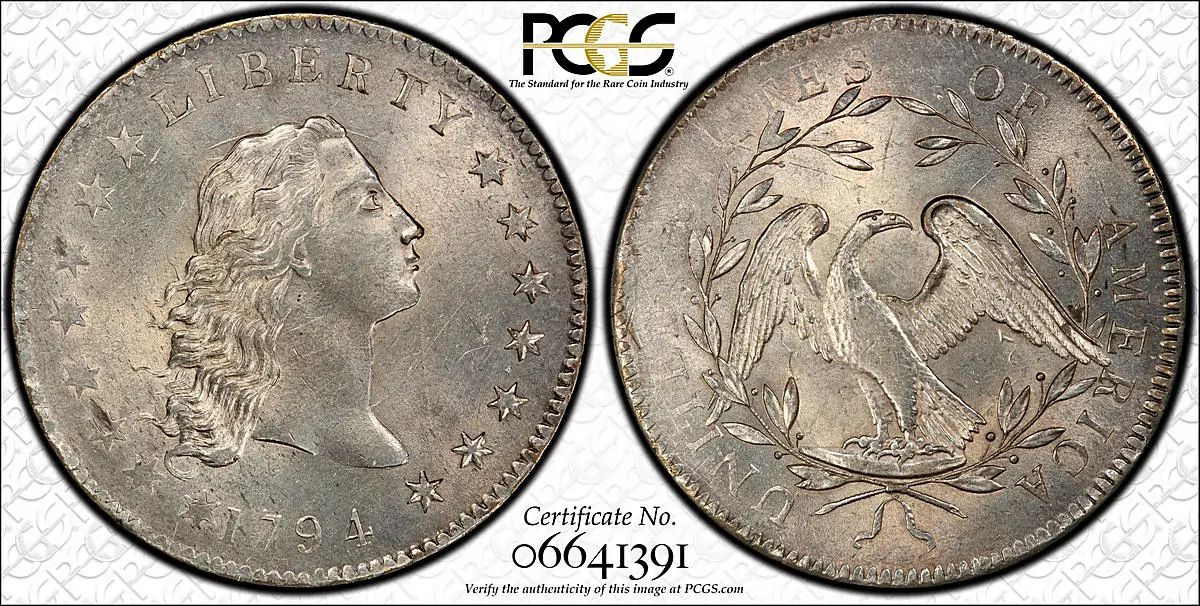
This is a 1794 Flowing Hair Silver Dollar. It’s the first dollar ever struck by the U.S. Mint. This specific example is graded MS63+. Because it’s in such incredible condition for its age, it recently fetched $4.5 million at auction. If this same coin were graded as "Very Good" (VG-8), it would still be worth a fortune, but nowhere near the multi-million dollar mark.
Expert Tip: Before you buy your next big coin, buy a grading guide. Learn how to spot "wear" on the high points of a design. On a Lincoln Cent, check the hair above the ear. On a Morgan Dollar, look at the breast feathers of the eagle. Knowing these details prevents you from overpaying for a coin that’s been cleaned or artificially enhanced.
2. Protect Your Assets: The War on PVC
Let’s talk about how to store coin collection items properly. If there is one villain in our hobby, it’s PVC (polyvinyl chloride).
Back in the day, many plastic flips: those little clear pockets we use to hold coins: were made with PVC to make them soft and pliable. Over time, the chemicals in the PVC break down and release an acidic green slime onto your coins. This is known as coin pvc damage, and it can permanently etch the surface of your silver and copper.
When looking at coin storage for collectors, always ensure your supplies are "PVC-free" or "archival safe."
- Mylar Flips: These are stiff and a bit more expensive, but they won't eat your coins.
- Hard Plastic Holders: Capsules like Air-Tites are great for high-value individual pieces.
- Albums: Use folders and albums from reputable brands like Dansco or Whitman, which are designed to be safe for long-term storage.
Never store your coins in a basement or an attic. Humidity is the enemy. A climate-controlled room and a few silica gel packets in your safe will go a long way in preserving that original mint luster.
3. Develop Your "Fake Radar"
Counterfeits are getting better every year. It’s not just the 1916-D Mercury Dimes you have to worry about anymore; even common bullion and modern commemoratives are being faked. Counterfeit coin detection is a skill every expert has honed.
One of the best ways to protect yourself is to listen to a numismatic podcast where experts discuss the latest "super-fakes" hitting the market. But on a basic level, you should always have three tools:
- A high-quality 10x loupe: To look for casting bubbles or weird "mushy" details.
- A digital scale: To check if the weight matches official Mint specifications to the hundredth of a gram.
- Calipers: To check the diameter and thickness.
If you’re looking at gold, the stakes are even higher. Check out this 1796/5 Half Eagle:
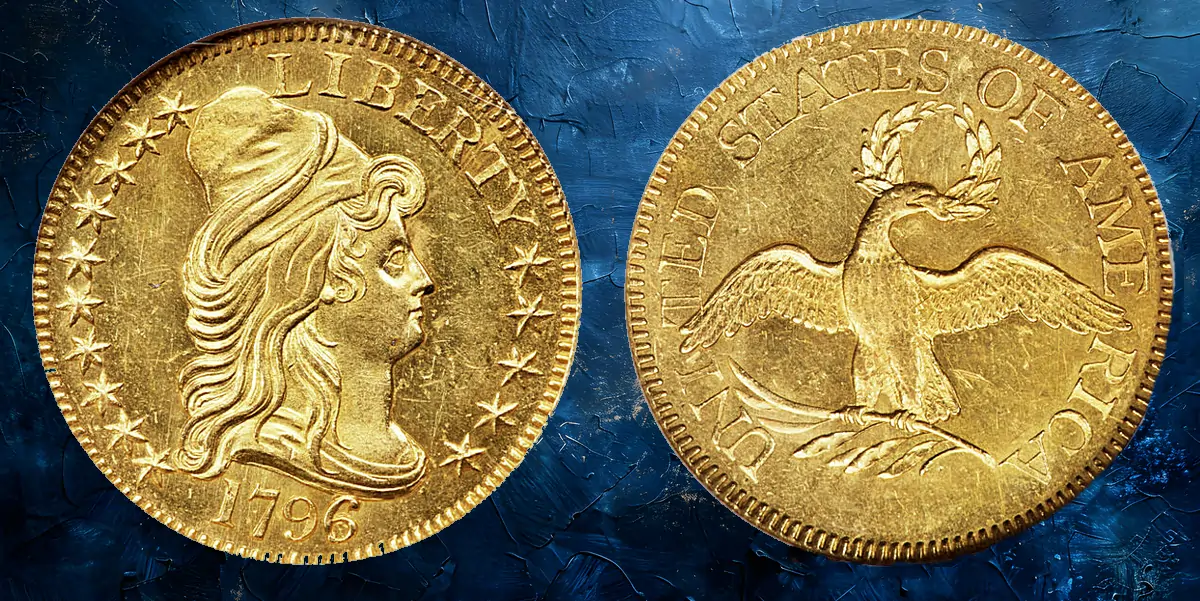
This is a record-breaking coin. When dealing with rarities of this caliber, the only way to be 100% sure is to buy coins that have been authenticated and "slabbed" by a third-party grading service like PCGS or NGC. If a deal seems too good to be true, it probably is.
4. Learn the Story Behind the Metal
The difference between a "accumulator" and a "numismatist" is knowledge of history. When you know why a coin was made, you understand its rarity better.
A perfect example is the standing liberty quarter 1916.
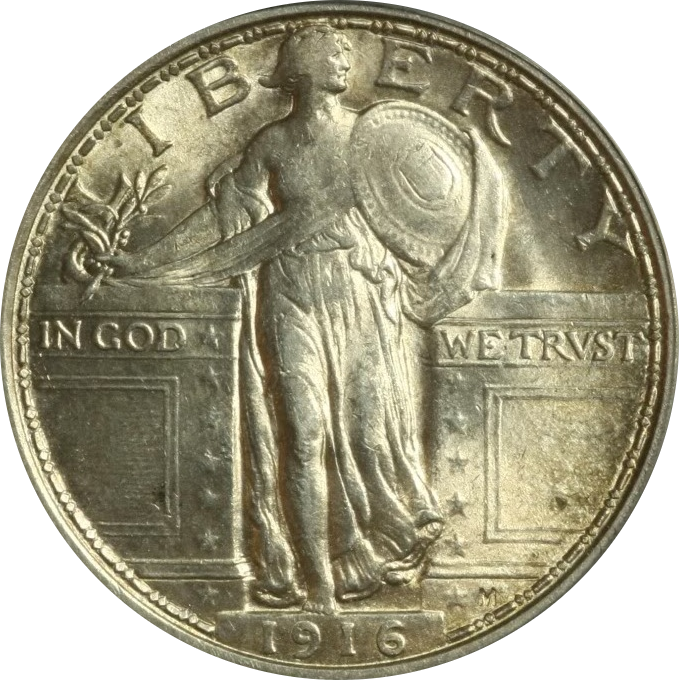
This coin is a legend. Designed by Hermon Atkins MacNeil, it was released late in 1916 with a tiny mintage of only 52,000 pieces. But the history gets even more interesting. The original 1916 design featured Liberty with a bare breast. By 1917, the design was modified to cover Liberty in chain mail: partly due to public outcry and partly because of the impending U.S. entry into World War I.
Because the 1916 mintage was so low and the design was changed so quickly, it became an instant rarity. When you hold a 1916 Standing Liberty, you aren’t just holding 6.25 grams of 90% silver; you’re holding a piece of American cultural shift.
5. Get Out of the House: The Power of the Coin Show
In the digital age, it’s easy to do all your collecting from a smartphone. But if you really want to boost your knowledge, you need to know what is a coin show.
A coin show is essentially a pop-up marketplace where dozens (or hundreds) of dealers set up tables to buy, sell, and trade. But more than that, it's a classroom. At a coin show, you can:
- Handle thousands of coins: Seeing coins in person is the only way to truly learn grading.
- Talk to experts: Most dealers are happy to share knowledge if you’re respectful of their time.
- Find the "junk box" treasures: Some of the best finds aren't in the glass cases; they're in the $5 bins.
- Network: Meeting other collectors can lead to private trades and tips on upcoming estate sales.
Being part of the community: whether it's at a local show or through a coin collecting podcast community: is how you stay ahead of market trends.
For instance, if you were at a show this month, everyone was talking about the new 2026 Dime:
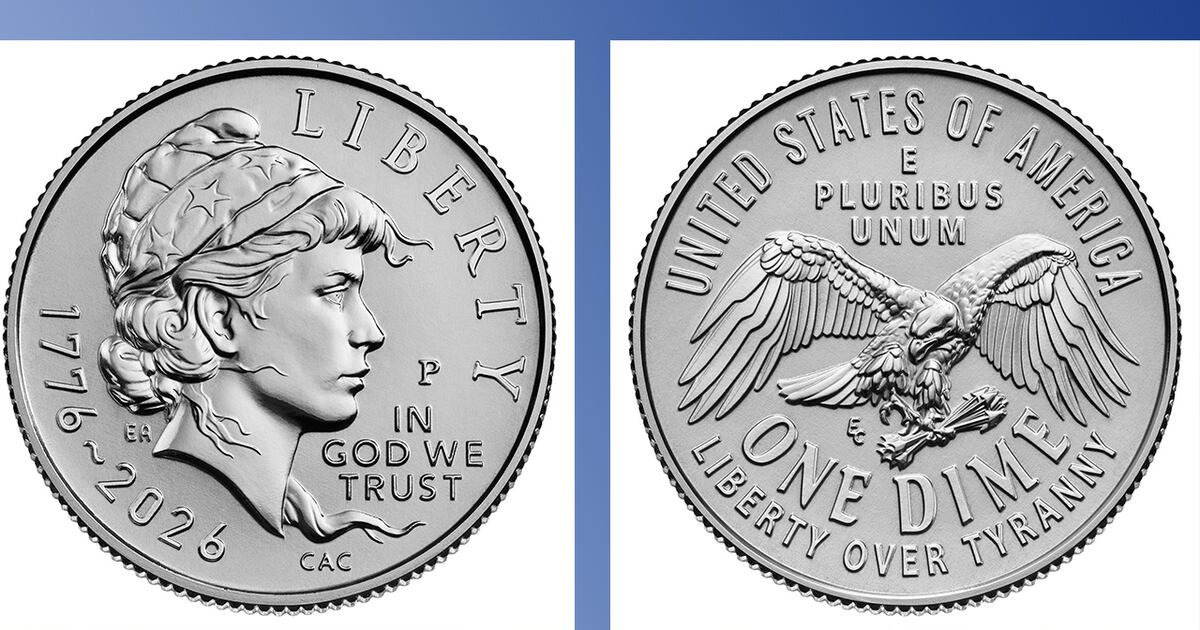
It’s the first major redesign of the circulating dime since 1946, and seeing it in person compared to the "official" photos is a totally different experience. Collectors are already looking for "First Strike" designations and potential die cracks.
Final Thoughts
Coin collecting is a marathon, not a sprint. You don't need a million dollars to be an expert; you just need a sharp eye and a bit of patience.
To recap:
- Study those ANA grading standards so you know what you’re buying.
- Avoid coin pvc damage by using archival-safe storage.
- Trust, but verify with counterfeit coin detection tools.
- Know your history: like the mintage secrets of the standing liberty quarter 1916.
- Get social! Go find out what is a coin show near you and join the conversation.
If you enjoyed these tips, make sure to subscribe to The Coin Show podcast. We dive deep into these topics every week, interviewing the biggest names in numismatics and helping you stay one step ahead of the curve.
Until next time, keep your eyes on the "W" mint marks and your coins out of the PVC. Happy hunting!