
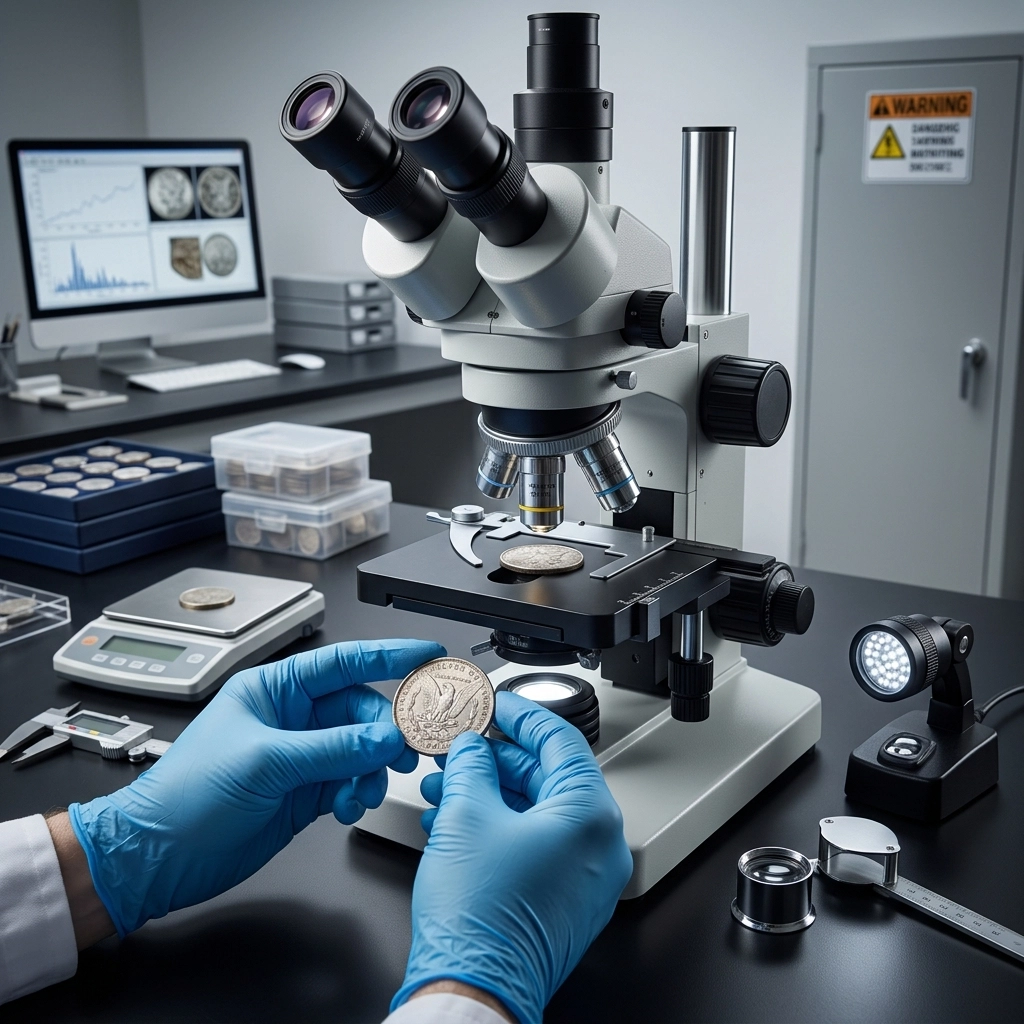
Counterfeit Coin Detection Secrets: The Simple Trick to Spotting Fakes Right Now
Hey there, and welcome to another edition of The Daily Mint. I’m Matt Dinger, and if you’ve ever listened to our coin collecting podcast, you know that nothing gets my blood boiling quite like a fake coin. Whether you’re a seasoned veteran or just started your journey into the world of numismatics, the fear of buying a "slug" is real.
Today is Monday, April 6, 2026, and the market is moving fast. With the big 250th-anniversary releases from the U.S. Mint just around the corner, more people are getting into the hobby. That’s great news for us, but it’s also an invitation for counterfeiters to try and slip a fast one past unsuspecting collectors.
You don't need a multi-million dollar lab to protect yourself. In fact, one of the best coin collecting tips I can give you is to trust your hands and your ears before you trust your eyes. Let’s dive into how you can spot the fakes right now with some simple, low-tech secrets.
The Weight of Truth: Your Best Friend is a Digital Scale
If you want to get serious about counterfeit coin detection, you need to stop guessing. The U.S. Mint doesn't "eyeball" the weight of a coin; they strike them to incredibly precise specifications.
The absolute simplest trick to spotting a fake? Weigh it. Most fakes are made of base metals like copper, zinc, or lead, and then plated with a thin layer of gold or silver. Because these metals have different densities than precious metals, the weight will almost always be off.
For example, a modern Silver American Eagle should weigh exactly 31.103 grams. If you put a coin on a digital scale (get one that measures to 0.01g) and it reads 28 grams, you don’t even need to look at it under a lens. It’s a fake. Even the most expensive rarities follow these rules.
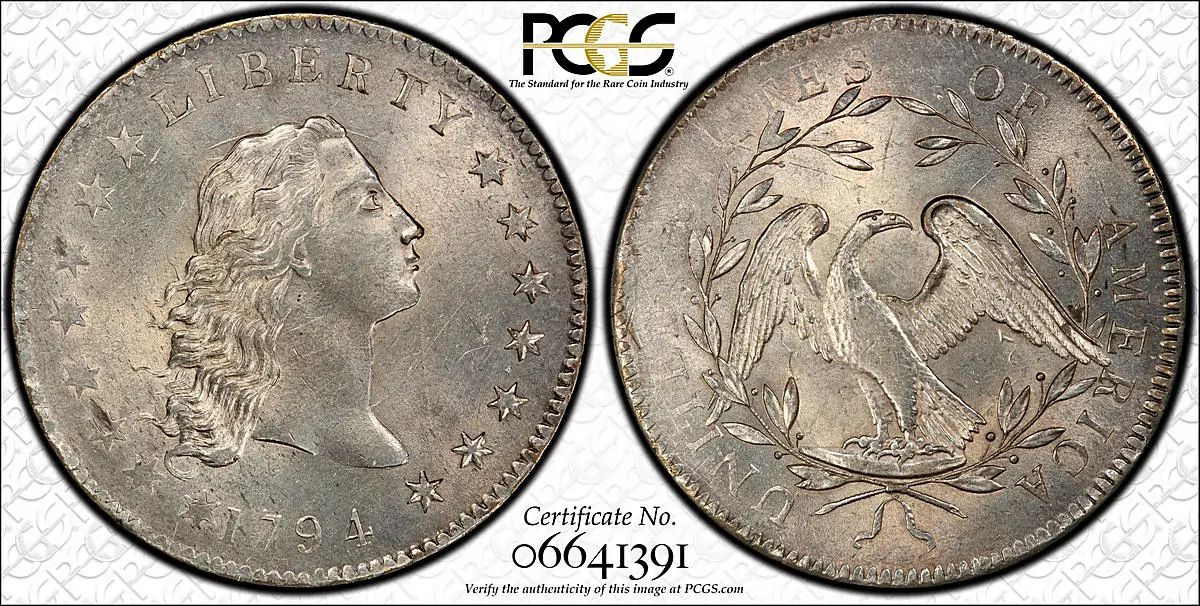
Take the 1794 Flowing Hair Silver Dollar, for instance. This was the first dollar struck by the U.S. Mint, and authentic examples are worth millions. If someone offers you one at a "bargain" price and the weight isn't dead-on to the 26.96-gram standard, walk away. Every milligram counts when you’re dealing with history.
The Magnetic "No-Go" Test
Another quick trick involves a tool you probably have on your fridge: a magnet. Specifically, a strong neodymium magnet.
Silver, gold, and copper are non-magnetic. If you hold a magnet up to a "silver" Morgan Dollar and it sticks, you’ve got a steel-core counterfeit. It’s a "no-go" test. If it sticks, it’s a fake. While some sophisticated fakes use non-magnetic base metals like brass, the magnet test is a five-second way to weed out the cheap, mass-produced junk.
The "Ping" Test: Listening for Silver
If you’ve been hanging around a numismatic podcast long enough, you’ve probably heard of the "ping" test. When you gently tap or flip a genuine silver or gold coin, it produces a high-pitched, long-lasting ring. Base metals, on the other hand, tend to produce a dull "thud."
Counterfeiters have a hard time replicating the unique resonance of precious metals. While I don't recommend dropping your high-grade proofs on a table to hear them ring, for raw bullion or circulated coins, the sound can be a dead giveaway.
Visual Cues and ANA Grading Standards
Once you’ve passed the weight and magnet tests, it’s time to bring out the magnification. A 10x loupe is the industry standard. When you look at a coin, you should be looking for "mushiness." Genuine coins are struck with immense pressure, resulting in sharp, crisp lines. Counterfeits: especially those made by casting: often look rounded or soft.
This is where ANA grading standards come into play. The American Numismatic Association has set the bar for how we describe a coin’s condition, but these standards also help us identify what a coin should look like. For example, if the mint mark on a rare coin looks like it was "glued on" rather than struck as part of the metal, you’re looking at an altered piece.
One of the most counterfeited coins in American history is the standing liberty quarter 1916.
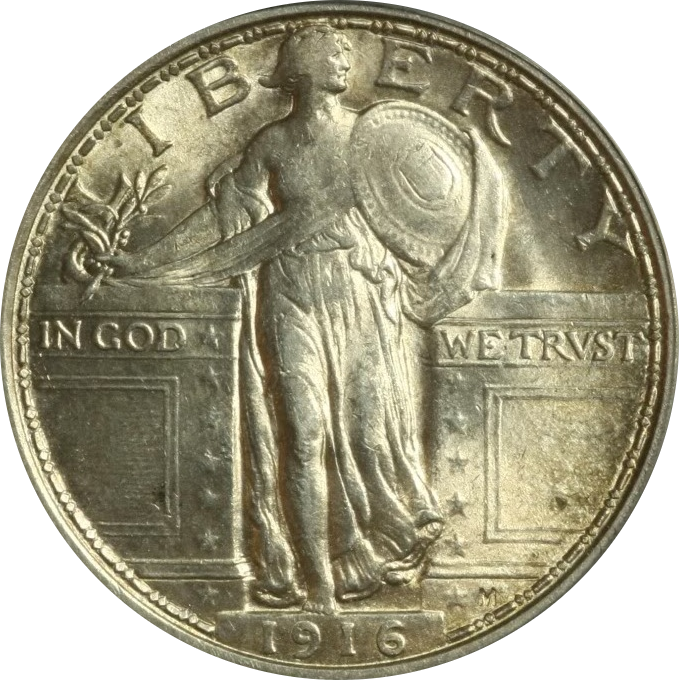
The 1916 Standing Liberty Quarter is a classic beauty, but because only 52,000 were made, fakers love to take a 1917 quarter and try to change the date. By knowing the specific design characteristics: like the lack of stars below the eagle on the reverse of the 1916: you can protect yourself from a very expensive mistake.
Coin Care: The Invisible Enemy (PVC)
Spotting a fake is about protecting your wallet today, but knowing how to store coin collection properly is about protecting your investment for tomorrow.
One of the biggest "stealth" killers in this hobby is coin pvc damage. For years, soft plastic flips were made with polyvinyl chloride (PVC) to make them flexible. Over time, that PVC breaks down and releases a chemical that eats into the surface of the coin, leaving a nasty green, sticky slime.
If you see green on your coins, get them out of those holders immediately! When considering coin storage for collectors, always look for "PVC-Free" or "Mylar" holders. Hard plastic slabs from grading services are best, but if you prefer flips, make sure they are the stiff, non-PVC variety. Your coins should be stored in a cool, dry place. Humidity is the enemy of copper and silver alike.
What is a Coin Show and Why Should You Go?
If you really want to sharpen your eye, you need to see coins in person. You might be wondering, what is a coin show? Simply put, it’s a gathering of dealers, collectors, and experts in one room. It’s like a massive pop-up museum where everything is for sale.
At a show, you can handle thousands of coins, talk to experts about counterfeit coin detection, and see the difference between a genuine rarity and a fake side-by-side. You can find out more about local events and the wider community over at coinshowradio.com. There is no substitute for the hands-on experience you get on a bourse floor.
Looking Forward: The 2026 Emerging Liberty Dime
As we celebrate the Sestercentennial this year, the U.S. Mint is releasing some incredible new designs. The most anticipated is the 1776-2026 Emerging Liberty Dime, set to release in just a few days on April 17th.
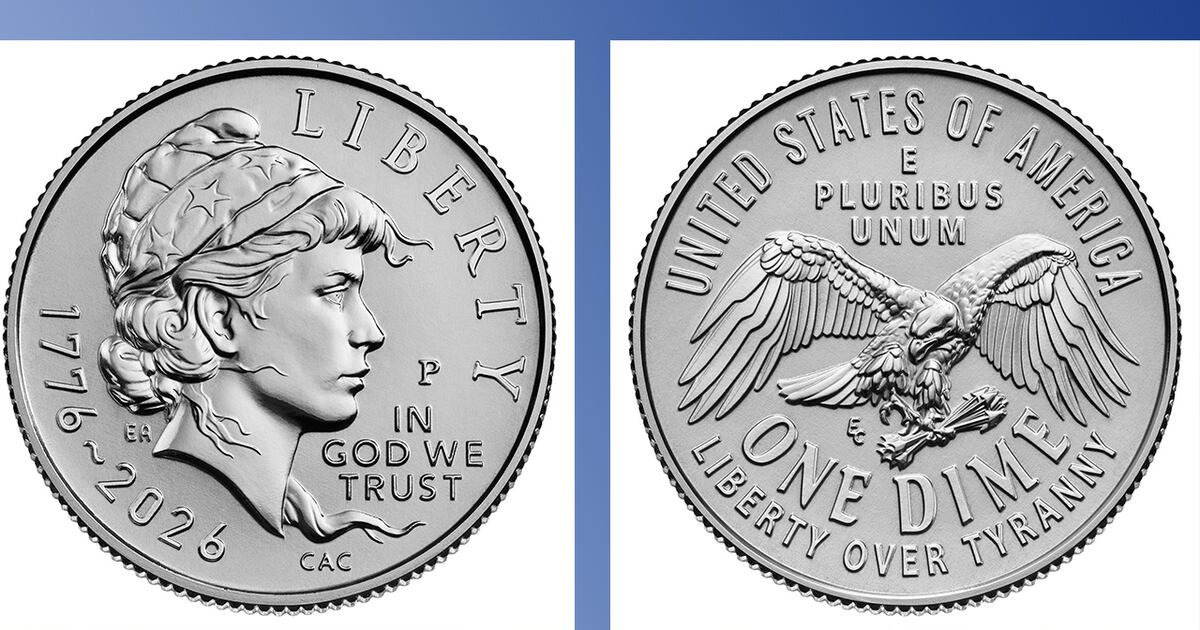
This is the first major redesign of the dime in 80 years. Modern coins like this come with advanced security features, including precise edge lettering and laser-engraved details that are nearly impossible for counterfeiters to get right. It’s a great time to be a collector, but even with these modern marvels, the old-school rules of inspection still apply.
Don't Let the Fakes Discourage You
Collecting is about the thrill of the hunt and the connection to history. Whether you're holding a record-breaking rarity or a simple silver dime, the joy is in the authenticity of the piece.
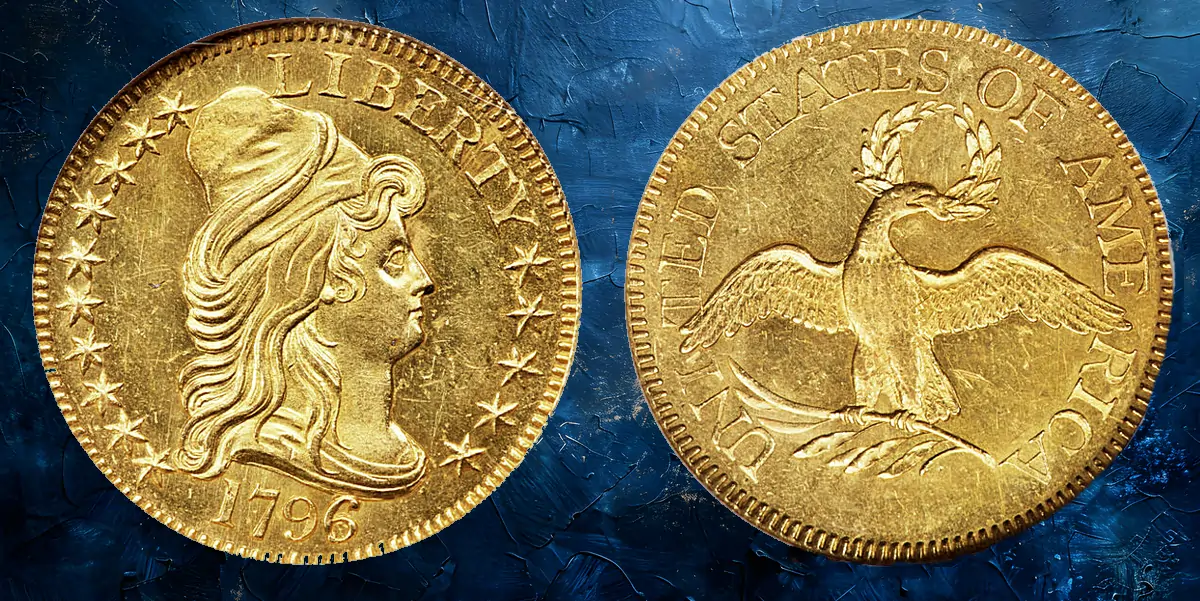
Look at this 1796/5 Half Eagle. It’s a masterpiece that recently fetched $12 million. While most of us won’t be keeping one of these in our pocket, the principles of numismatics remain the same across the board: verify, protect, and enjoy.
If you’re ever in doubt about a coin, don't be afraid to ask for help. Join a community, listen to a numismatic podcast, and keep learning. The more you know, the harder it is for a counterfeiter to ruin your day.
Stay sharp, keep those coins out of PVC, and I'll see you at the next coin show!
: Matt Dinger
Host of The Coin Show
Visit us at coinshowradio.com