
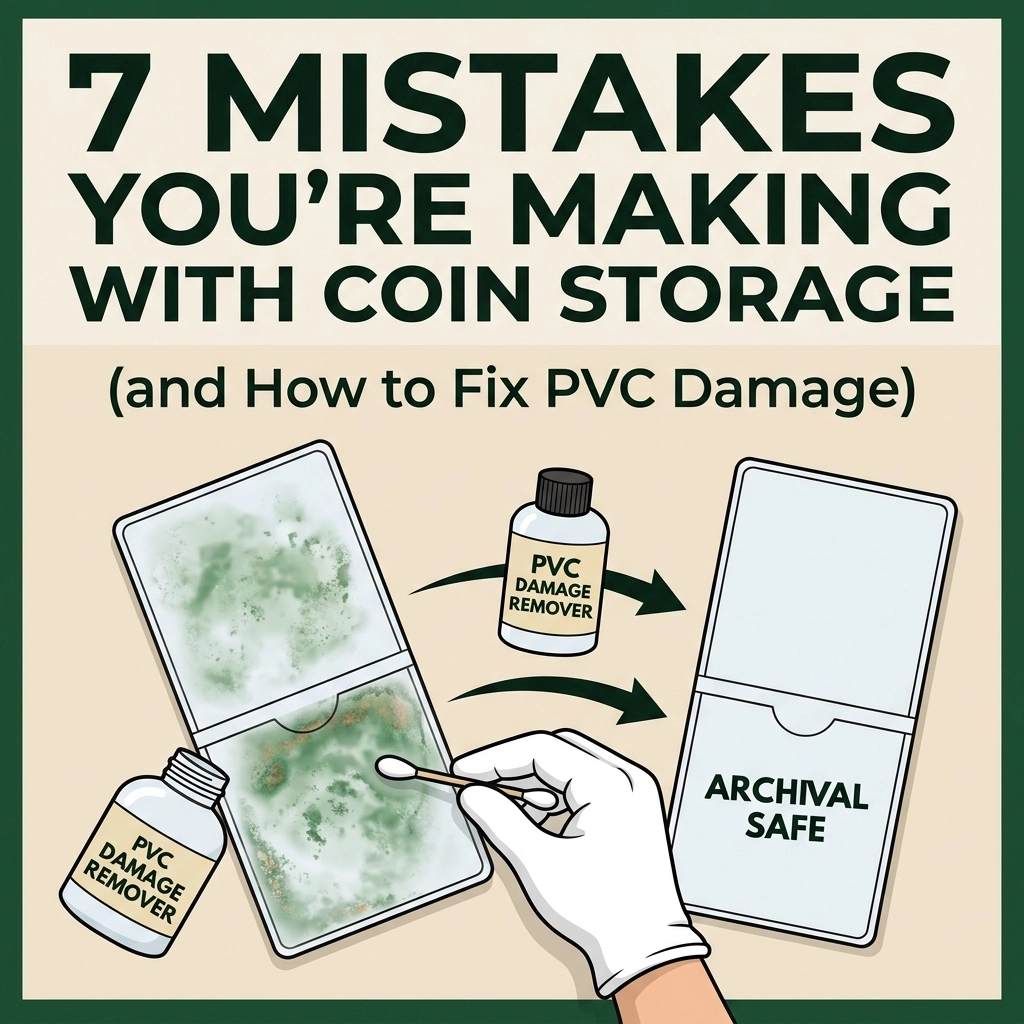
7 Mistakes You’re Making with Coin Storage (and How to Fix PVC Damage)
Hey there, fellow collectors. Matt Dinger here from The Coin Show. If you’re like me, you’ve spent a lot of time (and probably a decent chunk of change) hunting down that perfect addition to your collection. Whether it’s a high-grade Morgan Dollar or a piece of modern history like the new 2026 designs, the last thing you want is to open your safe and find your prizes have turned a sickly shade of "PVC Green."
Welcome to The Daily Mint. Today, we’re talking about the silent killers of a numismatic collection: bad storage habits. Storing coins isn't just about keeping them out of sight; it’s about preservation. If you’ve ever wondered why some coins stay bright and lustrous for 200 years while others look like they’ve been buried in a swamp after just five, this post is for you.
Here are the seven most common mistakes collectors make with their storage, and a guide on how to handle the dreaded PVC damage.
1. The "Soft Plastic" Trap (PVC)
This is the big one. If you’ve been in the hobby for a while, you’ve heard the term "PVC" thrown around like a dirty word. PVC, or polyvinyl chloride, is a plastic used in many inexpensive coin flips and holders to make them soft and pliable.
The problem? Over time, the plasticizers in PVC break down and release hydrochloric acid gas. This gas reacts with the copper in your coins (and yes, even gold and silver coins have some copper alloyed in), creating a sticky, green residue. This isn't just a surface stain; it’s a chemical reaction that can eat into the metal.
The Fix: Only use archival-quality, non-plasticized Mylar flips. If a holder feels soft and "greasy" or smells like a new shower curtain, get your coins out of there immediately.
2. Bare-Hand Handling
We’ve all seen the movies where the treasure hunter grabs a gold coin with their bare hands. In the real world, that’s a nightmare. Your skin is covered in natural oils, salts, and acids. When you touch the "field" (the flat background) of a coin, those oils transfer to the metal.
Initially, you won’t see anything. But months or years later, those oils will oxidize, leaving a permanent, brownish fingerprint that can never be fully removed without ruining the coin's value.
The Fix: Handle coins only by their edges between your thumb and forefinger. Even better? Wear lint-free cotton or nitrile gloves. When we talk about coin collecting tips on our numismatic podcast, this is usually lesson number one.
3. Ignoring the Environment (The Attic and Basement)
Where you keep your collection matters just as much as what you put it in. Many collectors hide their stash in the attic or the basement for security. Unfortunately, these are usually the worst places for metal.
High humidity causes corrosion and "milk spots" on modern silver. Temperature swings can cause holders to expand and contract, potentially letting in air and moisture. Salt air is another killer if you live near the coast.
The Fix: Store your collection in a "cool, dry place." Ideally, a room with a stable temperature and low humidity. If you use a safe, toss in a few silica gel packs to keep the moisture levels down.
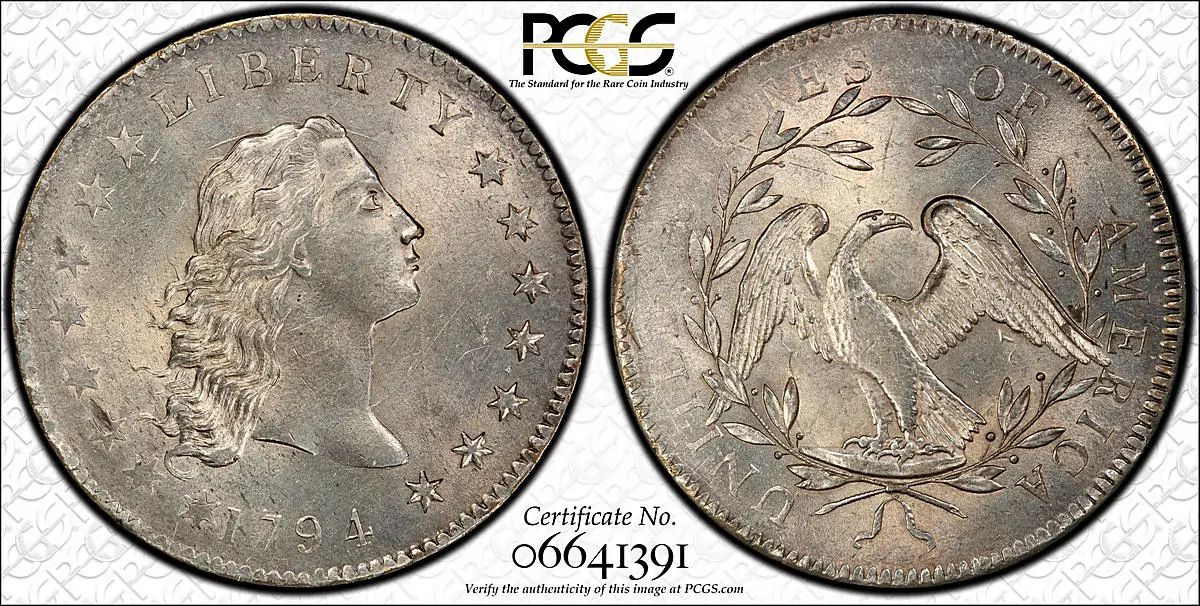
Even a coin as legendary as the 1794 Flowing Hair Silver Dollar: which sold for $4.5 million: requires pristine environmental conditions to maintain its MS63+ grade.
4. The "Cleaning" Instinct
If you find a dirty coin, your first instinct might be to grab some polish or a soft cloth. Stop.
In the world of professional numismatics, a "cleaned" coin is a damaged coin. Cleaning removes the "mint frost" or "cartwheel luster" that occurs during the striking process. Once that luster is gone, the coin's value can drop by 50% or more. ANA grading standards are very strict about this; a coin that shows signs of abrasive cleaning will be flagged and given a "Details" grade rather than a numerical one.
The Fix: If a coin is dirty, leave it alone. If it has active PVC residue, you can use a professional conservation service or, if you're experienced, a pure acetone bath (more on that below).
5. Using Household Supplies (Rubber Bands and Paper)
Never, ever use household items to organize your coins. Rubber bands contain sulfur, which causes rapid and ugly toning (sometimes turning a coin completely black). Standard paper envelopes and cardboard boxes also contain acids and sulfur that will damage the metal over time.
The Fix: Invest in proper coin storage for collectors. This means acid-free paper, PVC-free plastic, and specialized coin tubes.
6. Falling for Counterfeits Due to Poor Lighting
This is a storage-adjacent mistake. If your "workspace" where you examine and catalog your coins has poor lighting, you’re going to miss things. Counterfeit coin detection requires high-powered magnification and excellent, directional light to spot the "mushy" details or casting bubbles that give away a fake.
The Fix: Set up a dedicated desk with a high-quality lamp and a 10x loupe. When you're thinking about how to store coin collection items, make sure you have a space to inspect them before they go into long-term storage.
7. Not Cataloging Your Collection
A collection isn't just a pile of metal; it’s an archive. Many collectors make the mistake of having no record of what they own, what they paid, or where they got it. This makes it impossible to track value or file an insurance claim if something goes wrong.
The Fix: Use a digital spreadsheet or a dedicated numismatic app. Keep photos of your coins and records of their grades. This is especially helpful when you head to what is a coin show, so you don't accidentally buy duplicates of what you already have.
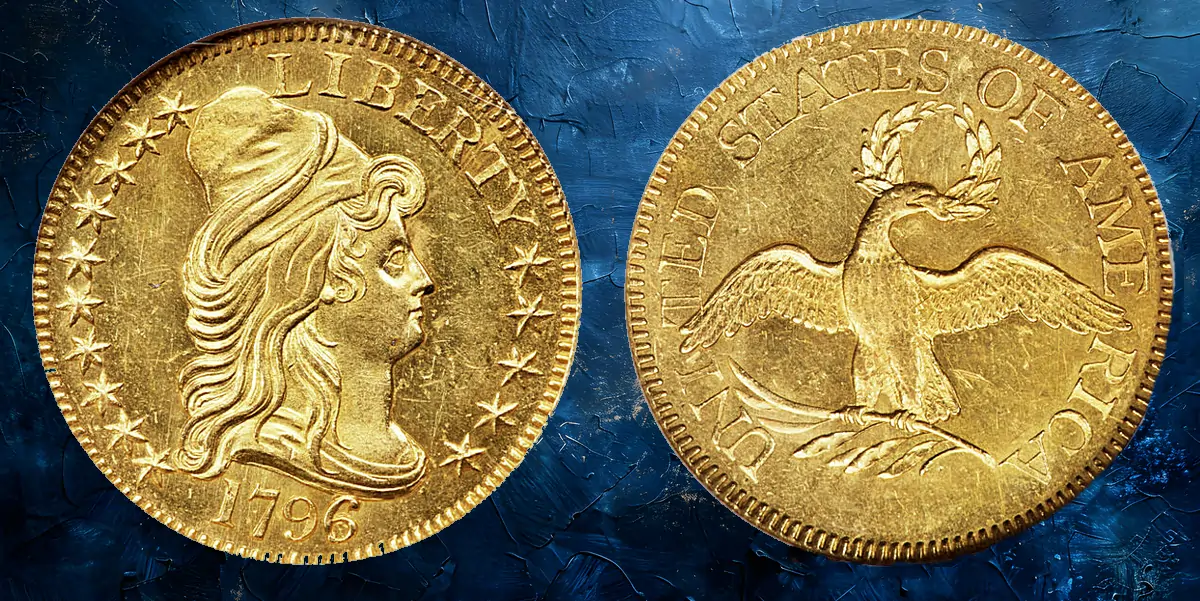
High-value items like this 1796/5 Half Eagle require meticulous documentation and provenance tracking to reach record-breaking auction prices.
How to Fix PVC Damage (The Acetone Bath)
If you’ve discovered that sticky green goo on your coins, don't panic. If the damage hasn't pitted the metal yet, you might be able to save it.
Note: This process is only for "conservation," not "cleaning." Use only 100% pure acetone (found at hardware stores), not nail polish remover, which contains perfumes and oils.
- Preparation: Work in a well-ventilated area. Use a glass container (acetone melts plastic).
- The Soak: Submerge the coin in the acetone for a few minutes. You can gently swirl the liquid.
- The Rinse: Rinse the coin in a fresh bath of pure acetone.
- The Dry: Let the coin air dry on a soft, lint-free cloth. Do not rub the coin!
If the green goo is gone and the metal underneath looks okay, you've successfully conserved the coin. Immediately place it in a PVC-free Mylar flip.
Historical Spotlight: The Standing Liberty Quarter 1916
When we talk about storage and condition, we have to mention the Standing Liberty Quarter 1916. This coin is a legend in the hobby, not just for its rarity, but for its beauty. When it was first released, the design by Hermon MacNeil caused a bit of a stir because Liberty's right breast was exposed. The design was quickly modified in 1917 to cover her with chain mail.
Because the 1916 has a very low mintage (only about 52,000 struck), finding one in high grade is a dream for many. However, the date on these early versions was "raised" on the design, meaning it wore off very quickly in circulation.
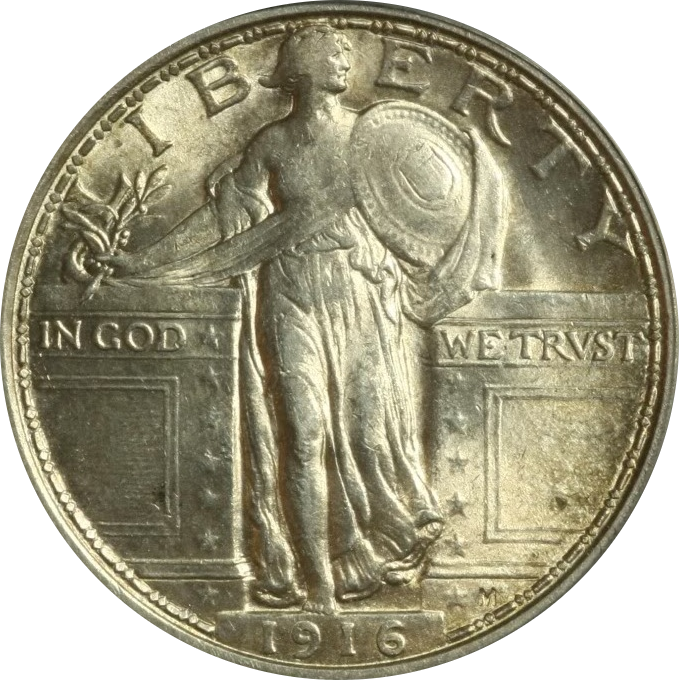
If you are lucky enough to own a 1916 Standing Liberty, storage is paramount. These coins are prone to "flatness" in the strike, and any environmental damage to that delicate 1916 date can destroy the coin's value entirely.
Looking Toward the Future: 2026 and Beyond
As we sit here in April 2026, the hobby is buzzing about the Semiquincentennial. The U.S. Mint has released some incredible designs to celebrate 250 years of American independence. One of the most talked-about is the new 1776-2026 Emerging Liberty Dime.
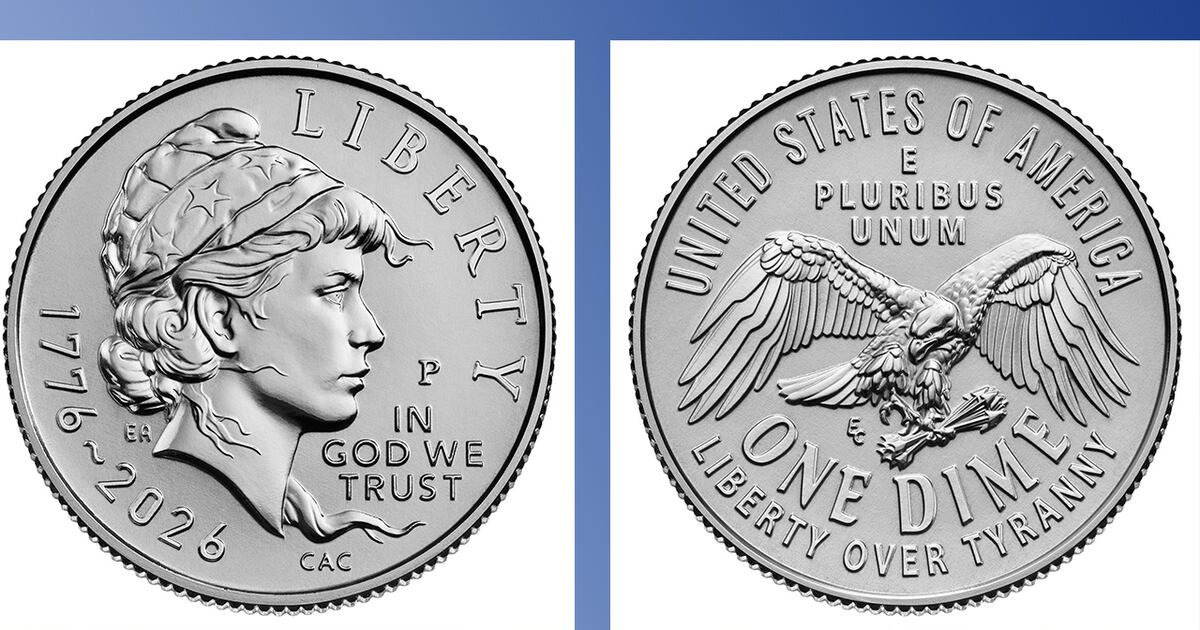
This is the first major redesign of the circulating dime in 80 years. If you’re pulling these out of bank rolls or buying Mint Sets, start your storage habits right from day one. Don't let these modern beauties fall victim to the same mistakes that ruined the Morgans and Peace Dollars of the past.
Final Thoughts
The best way to learn more about protecting your investment is to stay active in the community. Listen to a coin collecting podcast or a numismatic podcast like ours to stay updated on the latest in storage technology and market trends.
Coin collecting is a marathon, not a sprint. By avoiding these seven storage blunders, you’re ensuring that your collection remains a source of pride (and value) for decades to come.
Thanks for reading The Daily Mint. I'm Matt Dinger, and I'll see you at the next coin show. Happy collecting!