
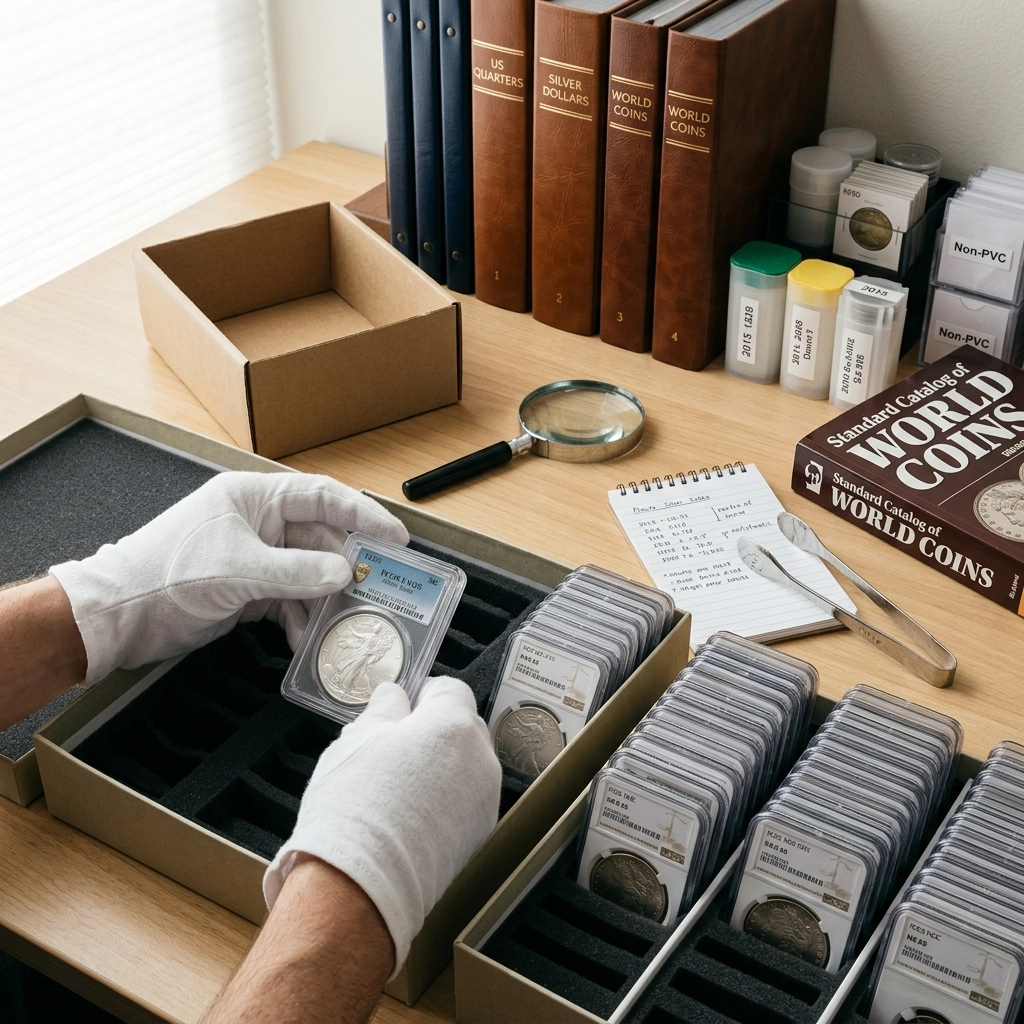
The Ultimate Guide to Coin Storage for Collectors: Everything You Need to Succeed
Hey there, and welcome back to The Daily Mint. I’m Matt Dinger, your host over at The Coin Show podcast. If you’ve spent any time listening to our numismatic podcast, you know we’re obsessed with the history, the hunt, and the beauty of these little metal discs. But there is one thing that can turn a "treasure find" into a "heartbreak story" faster than a market crash: bad storage.
You wouldn’t buy a vintage Ferrari and leave it parked in a swamp, right? Well, your coin collection is no different. Whether you’re holding onto a rare 1916 Standing Liberty Quarter or just a handful of cool Lincoln cents you found in change, how you store them today determines their value tomorrow.
Today, I’m breaking down the ultimate coin storage for collectors. We’re going to look at the "do’s," the "definitely don’ts," and the "why-is-my-coin-turning-green" mysteries.
Why Coin Storage Matters
When we talk about coin collecting tips, storage is usually the boring part. People want to talk about "the big find" or "counterfeit coin detection." But here is the reality: a coin’s grade, and therefore its value, is a snapshot in time. If you expose that coin to the wrong environment, that MS-65 grade can slowly crawl down to an "environmental damage" details grade.
Proper storage protects your coins from three main enemies: physical damage (scratches and dings), environmental damage (humidity and heat), and chemical damage (the dreaded PVC).
The Environment: Where You Put Your Coins
Before we even talk about plastic or cardboard, we have to talk about the room. Most people naturally want to hide their coins in a basement or an attic. Stop right there.
Basements are moisture factories. Attics are ovens. High humidity causes oxidation (toning), and in some cases, it can lead to unsightly spotting or corrosion. Extreme heat can accelerate chemical reactions between the coin and its holder.
The best place to store your collection is a cool, dry area with a stable temperature. A closet in a climate-controlled part of your house is usually your best bet. If you live in a humid area, throw a few silica gel packs into your storage bin. It’s a cheap way to keep the air dry.
The Biggest Villain: Coin PVC Damage
If you take nothing else away from this guide, remember this: No PVC.
Back in the day, many coin "flips" (those clear plastic pouches) were made with polyvinyl chloride (PVC). To make the plastic soft and pliable, manufacturers added chemicals called plasticizers. Over time, these chemicals leak out of the plastic and onto the surface of your coin.
How do you know if you have coin PVC damage? Look for a green, slimy, or cloudy film on the coin. It often smells a bit like a new shower curtain. If you catch it early, a professional conservator can sometimes save the coin, but if left too long, it will permanently etch the metal.
When you’re buying supplies at a coin show or online, always look for "PVC-free" or "unplasticized" (uPVC) materials. Mylar is your best friend here. It’s a bit stiffer and more brittle, but it won’t eat your coins.
Choosing Your Holders
Not all collections are created equal. A "junk silver" bag of mercury dimes doesn't need the same treatment as a six-figure rarity. Here’s a breakdown of the standard options for coin storage for collectors.
2×2 Cardboard Flips
These are the bread and butter of the hobby. They are cheap, easy to write on, and fit into standard binder pages.
- The Pro Tip: If you use the staple-type flips, make sure you use a pair of pliers to flatten the staples. This prevents the sharp metal edges from scratching other coins when you stack them or slide them into pages.
Hard Plastic Capsules
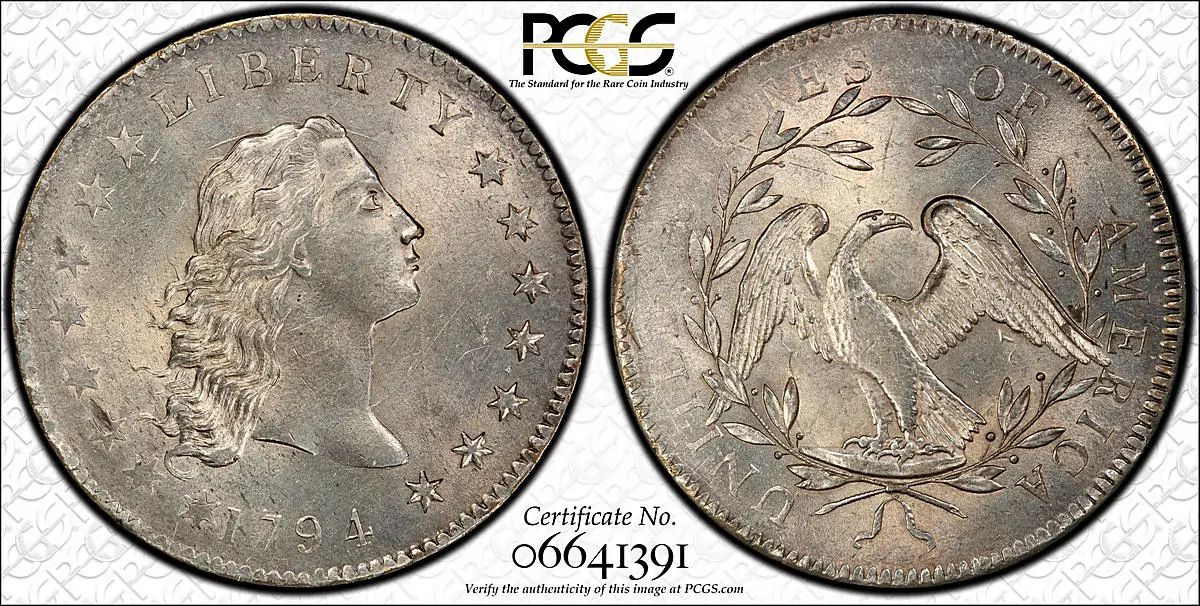
If you have a coin you really care about, like a beautiful 1794 Flowing Hair Silver Dollar (hey, we can dream, right?), a hard plastic capsule is a great step up. These are airtight and protect the coin from both physical impact and the air.
Coin Tubes
If you’re stacking silver eagles or common-date Buffalo nickels, tubes are the way to go. They save space and keep the coins from rattling around. Just make sure the tubes themselves are made of archival-safe plastic (like polypropylene).
Albums vs. Folders
Folders (the blue ones we all had as kids) are great for beginners, but they only show one side of the coin and offer zero protection from the air. Albums (like Dansco or Whitman sets) usually have plastic slides that protect both sides of the coin. They are excellent for organizing but be careful when sliding those plastic strips: if there’s a piece of grit on the coin, the slide will drag it across the surface and leave a "slide mark."
Professional Grading and Slabs
For the high-end stuff, there is no substitute for a professional slab. When a coin is sent to a service like PCGS or NGC, they evaluate it based on ANA grading standards. Once graded, the coin is sonically sealed in a hard plastic holder.
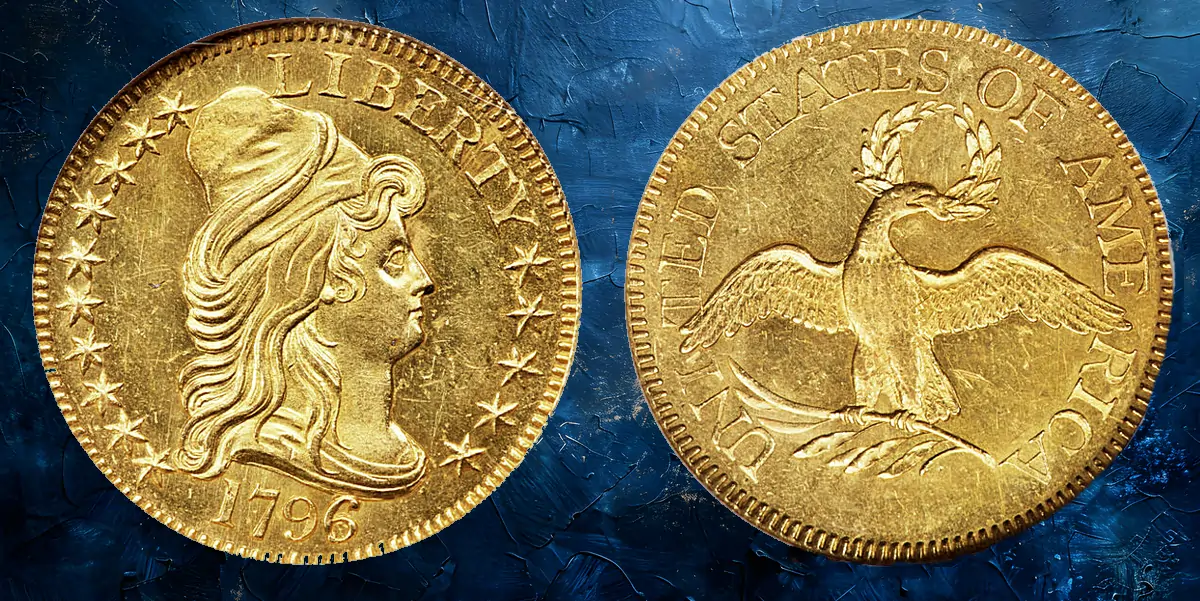
These "slabs" are the gold standard for protection. They make counterfeit coin detection easier because the slab itself has security features, and they are generally the most airtight option available. If you’re looking at a coin like the 1796/5 Half Eagle: which recently fetched a record-breaking price: you better believe it’s in a slab.
A Lesson from History: The 1916 Standing Liberty Quarter
Let’s talk history for a second. The 1916 Standing Liberty Quarter is one of the most famous coins in American history. It was the first year of the design by Hermon MacNeil, and only 52,000 were minted.
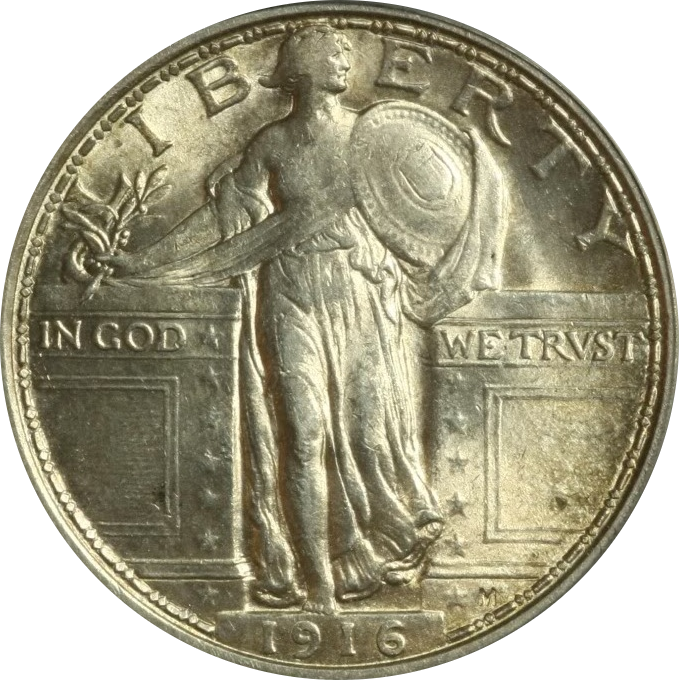
Many of these coins were lost to circulation because the date was positioned on a high point of the design, causing it to wear off quickly. But many others were lost to poor storage. Collectors back then didn't have the archival-safe plastics we have today. A 1916 SLQ that spent fifty years in a cheap, sulfur-heavy paper envelope might come out looking dark, pitted, or "environmental damage" black.
When you’re holding a piece of history like that, you aren't just the owner; you’re the caretaker. Proper storage ensures that when the next generation of collectors finds this coin, it still looks as stunning as it does today.
What is a Coin Show and Why Should You Go?
If you’re feeling overwhelmed by all these options, the best thing you can do is find a local show. What is a coin show? It’s basically a giant room filled with dealers, collectors, and: most importantly: supplies.
Going to a show allows you to actually feel the difference between a cheap flip and a high-quality Mylar one. You can talk to the veterans about their storage setups. Most coin shows will have dedicated supply dealers who carry everything from basic cardboard 2x2s to high-end mahogany cabinets. Plus, it’s a great place to listen to the latest gossip that we usually cover on our coin collecting podcast.
Emerging Tech: The 2026 Liberty Dime
As we sit here in April 2026, we’re seeing a whole new wave of collectors entering the hobby thanks to the 1776-2026 Emerging Liberty Dime. This redesign is the first major change to the dime in 80 years!
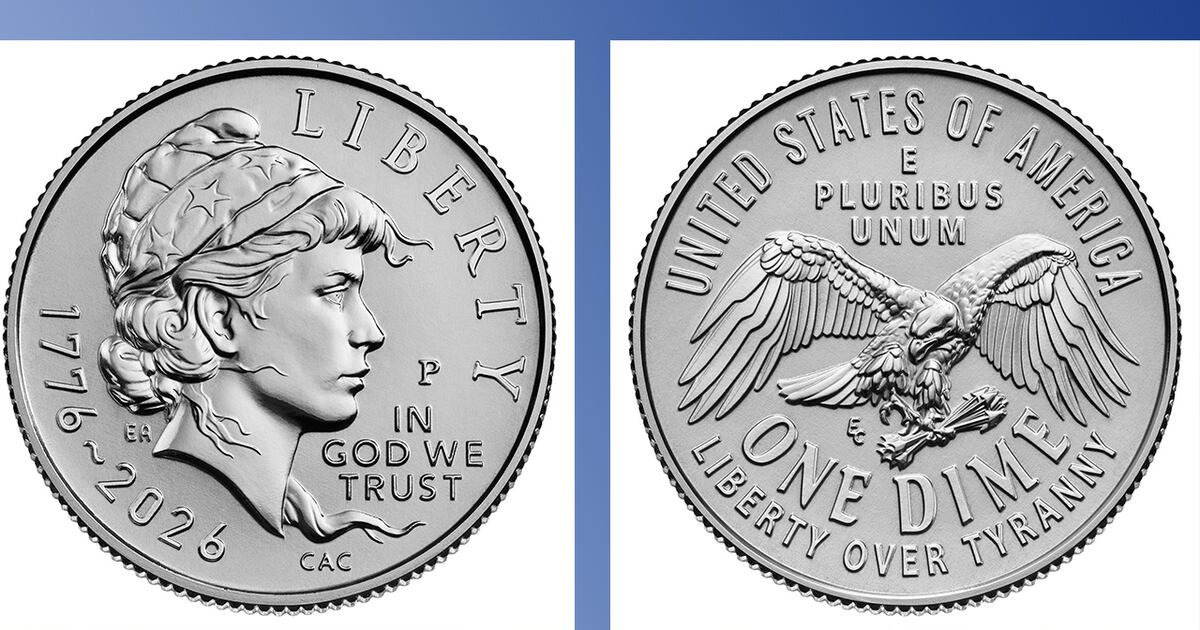
If you’re lucky enough to snag some of these in Mint State, don't just toss them in a jar. Even modern coins can develop "milk spots" or ugly toning if they are exposed to fingerprints or high humidity. Always handle your coins by the edges, and get them into a protective holder as soon as possible.
Security: The "Hidden" Side of Storage
Storing coins isn't just about chemistry; it’s about security. As your collection grows in value, a simple shoebox in the closet might not cut it.
- Safes: A fire-rated safe is a great investment. However, be aware that some fire-rated safes use a "wet" insulation that can actually increase the humidity inside the safe. Always use a desiccant (silica gel) inside.
- Safety Deposit Boxes: For your truly rare pieces, a bank vault is the safest place. Just remember that you can't look at them whenever you want!
- Insurance: Once your collection hits a certain value, check your homeowner’s insurance. Most standard policies have very low limits for "money/bullion." You might need a specific numismatic rider or a separate policy.
Final Thoughts
The way you store your coin collection says a lot about what kind of collector you are. Taking the time to use the right materials and monitor the environment isn't just "busy work": it’s an investment.
If you want more coin collecting tips or want to hear us dive deep into specific coin histories, make sure to tune into The Coin Show. We’re the numismatic podcast that keeps it real, keeps it fun, and keeps your coins safe from the "green slime" of the world.
Now, go check those old binders. If you smell a shower curtain, you know what to do. Happy collecting!