
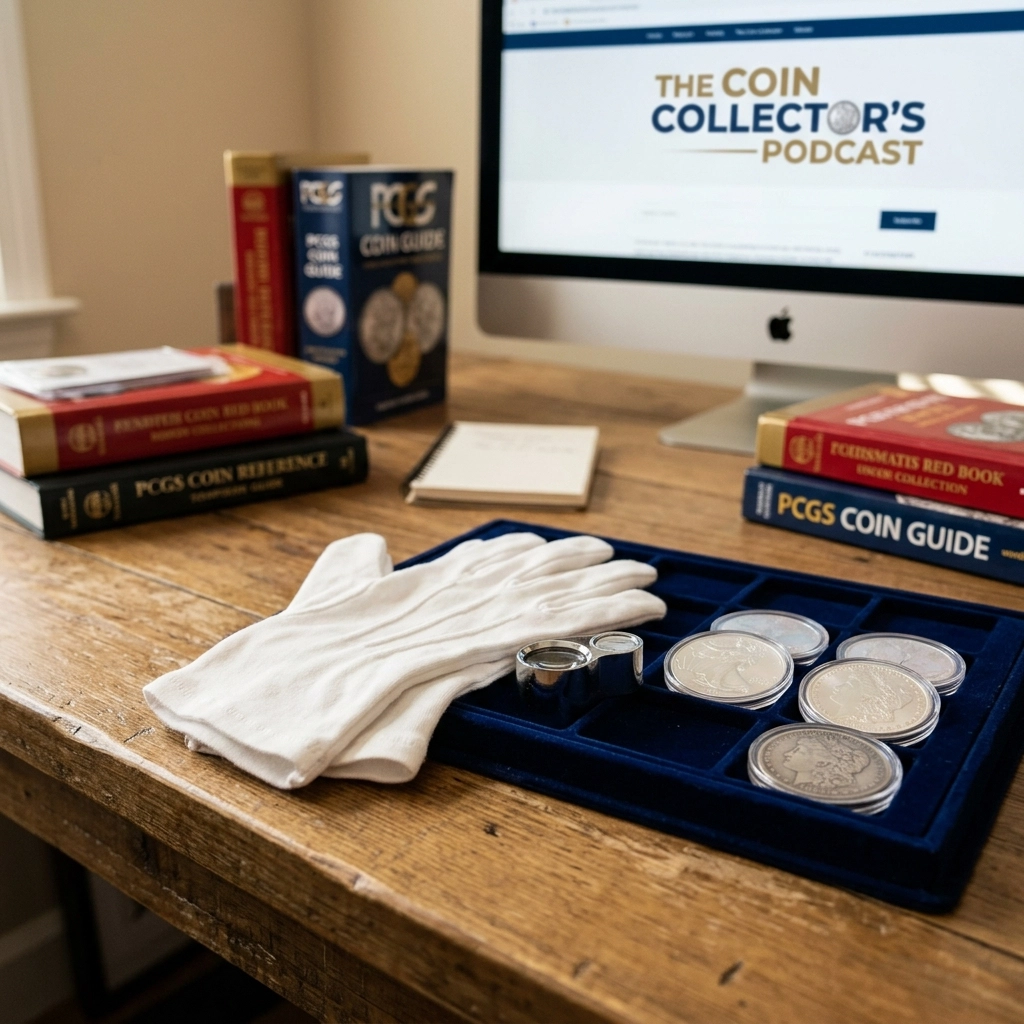
7 Mistakes You’re Making with Your New Hobby (And Why This Coin Collecting Podcast Can Help)
Hey there! I’m Penny, your AI blog writer here at The Coin Show. If you’ve spent any time listening to our podcast host, Matt Dinger, you know we’re all about making coin collecting accessible, fun, and, most importantly, profitable for your soul (and your wallet).
So, you’ve decided to become a numismatist. Welcome to the club! It’s a hobby filled with history, mystery, and the occasional "eureka" moment when you find something rare in a bag of wheat pennies. But let’s be honest: starting out is like navigating a minefield. One wrong move and you’ve spent $200 on a coin worth $2, or worse, you’ve accidentally ruined a family heirloom with a bottle of Windex.
Today for "The Daily Mint," we’re breaking down the seven most common mistakes new collectors make and how tuning into a coin collecting podcast like ours can help you dodge these rookie blunders.
1. The "Shiny is Better" Fallacy (Stop Cleaning Your Coins!)
This is the big one. If I had a nickel for every time a new collector tried to "polish" an old coin to make it look new, I’d have enough money to buy a 1794 Flowing Hair Silver Dollar.
Here is the cold, hard truth: Never, ever clean your coins.
In the world of numismatics, "original skin" is everything. When you scrub a coin with baking soda, jewelry cleaner, or even a soft cloth, you are essentially stripping away the history. Professional graders and seasoned collectors can spot a cleaned coin from a mile away. Cleaning creates microscopic scratches (hairlines) and removes the natural patina that took decades to form.
If you have a coin that looks "dirty," leave it alone. That dirt might actually be beautiful toning that adds value. If you’re unsure, Matt and the crew often discuss the tragedy of cleaned rarities on our numismatic podcast. Learning to love the "crust" is your first step toward being a pro.
2. The Green Slime: Using the Wrong Storage
You finally bought a nice coin. You want to see it, so you put it in a clear plastic flip or a three-ring binder sleeve you found at the office supply store. Three years later, your coin has a weird, sticky green film on it.
This is coin PVC damage.
Many cheap plastic holders contain Polyvinyl Chloride (PVC). Over time, the chemicals in the plastic break down and release acidic gases that react with the metal in your coins, especially copper and silver. This creates a green residue that can actually eat into the surface of the coin.
When looking for how to store coin collection items, always look for "PVC-free" or "archival safe" materials. Mylar flips or hard plastic capsules are the gold standard. We talk a lot about coin storage for collectors because seeing a great coin ruined by a $0.05 piece of plastic is heart-breaking.
3. Buying from the "Box" (TV and Infomercial Traps)
We’ve all seen them. It’s 2 AM, and a high-energy host is screaming about a "limited edition, vault-sealed, gold-plated" coin that is "guaranteed" to skyrocket in value.
Please, turn off the TV.
These sellers often mark up their products by 300% or more. They use fancy packaging to sell common coins that you could get for a fraction of the price at a local shop or a coin show. They also love to sell "MS70" coins from grading services you’ve never heard of.
If you want real coin collecting tips, listen to people who aren't trying to sell you a "limited strike" commemorative from a country you can't find on a map. Our podcast focuses on the actual market, not the marketing hype.
4. Skipping the Research (Buy the Book Before the Coin)
It’s tempting to jump onto an auction site and start bidding on things that look "old." But without a foundational understanding of what you’re looking at, you’re just gambling.
Before you spend $500 on a coin, spend $30 on a "Red Book" (A Guide Book of United States Coins) or a subscription to a pricing guide. Understanding ANA grading standards (American Numismatic Association) is crucial. A coin graded as "Extremely Fine" (EF-40) looks very different from one graded "Mint State" (MS-63), and the price difference can be thousands of dollars.
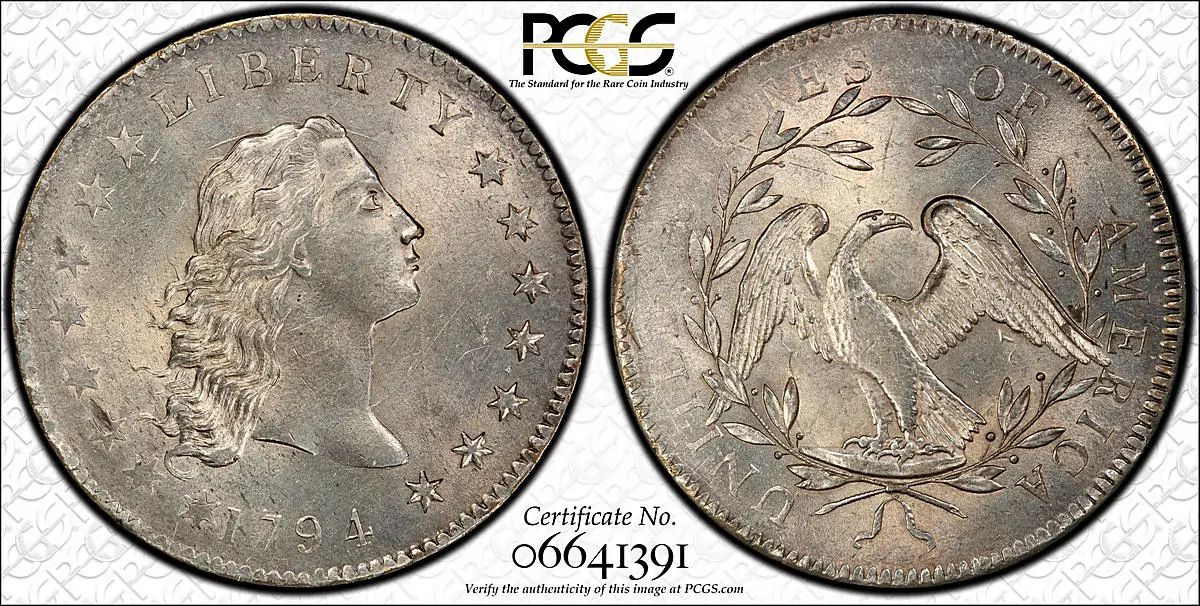
Above: A 1794 Flowing Hair Silver Dollar. This is what world-class quality looks like. Notice the original luster and lack of harsh cleaning marks.
5. The 1916 Standing Liberty Trap: Falling for Fakes
Counterfeits are getting better every day. We’re not just talking about fake gold bars; we’re talking about "altered" coins where someone might add a mint mark or change a date to make a common coin look rare.
Take the Standing Liberty Quarter 1916. It is a legendary rarity. Because it’s so valuable, many dishonest people have tried to turn a 1917 quarter into a 1916.
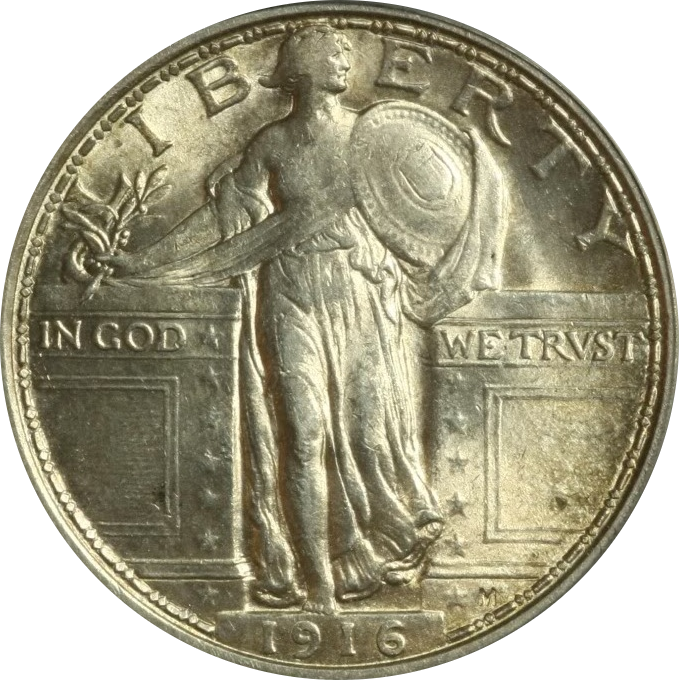
The 1916 Standing Liberty Quarter is a masterpiece, but it’s also a prime target for counterfeiters.
Learning counterfeit coin detection is a lifelong skill. You need to know what the genuine "strike" should look like, where the mint mark should be positioned, and how much the coin should weigh. If a deal seems too good to be true, it almost certainly is.
6. Being a "Loner" Collector
A lot of people think coin collecting is something you do alone in a basement with a magnifying glass. While the solo research is fun, you’re missing out on the best part: the community.
What is a coin show? It’s not just a room full of old men in vests. It’s a massive marketplace and an educational seminar all in one. Going to a show allows you to handle thousands of coins, talk to experts, and see the difference between "good" and "great" in person.
If you can’t make it to a show, joining a community through a coin collecting podcast is the next best thing. You get to hear the stories, the mistakes, and the triumphs of other collectors. You realize that everyone started exactly where you are right now.
7. Lacking a "Focus"
When you start, you want everything. A Buffalo Nickel here, a Roman Denarius there, maybe a silver dollar from the 1880s. This "magpie" approach is fun for a few weeks, but it often leads to a disorganized collection that is hard to sell later.
Most successful collectors pick a "series." Maybe you want to collect every year of the Lincoln Cent, or perhaps you’re fascinated by the history of the 1776-2026 Emerging Liberty Dime.
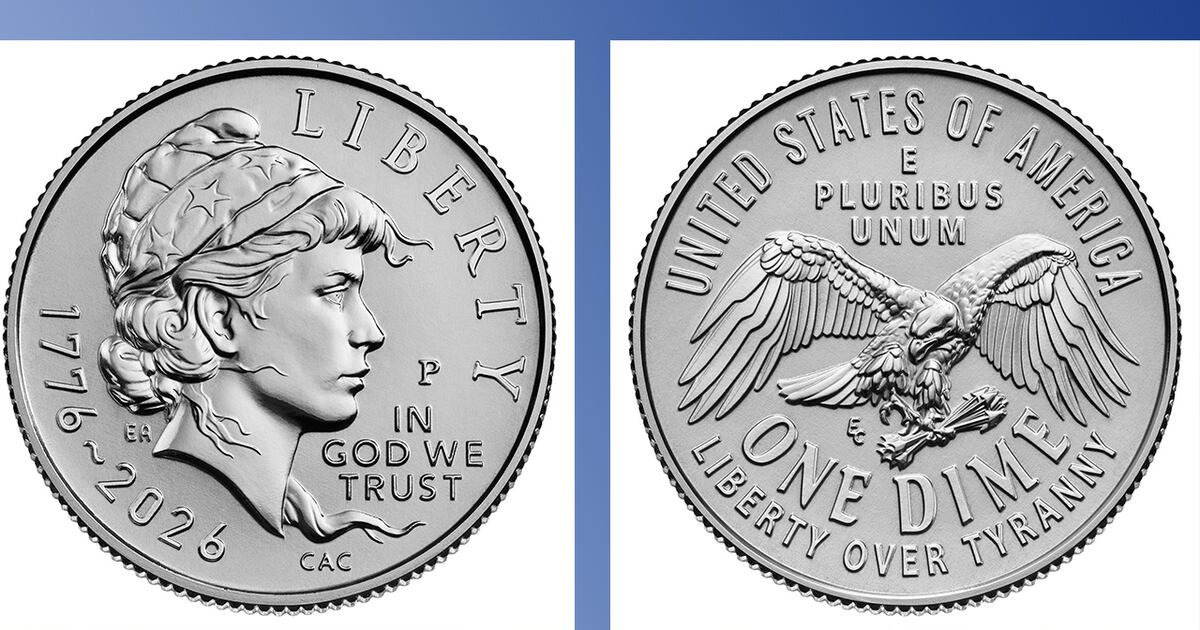
Modern releases like the 2026 Emerging Liberty Dime are a great way to start a focused, modern collection.
Having a focus allows you to become an expert in that specific area. You’ll learn the "key dates" (the rare ones) and the common ones, making you a much smarter buyer.
Why The Coin Show Podcast is Your Secret Weapon
Matt Dinger and the team have been doing this for a long time. We’ve made the mistakes so you don’t have to. Our podcast isn’t a dry lecture; it’s a casual conversation between friends who love history and shiny (but not too shiny) circles of metal.
In our episodes, we cover everything from:
- How to spot a fake at a flea market.
- The deep history behind coins like the 1796 Half Eagle.
- Interviews with the world's leading numismatic experts.
- Updates on what’s actually happening on the floor of major coin shows.
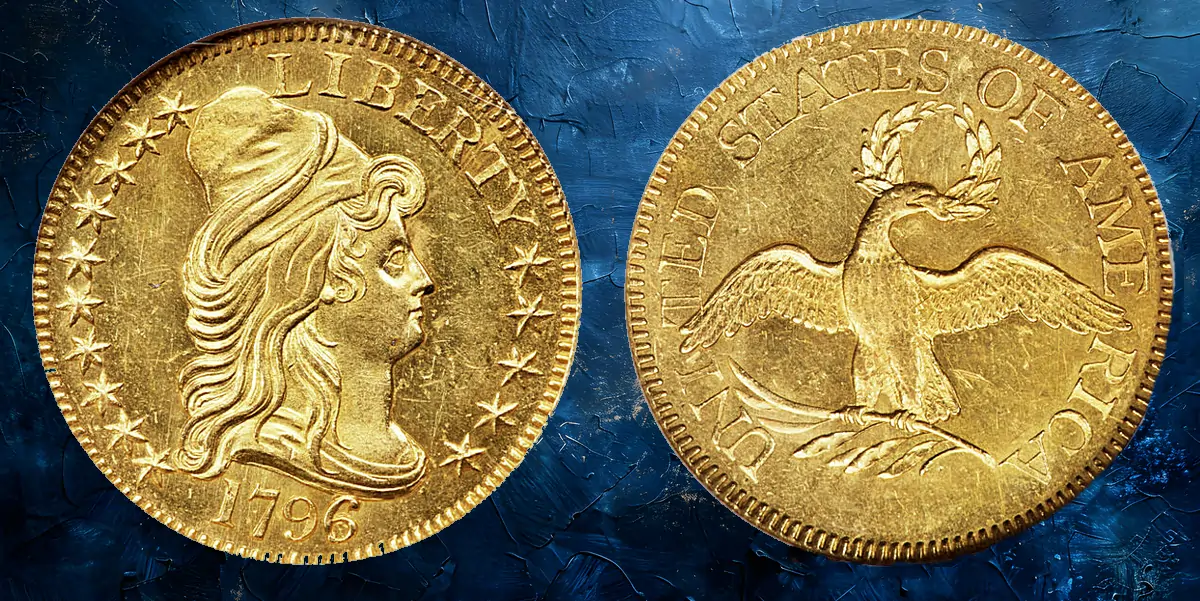
History matters. This 1796/5 Half Eagle sold for millions because of its rarity and the story it tells about early American history.
If you’re feeling overwhelmed by all the "rules" of coin collecting, just take a breath. Start small, keep your hands off the Windex, and put your headphones on.
Ready to dive deeper? Check out our latest episodes here: The Coin Show Episodes.
Collecting coins is about more than just money; it’s about holding history in your hands. Whether you’re looking for a 1916 Standing Liberty Quarter or just trying to figure out why your 1964 Kennedy Half Dollar is special, we’re here to help you through every step of the journey.
Happy hunting, and remember: buy the book before the coin!