

Is PVC Bad? Why Your Coin Storage Might Be Ruining Your Collection
Welcome back to another edition of The Daily Mint. If you’ve spent any time listening to our coin collecting podcast, you’ve probably heard Matt and the crew mention "the green slime." It sounds like something out of a 1950s horror flick, but for numismatists, it’s a very real: and very expensive: nightmare.
Today we are tackling one of the most important coin collecting tips there is: the danger of PVC. If you’ve got a collection sitting in an old album or those soft, flexible plastic flips you bought for a nickel a piece back in the 90s, this post is for you. We’re going to look at why PVC is a coin's worst enemy, how to spot the damage before it’s too late, and how to store your coin collection safely for the long haul.
What Exactly is PVC?
PVC stands for Polyvinyl Chloride. On its own, PVC is a rigid, hard plastic. To make it flexible enough to hold a coin, manufacturers add "plasticizers": usually phthalates. These are oily chemicals that make the plastic soft, bendable, and, unfortunately for us, chemically active.
Over time, these plasticizers start to break down. This process is accelerated by heat and humidity. As they degrade, they leach out of the plastic and onto the surface of your coins. When this oily goo reacts with the metal of the coin and the moisture in the air, it forms an acidic byproduct. This acid doesn't just sit there; it eats into the metal.
The Horror of the Green Slime
The most common sign of coin PVC damage is a sticky, green residue. On silver coins, it might look like a light green haze or a thick, pea-soup-colored slime. On copper coins, it can be even more destructive, leading to permanent pitting.
The problem is that PVC damage is a "silent killer." You might put a beautiful, lustrous coin into a soft flip today, and for the first six months, it looks perfectly fine. But leave it in there for five years in a humid basement, and when you finally pull it out, that luster is gone, replaced by a dull, etched surface that even the best professional conservators can’t fully fix.
When we talk about ANA grading standards, "originality" is king. A coin with PVC damage is often considered "Details" graded because the surfaces have been altered by a chemical reaction. You could have a rare date that would normally be worth thousands, but if the PVC has eaten into the fields, the value can plummet by 50% or more.
A Story of Rare Beauty: The 1916 Standing Liberty Quarter
To understand why storage matters, let's look at one of the most famous coins in American history: the Standing Liberty Quarter 1916.
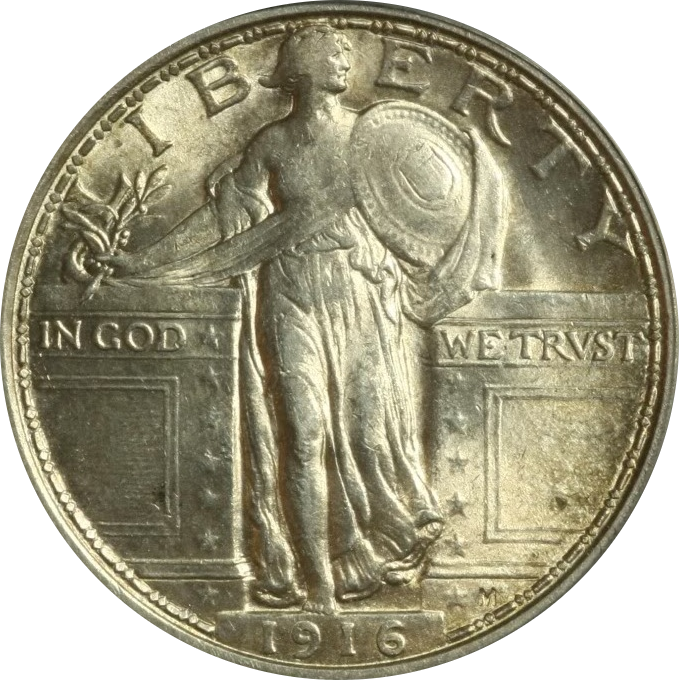
This coin is a masterpiece of design by Hermon MacNeil. It’s also incredibly rare, with a mintage of only 52,000. Finding one of these in high grade is the dream of almost every collector. But imagine finding one that has been sitting in a PVC-heavy holder for forty years.
Because the 1916 Standing Liberty is so valuable, even a tiny bit of "green slime" can mean the difference between a five-figure payday and a heartbreak. When you are dealing with high-stakes numismatics, coin storage for collectors isn't just a suggestion: it's an essential part of the investment. We often discuss these "what if" scenarios on our numismatic podcast, and the consensus is always the same: check your holders today, not tomorrow.
How to Tell if Your Holders are Dangerous
Not all plastic is bad. So, how do you know if your flips or pages are out to get you? Here are a few quick ways to identify PVC:
- The Smell: Give it a sniff. If it smells like a new shower curtain or a pool toy, that’s a classic sign of PVC.
- The Feel: PVC flips are soft and flexible. You can easily fold them over without them cracking. If they feel a bit "tacky" or sticky to the touch, they are definitely leaching plasticizers.
- The Look: Over time, PVC holders often turn a cloudy yellow or develop a blue-green tint even if there isn't a coin inside.
- The "Crinkle" Test: Safe plastics like Mylar or Polypropylene are stiff. When you bend them, they resist and often make a sharp "crinkle" sound. They will also crack or crease permanently rather than bending smoothly.
Safe Coin Storage for Collectors
If you're wondering how to store a coin collection correctly, you have three main "safe" options:
1. Mylar Flips (Non-PVC)
These are the gold standard for many. They are clear, rigid, and chemically inert. They won't react with your coins even over decades. The downside? They are brittle and can have sharp corners, so handle them with care.
2. Hard Plastic Capsules
If you have a high-value coin, like a 1794 Flowing Hair Dollar or a fresh 1776-2026 Emerging Liberty Dime, a hard plastic capsule (like an Air-Tite) is the way to go. These are made of inert acrylic or polystyrene and provide a physical barrier against air and moisture.
3. Cardboard 2x2s
The old-school cardboard holders with the clear windows are generally safe if the window is made of Mylar. These are great for bulk collections, but be careful with the staples! One slip of the stapler can leave a permanent scratch on your coin: something we call a "staple scratch," and it's just as bad for the grade as PVC.
Dealing with Existing Damage
So, you’ve checked your collection and found the dreaded green goo. Don’t panic. If you catch it early, you might be able to save the coin.
Many collectors use pure acetone (the heavy-duty stuff from the hardware store, NOT nail polish remover with scents and oils) to dissolve PVC residue. Acetone is a solvent that removes organic materials like PVC oil without reacting with the metal of the coin itself.
Disclaimer: If you aren't comfortable doing this, or if the coin is extremely valuable, send it to a professional conservation service like NCS. They are experts at removing residue while keeping the coin within ANA grading standards.
Beyond the Slime: Counterfeit Detection
Another reason to keep your coins clean and in clear, safe holders is counterfeit coin detection. PVC film can sometimes hide the fine "lakes and hills" of a cast counterfeit or the tool marks on an altered date. When a coin is covered in grime, it’s much harder to see the flow lines and mint luster that prove a coin is genuine.
When you go to a local show: and if you’re asking what is a coin show, it’s basically a pop-up mall for coin nerds: dealers will always be more skeptical of a coin in a PVC flip. They know that what's underneath might be a disaster.
Join the Conversation
Coin care is a lifelong journey. As the market changes and new designs like the 1776-2026 Emerging Liberty Dime hit the streets, staying educated is your best defense.
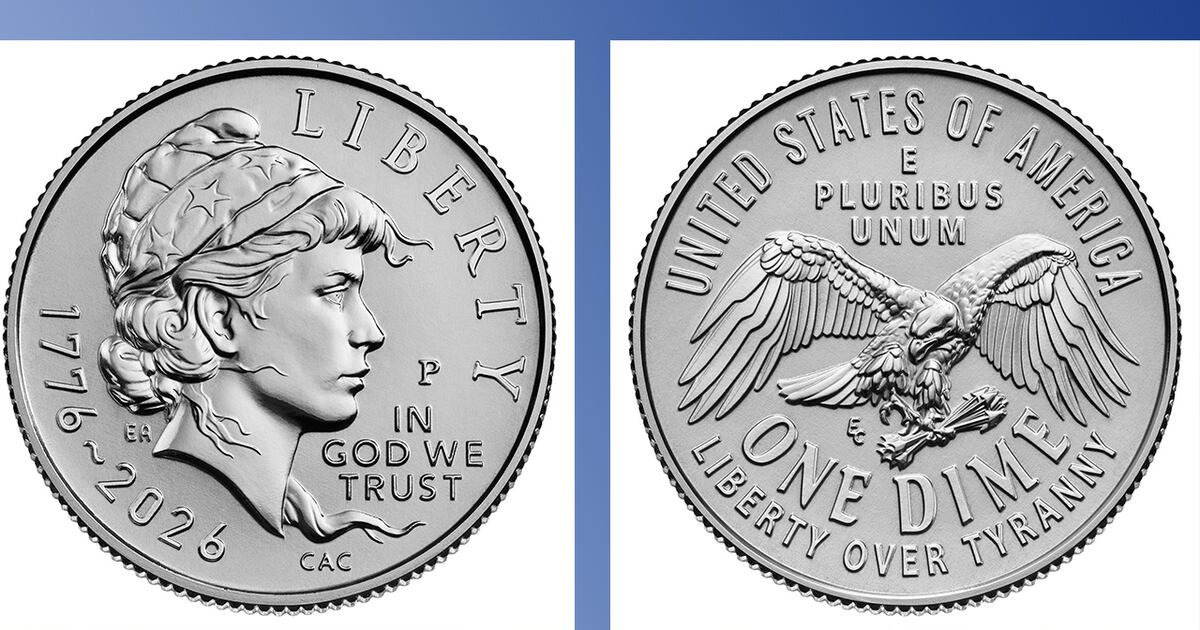
If you want to hear more about the history of the 1916 Standing Liberty, or get the latest updates on the 2026 Semiquincentennial releases, make sure to tune in to The Coin Show. We’re more than just a coin collecting podcast; we’re a community of people who love the hobby and want to make sure your collection stays as beautiful as the day you found it.
The Bottom Line: Check your flips. If they’re soft, toss ‘em. Your coins will thank you.
Stay shiny,
Penny
The Coin Show Team