
Is Your Collection Safe? How to Choose the Best Coin Storage (Compared)
You finally found it. Maybe it’s that elusive 1916 Standing Liberty Quarter you’ve been hunting for years. Or perhaps it’s a handful of shiny silver eagles you picked up at your first what is a coin show adventure. Whatever the coin, you want to keep it looking exactly like it does right now.
The problem? Coins are sensitive. They react to the air, the moisture in your breath, and: most dangerously: the very materials you use to store them.
In this guide, we’re breaking down how to store coin collection items effectively. We’ll compare the most popular methods, talk about the dreaded coin pvc damage, and look at how ana grading standards can help you decide which storage is right for your treasures.
Whether you’re a regular listener of our coin collecting podcast or a newcomer to the hobby, this is the essential "safety manual" for your numismatic journey.
The Great Enemy: PVC Damage
Before we talk about what to use, we have to talk about what not to use.
If you’ve ever seen a coin covered in a sticky, green slime, you’ve witnessed coin pvc damage. This happens when coins are stored in soft, pliable plastic flips that contain polyvinyl chloride (PVC). Manufacturers add chemical "plasticizers" to the PVC to make it soft. Over time, these chemicals leak out and react with the metal of the coin.
The result? A green goo that can permanently pit the surface and destroy the luster of your coin.
Pro Tip: If a plastic flip feels soft and oily, or smells like a new shower curtain, throw it away. Always look for "PVC-free" or "Mylar" holders.
Comparing Your Storage Options
Choosing coin storage for collectors isn't a one-size-fits-all situation. Your choice depends on the value of the coin and how often you want to look at it.
1. Cardboard 2×2 Holders
These are the bread and butter of the hobby. They consist of a cardboard frame with a clear Mylar window.
- Pros: Cheap, easy to write on, and fit perfectly into standard storage boxes.
- Cons: You have to staple them shut (be careful not to scratch the coin!) and they aren't completely airtight.
- Best for: Common date circulated coins and bulk collections.
2. Mylar/Polyester Flips
Unlike the "soft" PVC flips, these are rigid and archival-safe.
- Pros: Clear visibility, no chemicals, and very affordable.
- Cons: The edges can be sharp, and the plastic can crack if you fold it too many times.
- Best for: Mid-value raw coins and temporary storage.
3. Hard Plastic Capsules (Air-Tites)
If you have a coin that you want to protect from the air without the cost of grading, capsules are the way to go.
- Pros: Nearly airtight, very durable, and looks professional.
- Cons: They take up more space than flips and are more expensive.
- Best for: Uncirculated modern coins, silver rounds, and high-eye-appeal raw coins.
4. Certified Slabs (PCGS/NGC)
When a coin is professionally graded, it is sonically sealed in a hard plastic "slab."
- Pros: Maximum protection, authentication, and a guaranteed grade based on ana grading standards.
- Cons: Expensive (you have to pay grading fees) and bulky.
- Best for: Key dates, rarities, and anything you might want to sell later.
Case Study: The 1916 Standing Liberty Quarter
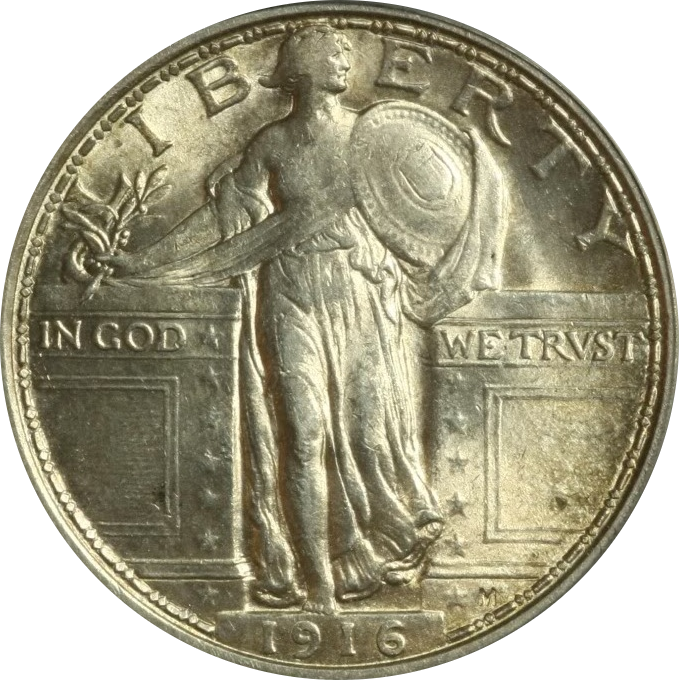
Let’s talk about a heavy hitter. The standing liberty quarter 1916 is the "holy grail" for many collectors. With a tiny mintage of only 52,000, it’s incredibly valuable: and frequently faked.
If you own a 1916 SLQ, storage isn't just about protection; it's about financial security. Because counterfeit coin detection is so critical for this specific date, nearly every expert on our numismatic podcast would recommend having it professionally slabbed.
Why? Because the slab acts as a certificate of authenticity. It tells the world the coin is real and that it meets a specific grade. If you leave a 1916 SLQ in a cheap cardboard flip, you risk environmental damage that could slash its value by thousands of dollars.
Environmental Hazards: More Than Just Holders
Even the best holder can’t save a coin if it’s stored in a bad environment. Here are three quick coin collecting tips for your home setup:
- Avoid the "Attic-Basement Trap": Basements are too damp. Attics are too hot. Temperature swings cause the metal in coins to expand and contract, which can lead to "toning" or spotting. Store your collection in a climate-controlled room.
- Watch the Humidity: High humidity is the catalyst for corrosion. Use silica gel packs in your storage boxes to soak up excess moisture.
- Light is No Friend: Prolonged exposure to sunlight can fade the labels on your slabs and potentially affect the surfaces of certain coins over decades. Keep them in the dark.
Organizing for the Long Haul
Once you’ve chosen your holders, how do you organize them? Most collectors use:
- Slab Boxes: Specifically designed to hold 20 certified coins in upright slots.
- 2×2 Boxes: Long red or blue cardboard boxes that hold 100+ flips.
- Albums: Great for seeing your whole collection at once, but make sure the pages are PVC-free.
Conclusion: Protect Your Passion
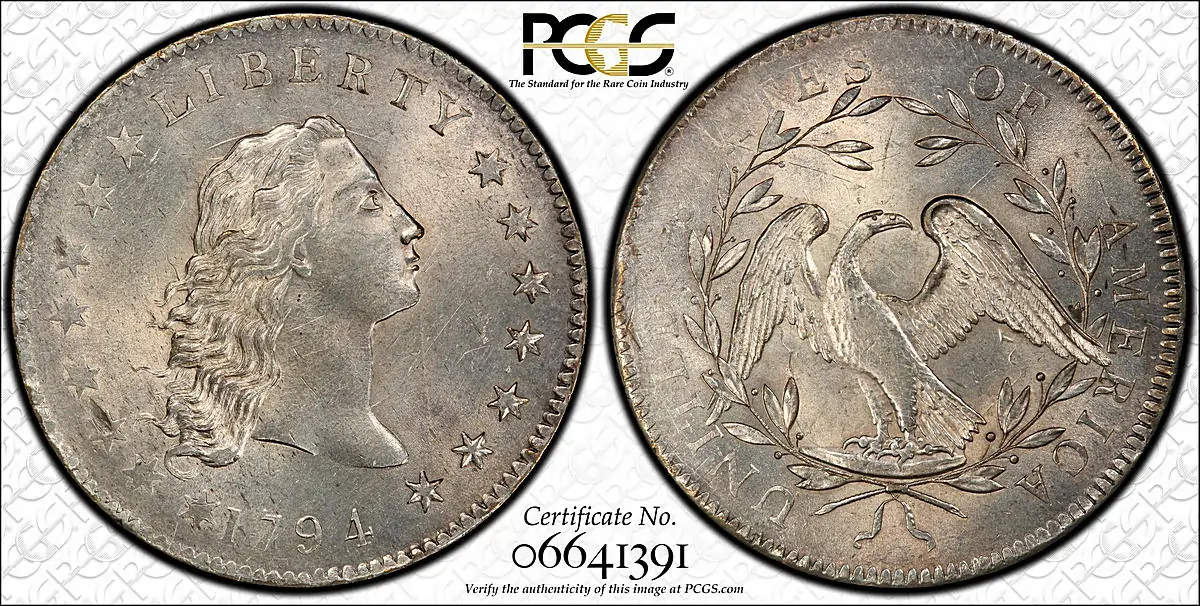
Your collection is a piece of history. Whether it’s a million-dollar 1794 dollar or a jar of wheat cents you’re sorting through, treating those coins with respect ensures they’ll be around for the next generation.
Choosing the right storage is one of the most important things you can do as a collector. Don't let a $0.10 plastic flip destroy a $100 coin.
For more in-depth discussions on coin care and the latest market trends, be sure to check out The Coin Show, your favorite coin collecting podcast. We dive deep into topics like this every week to help you become a more informed collector.
Happy collecting!