

7 Mistakes You’re Making with Coin Collecting (And How to Fix Them)
Coin collecting is one of those hobbies that feels simple until it isn't. You start by pulling a few interesting quarters out of your pocket change, and suddenly you’re staring at auction results for a standing liberty quarter 1916 and wondering if you should sell your car to buy one.
Whether you’re a seasoned numismatist or just starting out, everyone makes mistakes. The problem is that in the world of rare coins, a small mistake can cost you thousands of dollars. We’ve seen it all here at The Coin Show, and we want to make sure your collection stays valuable and your hobby stays fun.
Here are the seven most common mistakes collectors make: and how you can fix them before they ruin your day (or your wallet).
1. The "Cleaning" Catastrophe
If there is one cardinal sin in numismatics, it’s cleaning your coins. We get it: you find a 100-year-old silver dollar, and it looks a bit "dirty." You think, “If I just polish this up, it’ll look brand new!”
Stop right there.
Cleaning a coin with any kind of abrasive, chemical, or even a soft cloth can strip away the "original skin" or luster of the metal. Collectors and professional graders (like those at PCGS or NGC) can spot a cleaned coin from a mile away. Once a coin is "improperly cleaned," its market value can drop by 50% or more instantly.
The Fix: Leave them alone. If a coin has actual dirt on it, a quick soak in pure acetone (not nail polish remover!) can safely remove organic residue without harming the metal. But if you’re unsure, just don't touch it. Let the history stay on the surface.
2. Using Cheap "PVC" Storage
You might think those soft, pliable plastic flips are great for protecting your coins. In reality, they could be eating them. Many older or cheaper plastic holders contain PVC (polyvinyl chloride). Over time, the chemicals in the plastic leach out and create a green, slimy residue on the coin's surface.
Coin PVC damage is a nightmare. It starts as a hazy film and can eventually pit the metal, causing permanent damage. If you notice your coins looking a bit green or feeling "tacky," you have a problem.
The Fix: Move your collection to inert, archival-quality holders immediately. Look for "PVC-free" or "Mylar" flips and hard plastic capsules. Knowing how to store coin collection properly is the best way to ensure your investment lasts for generations. Check out our guide on coin storage for collectors for a deeper dive.

3. Buying "Raw" Key Dates Without Authentication
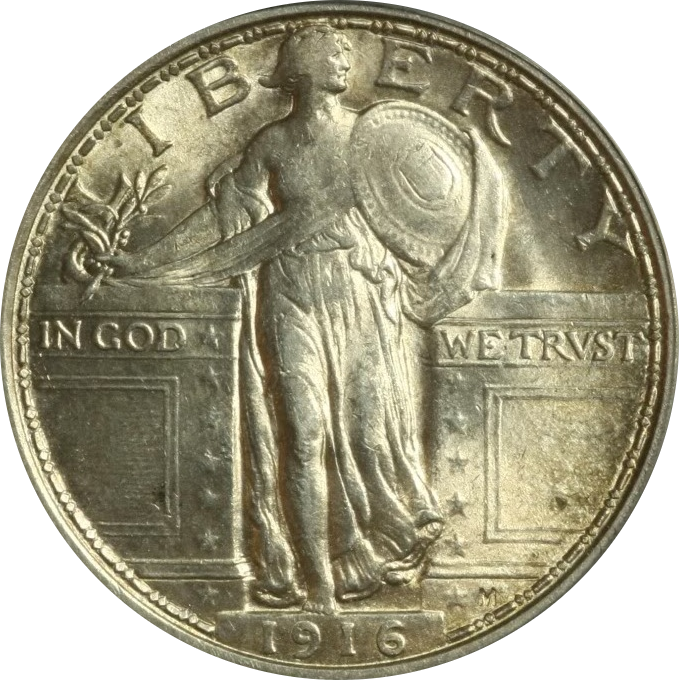
The standing liberty quarter 1916 is one of the most beautiful and sought-after coins in American history. Because it has such a low mintage, it’s also one of the most frequently faked coins out there.
If you see a "raw" (unslabbed) 1916 SLQ at a flea market for a price that seems too good to be true, it probably is. Counterfeiters often take a common 1917 Type 1 quarter and "alter" the date to look like a 1916. Without expert counterfeit coin detection skills, you’re basically gambling.
The Fix: For high-value "key dates," only buy coins that have been authenticated and graded by a reputable third-party service. It’s better to pay a little more for a certified coin than to pay thousands for a piece of clever scrap metal.
4. Mishandling Your Masterpieces
Your fingers are naturally covered in oils and salts. When you touch the face of a coin, those oils transfer to the metal. Over time, those fingerprints can turn into permanent, ugly black marks that cannot be removed.
The Fix: Always hold coins by their edges. Better yet, wear soft cotton gloves when handling high-grade or proof coins. If you’re showing off your collection to a friend, keep them in their holders!
5. Ignoring ANA Grading Standards
"This coin looks like a Mint State 65 to me!"
Unless you understand ANA grading standards, that’s just a guess. The American Numismatic Association has specific criteria for every grade from Poor-1 to Perfect MS-70. If you don't know the difference between "About Uncirculated" and "Mint State," you might overpay for a coin that has just a hint of wear on the high points.
The Fix: Buy a copy of the Official ANA Grading Standards for United States Coins. Study it. Learn where the "high points" are on your favorite series. For example, on a Standing Liberty Quarter, the first place to show wear is Liberty’s head and the rivets on her shield. Knowing this will save you a fortune.
6. Staying Isolated from the Community
Many collectors stick to eBay and never interact with other hobbyists. This is a mistake because you miss out on the collective knowledge of the community. Plus, you’re missing out on the fun!
What is a coin show? It’s more than just a room full of old men in vests. It’s a place to see thousands of coins in person, talk to dealers, and actually hold the history you're reading about.
The Fix: Find a local coin club or look up a regional coin show. Seeing the coins in person: and comparing a "Choice" coin to a "Gem" coin side-by-side: is an education you can't get from a screen.
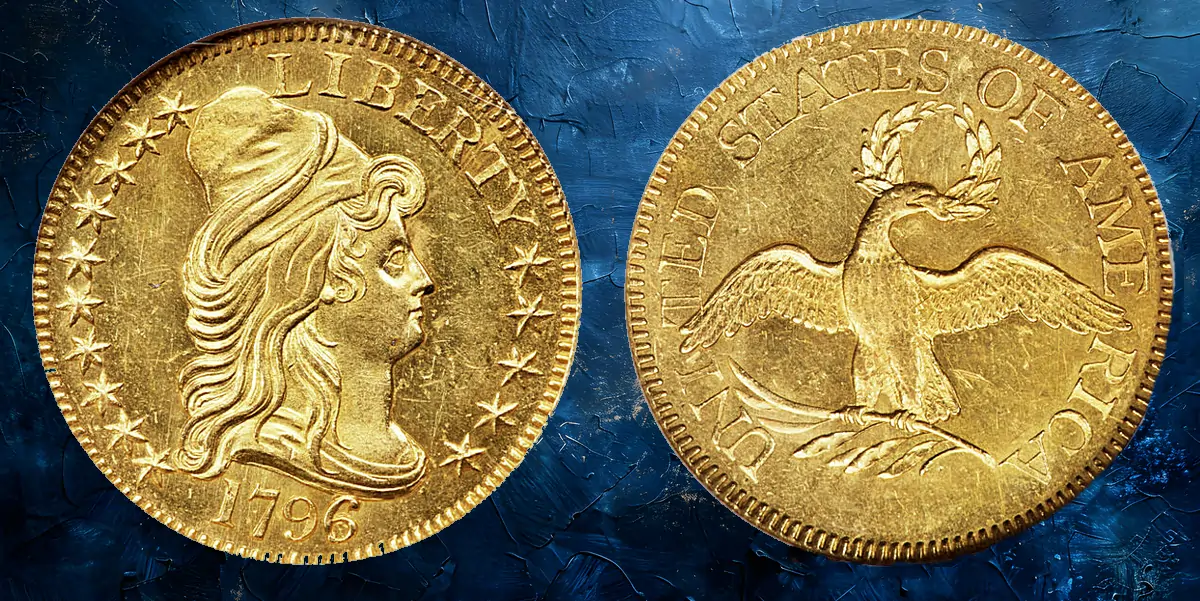
7. Not Keeping Up with the Times
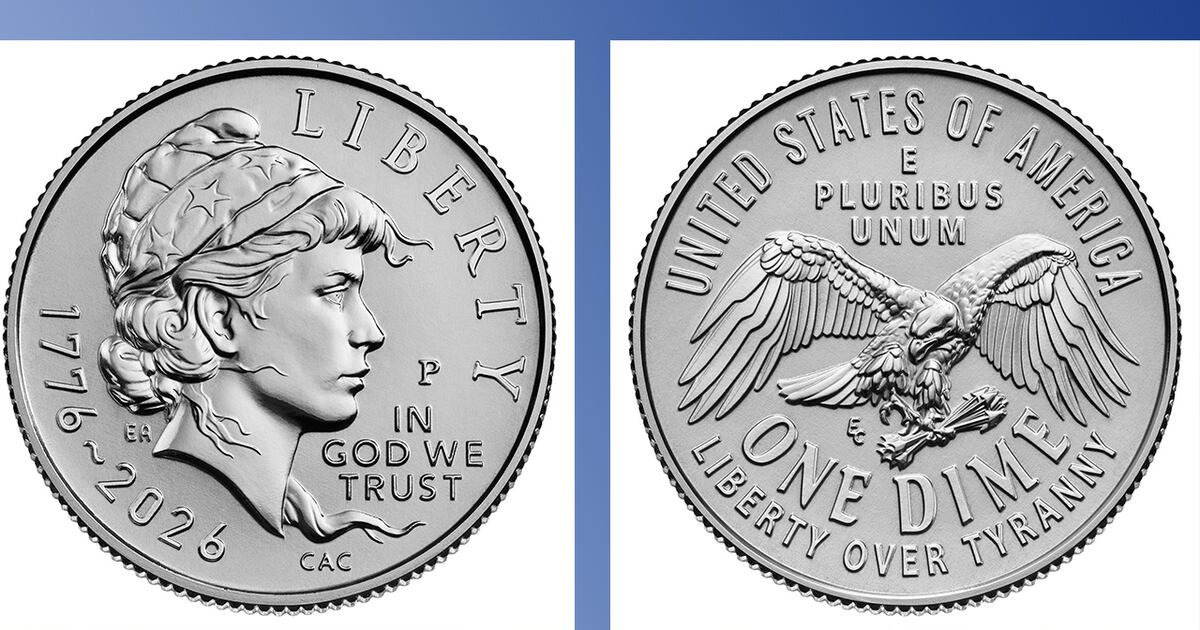
The coin market moves fast. Mint releases, like the upcoming 1776-2026 Emerging Liberty Dime, can change the landscape for modern collectors. If you aren't staying educated, you might miss out on new trends or fail to spot a bubble before it bursts.
The Fix: Listen to a coin collecting podcast or numismatic podcast. Hearing experts discuss the latest auction results, mint errors, and market shifts keeps your knowledge fresh. We might be biased, but The Coin Show is a great place to start! We cover everything from ancient coins to the newest US Mint designs.
Final Thoughts
Coin collecting is a marathon, not a sprint. You’re going to make mistakes: we all did! But by avoiding the "Big Seven" mentioned above, you’ll protect your collection's value and keep the hobby enjoyable for years to come.
Remember: No cleaning, no PVC, and always keep learning. If you want more coin collecting tips, check out our latest episodes and blog posts over at The Daily Mint.
Happy hunting!