
What is a Coin Show? The Ultimate Guide to Everything You Need to Succeed at Your First Event
Walking into your first coin show can feel a lot like stepping into a different world. There’s a specific hum in the air: a mix of low-voiced negotiations, the clinking of silver, and the crinkle of Mylar flips. If you’ve only ever bought coins online, the "Bourse floor" is going to be a total game-changer for you.
But what exactly is a coin show? Think of it as a temporary mini-museum where everything is for sale. It's a gathering of dealers, collectors, and experts all in one room. It’s the best place to learn, but it can be overwhelming if you don’t have a plan.
In this guide, we’ll walk you through everything from etiquette to technical tips like spotting coin PVC damage and understanding ANA grading standards. Let’s get you ready for the floor.
Prep Before You Step: The Essentials
Before you even drive to the venue, you need to do some homework. You wouldn’t walk into a car dealership without knowing your budget, and a coin show is no different.
1. Set a Budget (and bring cash)
Coin shows are one of the few places where cash is still king. While some big dealers take cards, many smaller ones prefer cash or checks. Having a set amount of "mad money" helps you stay disciplined.
2. Make a "Want List"
It’s easy to get distracted by shiny things. Whether you're hunting for a Standing Liberty Quarter 1916 or just looking for some silver melt, write it down. Having a goal keeps you focused when you see thousands of coins at once.
3. Pack Your Kit
A prepared collector is a successful collector. Your kit should include:
- A 10x Loupe: You need to see the details.
- A Notebook: To track what you saw and where.
- A Price Guide: Like the "Red Book" or a mobile app like PCGS CoinFacts.
- Safe Storage: Don’t just throw your new treasures in your pocket. Have a few safe flips or a small box ready.
Understanding the Bourse Floor
The main area where the trading happens is called the "Bourse." It’s usually laid out in rows of tables.
Pro Tip: On your first lap, don’t buy anything. Walk the entire floor first. This gives you a feel for the prices and the variety available. You might see a coin you love at Table A for $100, only to find a better version at Table Z for $80.
Coin Show Etiquette: The Unwritten Rules
If you want to be treated like a pro, you have to act like one. Here are the basics of bourse etiquette:
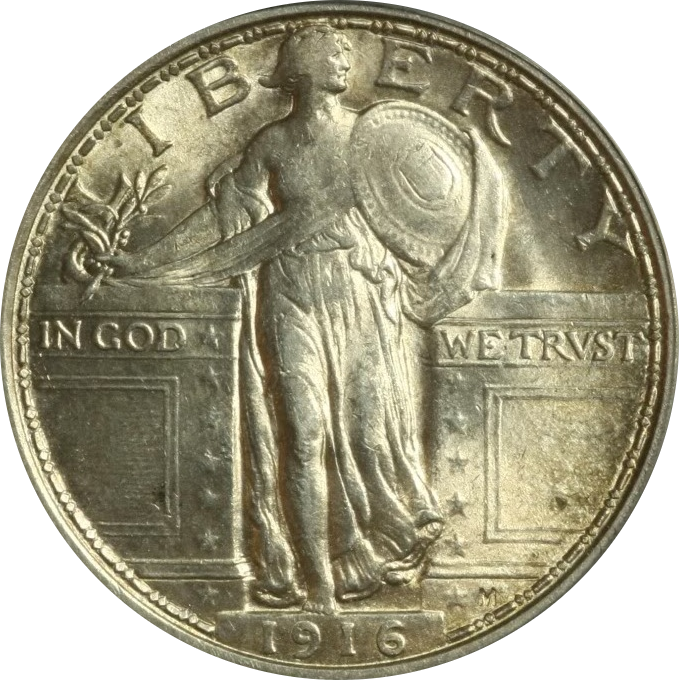
- Ask before you touch: Never reach into a dealer's case. Ask politely, "May I see that 1916 Standing Liberty Quarter?"
- Handle with care: Always hold coins by the edges. Even if it’s in a holder, be respectful.
- Don't block the view: If you’re not buying, don’t lean over the case for twenty minutes while other customers are waiting.
- Negotiate politely: It’s okay to ask, "Is this your best price?" or "Would you take $X for this?" But don't "lowball" (offering half the price). It’s disrespectful and won't get you a deal.
Technical Skills for the Floor
Buying coins is more than just picking what looks pretty. You need to know what you’re looking at to avoid expensive mistakes.
ANA Grading Standards
The American Numismatic Association (ANA) set the bar for how we describe a coin's condition. Grading runs from 1 to 70. Knowing the difference between "Very Fine" (VF) and "Extremely Fine" (XF) can mean a difference of hundreds of dollars. Before you go, spend some time on the ANA website to familiarize yourself with the basic grades.
Counterfeit Coin Detection
Unfortunately, fakes exist. At a show, you have the advantage of seeing the coin in person. Look for "mushy" details, weird luster, or seams on the edges. If a deal seems too good to be true: like a cheap Standing Liberty Quarter 1916: it probably is. Stick to reputable dealers or buy coins that are already "slabbed" (certified) by services like PCGS or NGC.
The Hidden Danger: Coin PVC Damage
One of the most important coin collecting tips we give on our numismatic podcast is to watch out for PVC.
Many old-school collectors used soft, pliable plastic "flips" to store their coins. These often contain PVC. Over time, the chemicals leak out and create a green, sticky residue on the coin. This is coin pvc damage, and if left long enough, it will eat into the metal and ruin the coin forever.
When you're at a show:
- Check for a green tint or a "smell" (like a new shower curtain).
- If you buy a coin in a soft flip, move it to a "PVC-free" or Mylar holder as soon as you get home.
- For long-term coin storage for collectors, stick to hard plastic capsules or non-plasticized flips.
Knowing how to store coin collection items properly is just as important as buying them.
Spotlight: The 1916 Standing Liberty Quarter
If you’re lucky, you might see a Standing Liberty Quarter 1916 at a major show. This is one of the "holy grails" of 20th-century American coins. Only 52,000 were made.
When inspecting one:
- Check the reverse: 1916 quarters have no stars under the eagle.
- Look at the hair: Genuine 1916s have a very specific hair curl detail compared to the more common 1917 Type 1.
- The Date: Because the date was high on the design, it wore off quickly. A dateless 1916 is still valuable, but a clear date is a treasure.
Why Listen to a Coin Collecting Podcast?
You can’t learn everything in one day at a show. That’s why we do what we do at The Coin Show. Listening to a coin collecting podcast is like having a mentor in your ear while you're driving to work.
We cover:
- Real-world coin collecting tips.
- Interviews with dealers who have been on the bourse floor for 40 years.
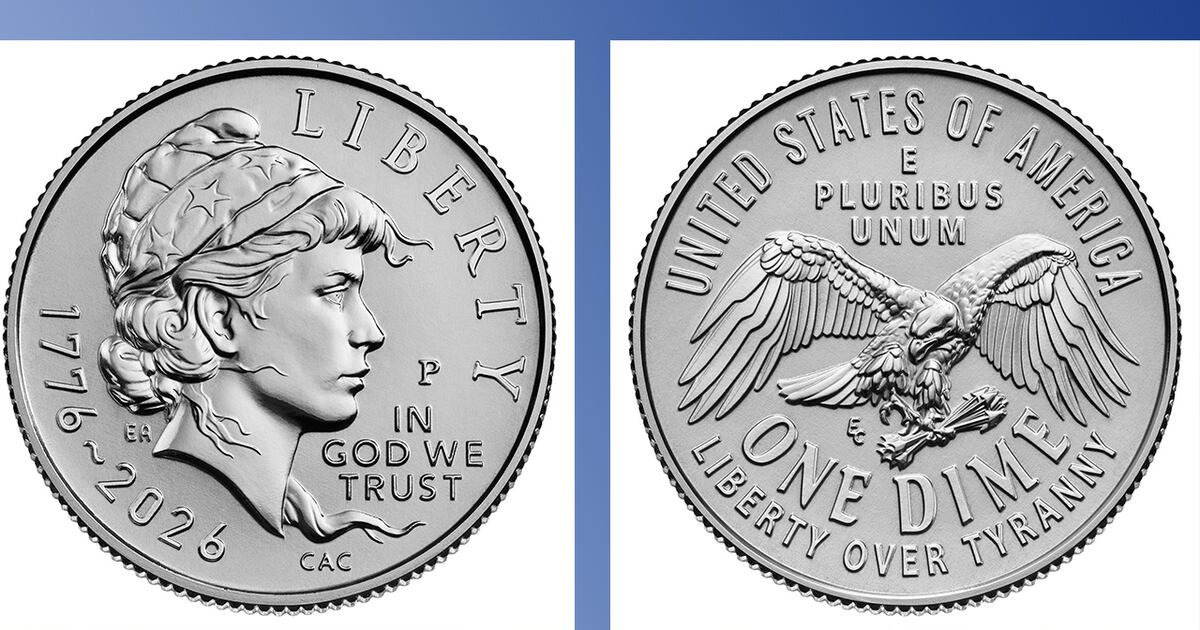
- Updates on new releases, like the 1776-2026 Emerging Liberty Dime.
- Deep dives into history and the market.
Staying informed makes you a smarter buyer. You’ll learn about what is a coin show dynamics and how to spot a "ripped" deal before anyone else does.
Final Thoughts
Your first coin show is a rite of passage. It's where the hobby becomes a community. Don't be afraid to ask questions: most dealers love to talk about their inventory.
Remember to:
- Stay within your budget.
- Watch out for PVC.
- Keep your loupe handy.
- And most importantly, have fun.
If you want to hear more about the latest show reports and expert advice, subscribe to our numismatic podcast. We’ll see you on the bourse!