
7 Mistakes You’re Making with Coin Storage (And How to Stop PVC Damage)
So, you’ve started a coin collection. Maybe you found a weird-looking quarter in your change, or perhaps you finally inherited that box of silver dollars from your grandfather. Welcome to the hobby! It’s an addictive world of history, art, and (hopefully) a little bit of profit.
But here is the thing: collecting coins isn’t just about finding them. It’s about keeping them in the same condition they were in when you found them. At The Coin Show, we’ve seen too many beautiful collections ruined by simple storage mistakes.
If you want to keep your coins from turning into green, sticky messes or scratched-up metal discs, you need to avoid these seven common blunders.
1. Using Old-School PVC Holders
This is the big one. Back in the day, soft, pliable plastic flips were the standard. They were cheap and easy to use. The problem? Most of them were made with PVC (polyvinyl chloride).
PVC uses plasticizers to stay flexible, but over time, those chemicals leak out and react with the metal in your coins. This leads to coin PVC damage, which looks like a sticky, green "slime." If left too long, it will actually eat into the surface of the coin, causing permanent pitting.
How to stop it: Only use archival-safe, PVC-free holders. Look for flips made of Mylar or polypropylene. They are stiffer and might "crack" if you fold them too hard, but they won't melt your money.
2. Storing Your Collection in the Attic or Basement
We get it: you want the collection out of the way. But the attic and the basement are basically torture chambers for coins.
- Attics: The heat is the enemy here. Extreme temperatures accelerate chemical reactions, causing coins to tone (tarnish) rapidly or react with any trace chemicals in their holders.
- Basements: Humidity is the killer. Moisture leads to spotting and corrosion, especially on copper and silver coins.
The Fix: Keep your coins where you live. A cool, dry closet in the main part of your house is much better. Aim for a stable environment with around 40-50% humidity.
3. Touching Coins with Your Bare Hands
Your skin is covered in oils, salts, and acids. The second you touch the face of a coin with your thumb, you’ve left a permanent fingerprint. It might not show up today, but in a year, that oil will react with the metal and leave a dark, ugly smudge.
Coin collecting tips: Always hold coins by their edges. If you're handling high-grade coins or proofs, wear lint-free cotton or powder-free nitrile gloves.
4. Letting Coins "Jingle-Jangle"
Keeping a jar of "silver" is fun to look at, but it’s terrible for the coins. Every time those coins rub against each other, they get tiny scratches known as "friction wear" or "bag marks."
Even if a coin isn't rare today, keeping it in a dedicated 2×2 holder or a hard plastic capsule ensures it stays in its current grade. This is especially important for ANA grading standards, where a few small scratches can mean the difference between an MS65 and an MS63.
5. The "Clean-Freak" Mistake
Whatever you do, do not clean your coins. This is the fastest way to turn a $100 coin into a $10 coin.
New collectors often want their coins to look "shiny." They use silver polish, baking soda, or even a soft cloth to "buff" the coin. This removes the original surface (the mint luster) and leaves microscopic hairlines. Professional coin graders can spot a cleaned coin from a mile away, and they will label it as "Details – Cleaned," which destroys the resale value.
6. Forgetting the Paperwork
If you buy a coin at a coin show or from a reputable dealer, keep the receipt and any grading information. A collection without documentation is just a box of metal.
Inventory management is a key part of coin storage for collectors. Knowing what you paid, where you got it, and what the original grade was will save you a massive headache if you ever decide to sell or if you need to file an insurance claim.
7. Zero Security (The "Under the Bed" Strategy)
If your collection is worth more than a couple hundred bucks, you need to think about security. Fire and theft are real risks. A basic "fire-rated" safe is a good start, but make sure it’s bolted down.
For high-value items like a 1916 Standing Liberty Quarter, a bank safe-deposit box is often the safest bet. Just remember that safe-deposit boxes aren't usually insured by the bank, so you'll still want a third-party collectibles insurance policy.
Deep Dive: How to Detect and Stop PVC Damage
If you’ve already noticed a greenish tint on your coins, don't panic: but do act fast.
- Identify: Is it sticky? Is it bright green? That’s PVC.
- Remove: Take the coin out of the offending holder immediately and throw the holder away.
- Conservation: For valuable coins, do not try to "scrub" the green off. You can use a pure acetone bath (not nail polish remover, which has perfumes), but if you aren't experienced, send the coin to a professional conservation service like NCS (part of NGC).
Historical Nugget: The 1916 Standing Liberty Quarter
Speaking of coins worth protecting, let's talk about one of the most famous "storage tragedies" in history: the Standing Liberty Quarter 1916.
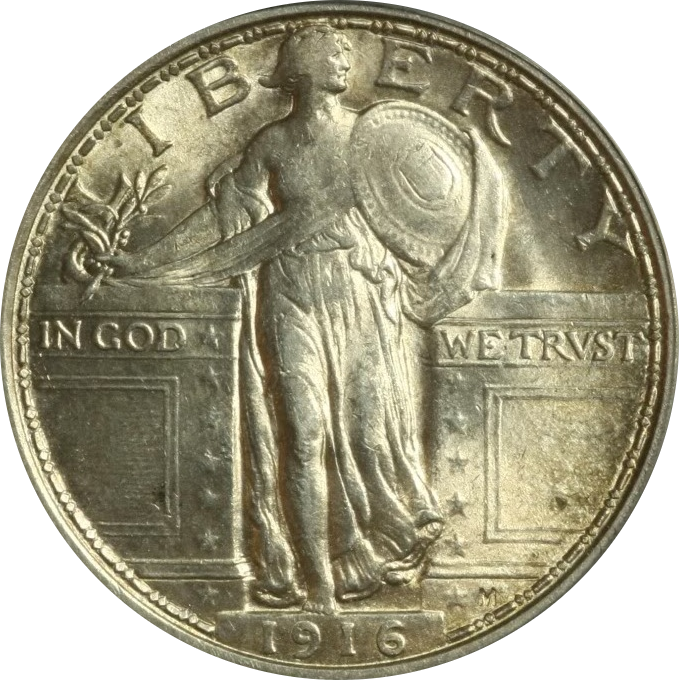
This was the first year of the design, and the Mint only produced 52,000 of them. That is a tiny mintage! Because the date was "raised" on the design (it wasn't recessed), the date wore off almost immediately once the coin hit circulation.
Finding a 1916 Standing Liberty Quarter with a clear date is a collector's dream. If you’re lucky enough to own one, you better make sure it's in a PVC-free capsule or a professional "slab." These coins are also targets for counterfeit coin detection experts because their value is so high. Always buy these "certified" by a major grading service like PCGS or NGC.
Join the Conversation
Want to learn more about protecting your investment? Check out The Coin Show Podcast. We’re a numismatic podcast dedicated to making the hobby fun and accessible. Whether you're hunting for errors or investing in gold, we've got the tips you need to succeed.
Protect your coins today, so they can tell their stories tomorrow. Happy hunting!