

7 Mistakes You’re Making with Coin Storage (and How to Fix Them)
Hey there, coin fam. Matt Dinger here from The Coin Show. It’s Sunday, April 19, 2026, and if you’re like me, you probably spent your morning sipping coffee and looking through some recent finds. Maybe you even managed to snag one of those brand new 1776-2026 Emerging Liberty Dimes that just hit the streets two days ago.
But here’s the thing: finding the coin is only half the battle. Keeping it in the same condition you found it in is where the real work begins. Over the years on our coin collecting podcast, we’ve heard some absolute horror stories. People spend thousands on a standing liberty quarter 1916 only to find it ruined a decade later because they kept it in a shoebox in the attic.
Storage isn't just about putting things in a drawer. It’s about preservation. If you want your collection to last long enough to pass down to the next generation, you need to avoid these seven common storage blunders.
1. The Bare-Handed Blunder
We’ve all been there. You get a new coin, and you want to feel the weight of it. You want to see the luster up close. But unless you’re wearing lint-free cotton gloves, you are essentially painting your coin with a layer of skin oils and sweat.
Those oils are acidic. Over time, they will react with the metal, creating permanent, ugly fingerprints that can’t be removed without "cleaning" the coin: which, as we know, is the ultimate numismatic sin.
How to Fix It:
Always handle your coins by the edges. Even better, get yourself a pack of cotton or nitrile gloves. If you're looking for professional coin collecting tips, this is the first thing any pro will tell you. Treat your coins like they’re made of glass.
2. The Silent Killer: PVC Damage
If you’ve been around the numismatic podcast world for any length of time, you’ve heard the acronym PVC. Polyvinyl Chloride is a chemical used to make plastic soft and pliable. It’s great for garden hoses, but it’s a nightmare for coins.
Over time, the PVC in cheap plastic "flips" or sleeves breaks down and releases an acidic green slime. This slime eats into the surface of the coin, causing coin pvc damage that is often irreversible. It starts as a slight cloudy haze and ends with a pitted, ruined coin.
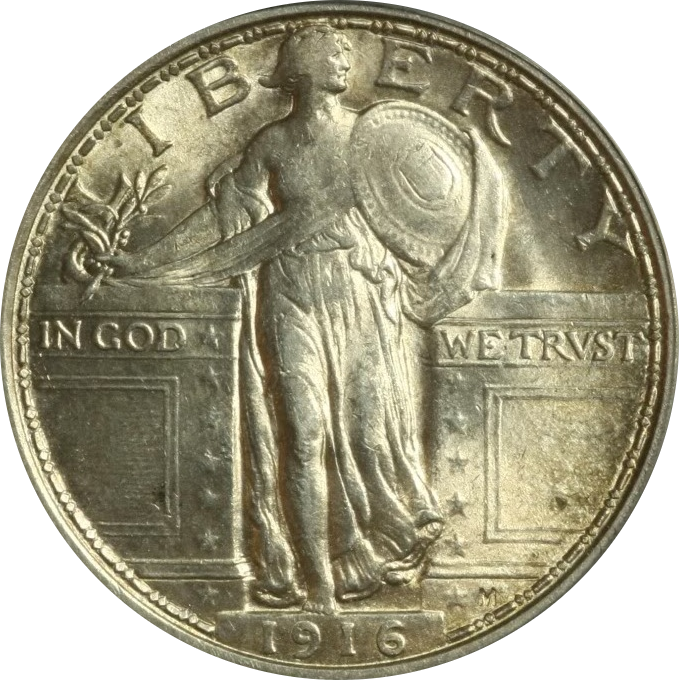
A Standing Liberty Quarter 1916 like this deserves better than a cheap PVC flip.
How to Fix It:
Only use "PVC-free" or "archival safe" holders. Look for Mylar or polypropylene. If your flips feel soft and oily or smell like a new shower curtain, get your coins out of there immediately. High-quality hard plastic holders (like those used for ana grading standards) are your best bet for long-term safety.
3. Ignoring the "Attic and Basement" Trap
Where do most people put things they want to keep "safe"? The attic or the basement. Unfortunately, these are the two worst places in a home for a coin collection.
Attics get incredibly hot, which can accelerate chemical reactions in storage materials. Basements are notoriously humid. Humidity is the enemy of copper and silver; it leads to spotting, corrosion, and unwanted toning. If you’re wondering how to store coin collection items properly, think about where you feel comfortable. If a room is too hot or too damp for you to sit in for an hour, it’s too harsh for your coins.
How to Fix It:
Store your collection in a climate-controlled area of your home. A closet in a bedroom is usually a great spot. If you live in a humid climate, consider adding silica gel packets to your storage boxes to soak up any stray moisture.
4. The "Jar of Change" Mentality
Storing coins in a way that allows them to touch each other is a recipe for "bag marks" and scratches. When two coins rub together, the harder metal will scratch the softer one. This is especially true for silver coins. If you have a beautiful standing liberty quarter 1916 and it’s clinking around against a bunch of modern quarters, you’re literally rubbing money away.
How to Fix It:
Every coin worth keeping should have its own individual space. Whether it’s a 2×2 cardboard flip, a plastic capsule, or a professional slab, keep them separated. Coin storage for collectors isn't about bulk; it's about individual protection.
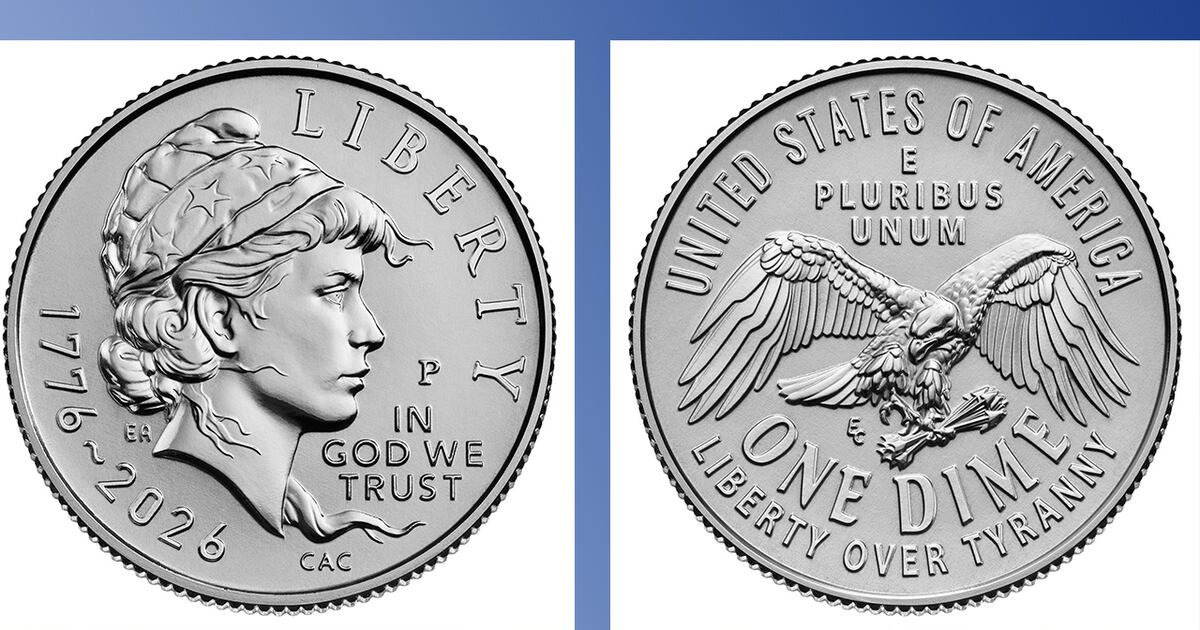
The new 2026 Emerging Liberty Dime should be protected individually from the day you get it.
5. Trusting Household Containers
I’ve seen people store coins in Ziploc bags, Tupperware, and even old cigar boxes. While these might seem airtight, they often contain chemicals or glues that can outgas over time. Wooden boxes, especially those made of cedar, contain natural oils and acids that can tone or darken your coins in ways you might not like.
How to Fix It:
Use containers specifically designed for numismatics. Most dedicated coin boxes are made of inert plastic or heavy-duty, acid-free cardboard. If you’re serious about your hobby, invest in the right supplies. It’s a lot cheaper than losing the value of a rare coin.
6. Forgetting About Security
This isn't just about theft; it’s about "security" from accidents. If your collection is just sitting on a shelf, it’s vulnerable to being knocked over, spilled on, or even lost during a move.
Furthermore, you should consider the risk of fire. A standard wooden desk won't protect your coins from a house fire, and even a small fire can reach temperatures high enough to melt silver or at least ruin the surfaces of your collection.
How to Fix It:
A high-quality, fire-rated safe is the gold standard for coin storage for collectors. If a safe isn't in the budget, a safe deposit box at your local bank is a great secondary option, especially for your high-value pieces like a 1794 Flowing Hair Silver Dollar. Just remember that safe deposit boxes aren't usually insured by the bank, so you’ll still want your own collector’s insurance policy.
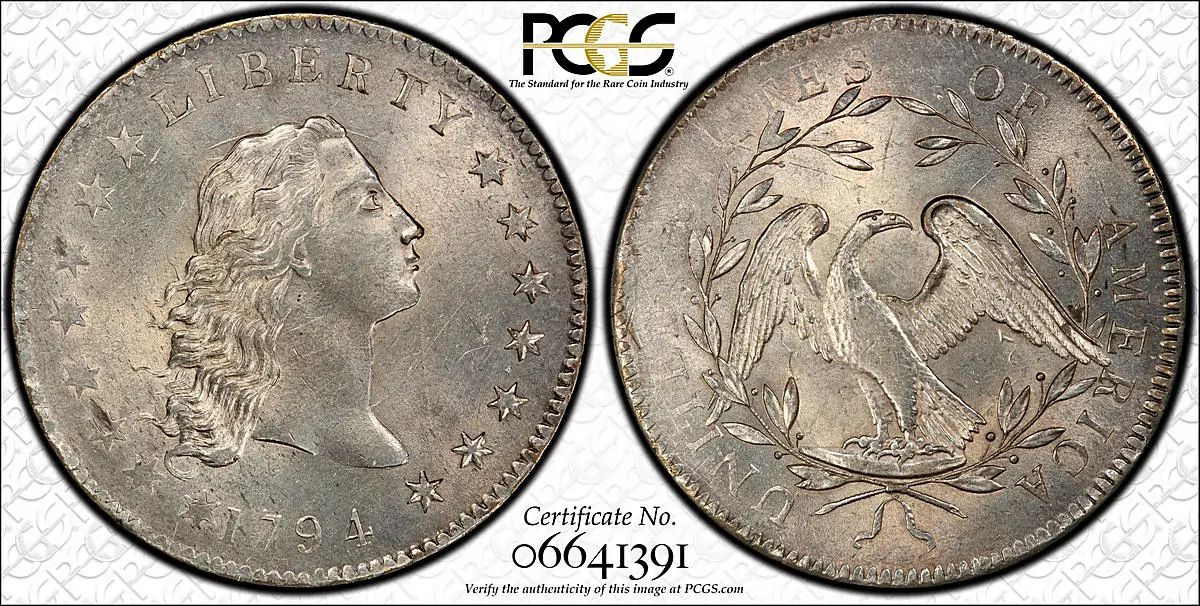
A 4.5 million dollar coin like this 1794 Flowing Hair Silver Dollar requires the highest level of security.
7. No Inventory, No Plan
The biggest mistake you can make isn't physical: it's organizational. If you don't know what you have, where it is, or what you paid for it, you aren't really "collecting": you're just hoarding.
When collections get large and disorganized, coins get lost. I once talked to a guy at a coin show who found a rare gold coin in a box of "junk" he had forgotten about for twenty years. While that sounds like a win, he could have easily accidentally sold that box for pennies on the dollar because he didn't have an inventory.
How to Fix It:
Keep a digital or physical ledger. Note the date of purchase, the price paid, the grade (based on ana grading standards), and a brief description. This is also vital for counterfeit coin detection; if you track where you bought a coin and later find out it’s a fake, you’ll know exactly who to go back to.
Why Proper Storage Matters
At the end of the day, we are just temporary caretakers of these pieces of history. Whether you’re holding a common wheat penny or a million-dollar rarity, that coin has a story. Our job at The Coin Show is to help you preserve that story.
If you’re just starting out and wondering what is a coin show or where to find the best supplies, come hang out with us on the podcast. We dive deep into these topics every week. Proper storage might feel like a chore, but when you look at your collection ten years from now and the luster is still as bright as the day you bought it, you’ll be glad you took the extra steps.
Keep those coins safe, keep your hands clean, and we’ll talk to you on the next episode of The Coin Show!