

The Best Coin Collecting Tips You’ll Ever Get from The Daily Mint
Hey there, fellow collectors. It’s Matt Dinger here from The Coin Show. If you’ve tuned into our coin collecting podcast lately, you know we live and breathe this stuff. We decided to launch "The Daily Mint" as a way to give you those quick, punchy bits of advice that make a big difference over time. Whether you’ve been filling folders for forty years or you just found a weird-looking dime in your change this morning, these tips are designed to help you navigate the hobby without losing your shirt, or your sanity.
Collecting is about more than just hoarding metal. It’s about history, art, and the thrill of the hunt. But if you don't know the rules of the road, it’s easy to make mistakes that can devalue your collection instantly. Let’s dive into the essentials of modern numismatics.
The Absolute Rule: Stop Cleaning Your Coins
If you take nothing else away from this post, let it be this: never, ever clean your coins. We talk about this constantly on our numismatic podcast because it’s the most common way collectors destroy value.
You might find a dirty old silver dollar and think, "I'll just polish this up to make it shiny." Don't do it. Collectors value original surfaces and "patina", the natural oxidation that happens over decades. When you scrub a coin, you leave microscopic hairline scratches that any professional grader will spot in a heartbeat. A cleaned coin can lose 50% to 90% of its market value compared to one with its original skin. If it’s dirty, leave it dirty. The grime is part of its story.
Combatting the Green Slime: Coin PVC Damage
One of the biggest threats to your collection isn't theft or fire; it’s the very holders you put them in. Back in the day, many plastic "flips" and sheets were made with polyvinyl chloride, or PVC. Over time, the chemicals in the plastic break down and release an acidic green goo that eats into the surface of the coin.
This is what we call coin pvc damage. If you see a green, oily residue on your coins, get them out of those holders immediately. Once the damage starts, it can lead to permanent pitting in the metal. When looking at how to store coin collection items safely, always look for "PVC-free" or "archival quality" materials. Mylar flips or hard plastic capsules are your best friends here. Proper coin storage for collectors means using non-reactive materials that won't turn your investment into a science project.
Mastering the Basics: ANA Grading Standards
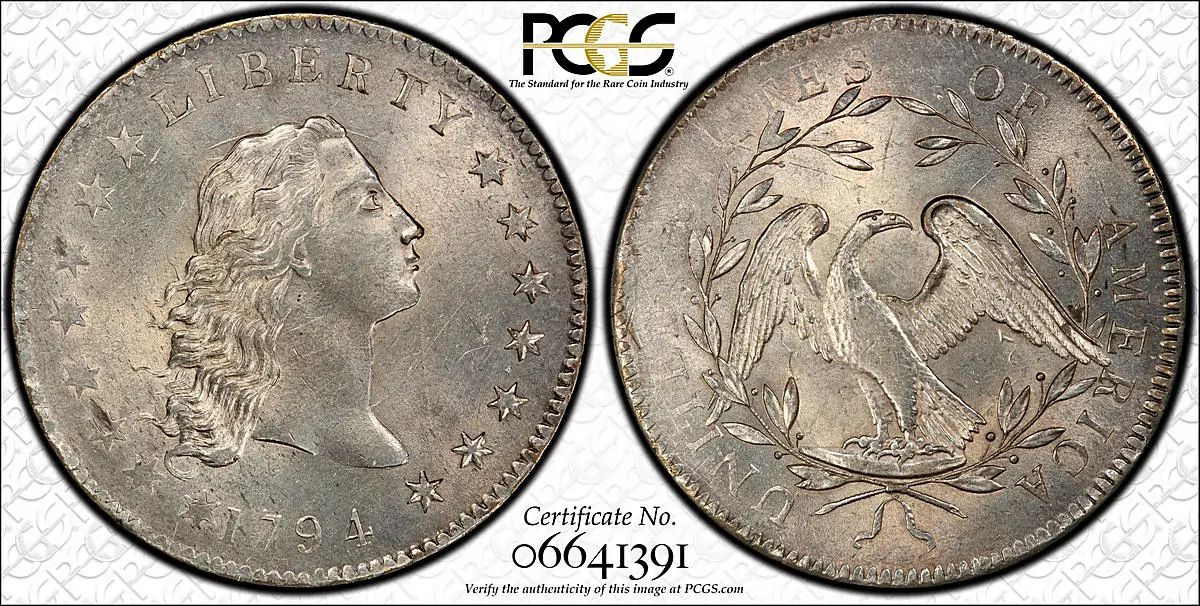
To really succeed in this hobby, you have to speak the language. That means understanding the ANA grading standards. The American Numismatic Association developed a numerical scale from 1 to 70 to describe a coin's condition.
- 1 (Poor): You can barely tell what it is.
- 70 (Perfect): Not a single flaw, even under 5x magnification.
Most of the coins you’ll deal with fall somewhere in the middle, like "Very Fine" or "Extremely Fine." If you’re buying uncirculated coins, you’re looking at the "Mint State" (MS) range from 60 to 70. Understanding these standards is your best defense against overpaying. A single grade point, say, the jump from MS64 to MS65, can sometimes mean a difference of thousands of dollars. Before you drop big money, grab a "Red Book" and study what the different grades actually look like.
The Art of Counterfeit Coin Detection
As the value of rare coins climbs, so does the prevalence of fakes. Counterfeit coin detection is a skill that takes years to master, but you can start with the basics.
First, get a high-quality scale and a pair of calipers. Most fakes are made of off-metal alloys that don't weigh the same as the real deal. If a silver dollar is supposed to weigh 26.73 grams and yours weighs 24 grams, you’ve got a problem.
Second, look at the "denticles", those tiny tooth-like bumps around the edge of the coin. On genuine U.S. Mint products, these are usually sharp and uniform. On cast counterfeits, they often look mushy or "soapy." We always tell our listeners: buy the book before you buy the coin. Knowledge is your shield.
A Numismatic Legend: The 1916 Standing Liberty Quarter
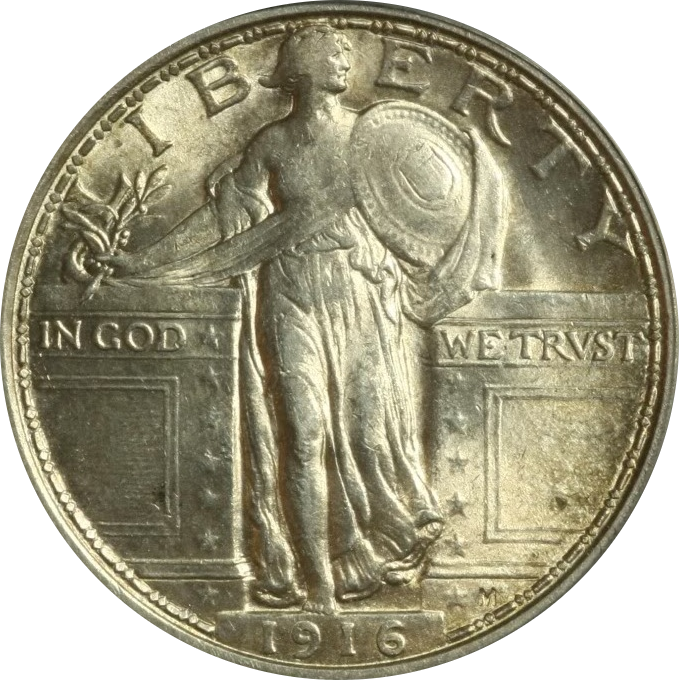
Every collector has a "holy grail," and for many, it’s the standing liberty quarter 1916 issue. This was the first year of the design by Hermon Atkins MacNeil. It’s a masterpiece of American art, featuring Liberty walking through a gate.
The 1916 is incredibly rare, with a mintage of only 52,000. It’s also famous for the "bare breast" design, which was modified in 1917 to cover Liberty in chainmail (though historians argue whether this was due to public outcry or simply a practical change for the war effort). If you ever find one of these in a junk bin, you’ve hit the jackpot. Because they were struck in such low numbers and often entered circulation immediately, finding one with a clear date is a massive win.
What is a Coin Show and Why Should You Go?
If you’ve only ever bought coins on eBay, you’re missing out on half the fun. So, what is a coin show? Imagine a massive ballroom filled with hundreds of dealers, thousands of display cases, and enough gold and silver to make a pirate weep.
A coin show is where the real business happens. It’s a place to:
- See coins in person: Photos on a screen don't do justice to "luster", that way light dances off a mint-state coin.
- Network: Meet other collectors and dealers who share your niche.
- Haggle: Unlike a "Buy It Now" button, coin shows allow for negotiation.
- Learn: Most shows have educational seminars and exhibits.
It’s the ultimate "classroom" for any numismatist. Just remember to bring your loupe and a comfortable pair of shoes.
The New Era: Collecting in 2026
As of today, April 20, 2026, we are in the middle of one of the most exciting times in U.S. Mint history. With the Semiquincentennial (the 250th anniversary of the United States) upon us, we’ve seen some incredible new designs hitting circulation.
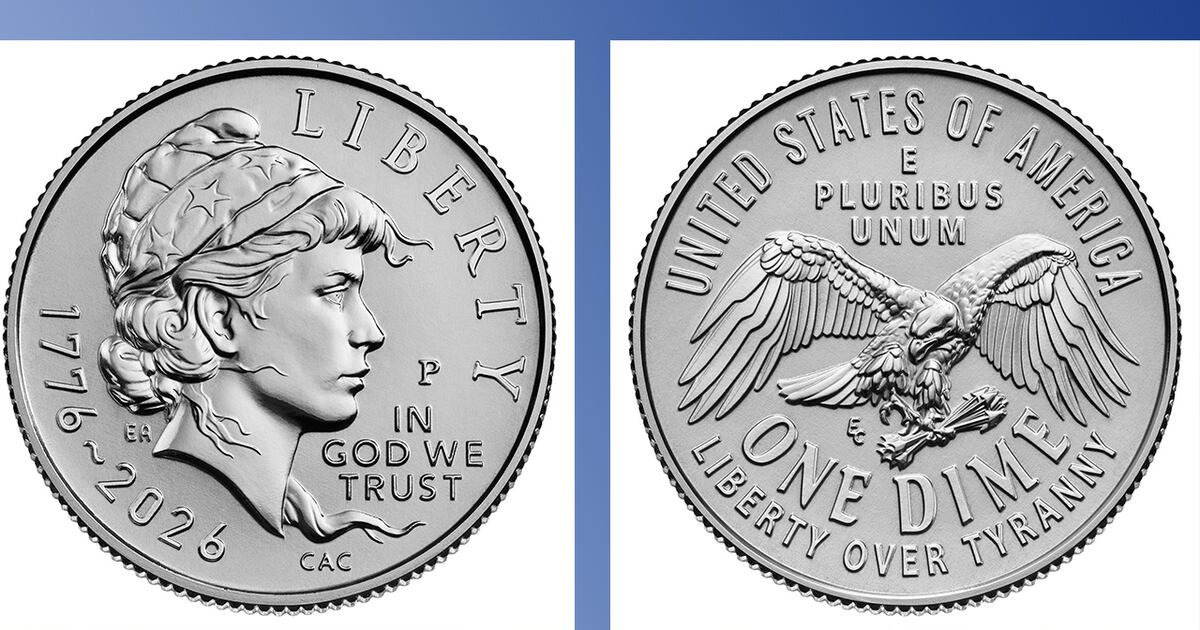
The 1776-2026 Emerging Liberty Dime, which just dropped a few days ago, is already a hit among collectors. It’s the first major redesign of the dime in generations, and seeing the new depictions of Liberty reminds us why we started this hobby in the first place: to hold a piece of our national identity in the palm of our hand.
Why Strategy Beats Spending
Our final coin collecting tips for today focus on strategy. Many new collectors suffer from "shiny object syndrome." They buy a little of everything and end up with a pile of metal that has no cohesive story.
Instead, pick a "set." Maybe you want to collect every Lincoln Cent from 1909 to the present. Maybe you’re interested in 19th-century Type coins. By narrowing your focus, you become an expert in that specific area. You’ll learn the "key dates" (the rare ones) and the common ones. You'll know when a price is a steal and when it’s a rip-off.
And remember, always buy the best quality you can afford. It is almost always better to own one spectacular $500 coin than ten mediocre $50 coins. High-grade, rare items tend to appreciate more reliably over time and are much easier to sell when you’re ready to move on to your next project.
Keeping the Hobby Fun
At the end of the day, The Coin Show is about the community. Whether you're listening to our coin collecting podcast while driving to work or reading "The Daily Mint" with your morning coffee, the goal is the same: enjoy the journey.
Don't get too bogged down in the "investment" side of things. Yes, coins can be worth a lot of money, but the real value is in the hunt, the history, and the people you meet along the way. Keep your coins safe from PVC, keep your eyes peeled for counterfeits, and never stop learning.
Happy hunting, and we'll see you at the next show.