
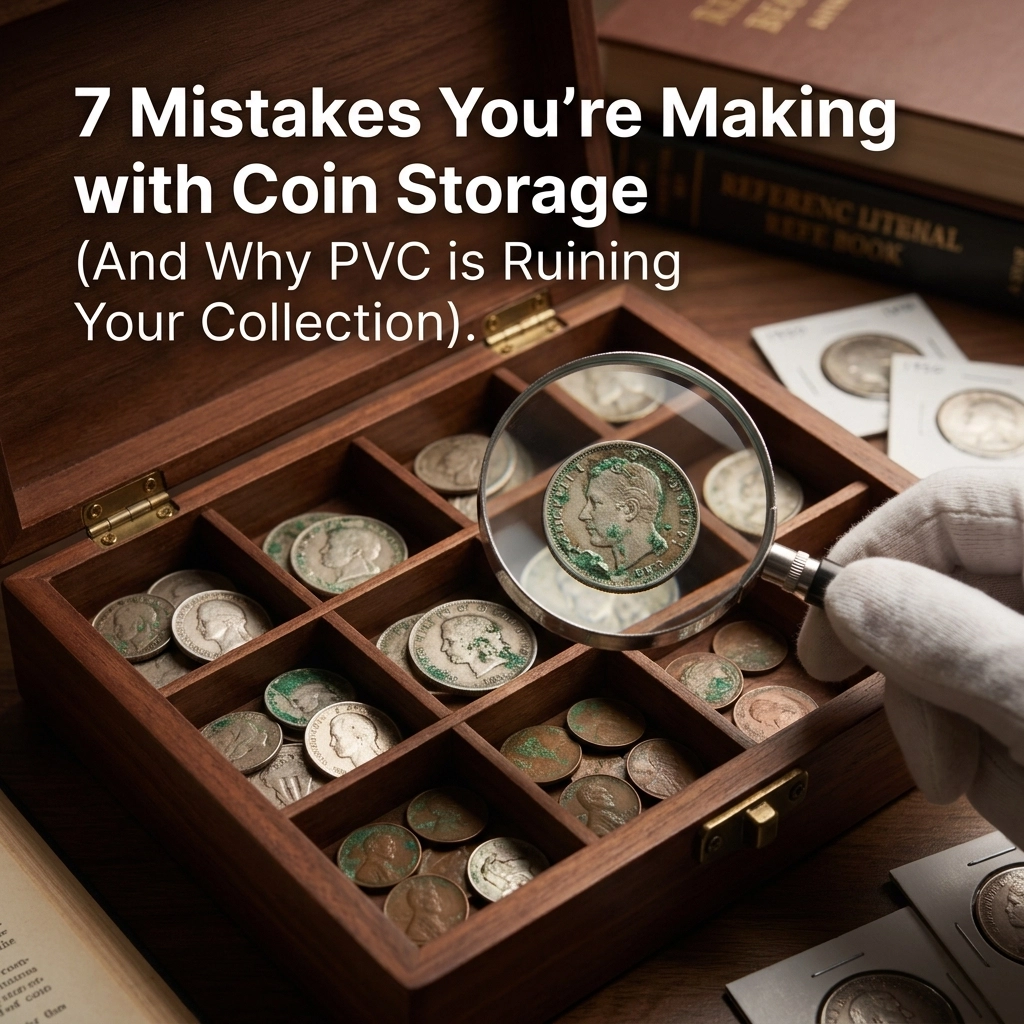
7 Mistakes You’re Making with Coin Storage (And Why PVC is Ruining Your Collection)
Hey there, fellow collectors! Matt Dinger here from The Coin Show. If you’ve been hanging out with us on the podcast, you know we love a good success story: finding that rare variety in a roll of halves or finally landing a bucket-list coin at a show.
But today, we need to talk about the horror stories. I’m talking about the "green slime," the "fingerprint of doom," and the "attic meltdown." As a long-time enthusiast and host of a numismatic podcast, I’ve seen beautiful, high-grade coins ruined by simple storage errors. Whether you’re a seasoned pro or just looking for coin collecting tips to get started, how you store your collection is just as important as what you buy.
Let’s dive into the seven biggest mistakes you might be making and how to fix them before your investments turn into metal scraps.
1. The PVC "Green Slime" Trap
This is the big one. If you take nothing else away from this post, remember this: PVC is the enemy.
PVC (polyvinyl chloride) is a type of plastic often used in cheap coin flips and storage pages. To make the plastic soft and pliable, manufacturers add "plasticizers." Over time, these chemicals leach out of the plastic and onto your coins. This creates a sticky, green, acidic film often called "green slime."
Once coin pvc damage starts, it’s a race against time. The acid in the residue will eventually eat into the surface of the metal, causing permanent pitting and "environmental damage" that can never be reversed. If you see your coins starting to look cloudy or feel sticky inside their holders, get them out immediately. Switch to PVC-free, non-plasticized holders (usually made of Mylar) or hard plastic capsules.
2. Handling Coins Like Pocket Change
We’ve all done it. You get a new coin, you’re excited, and you want to feel the weight of it. But unless you’re holding it by the edges, you’re leaving a permanent mark.
Your skin contains natural oils, salts, and acids. When you touch the face (the "fields") of a coin, those oils transfer to the metal. You might not see it today, but in five years, that fingerprint will oxidize and turn into a dark, ugly stain. For high-grade copper or silver, this can absolutely tank the value.
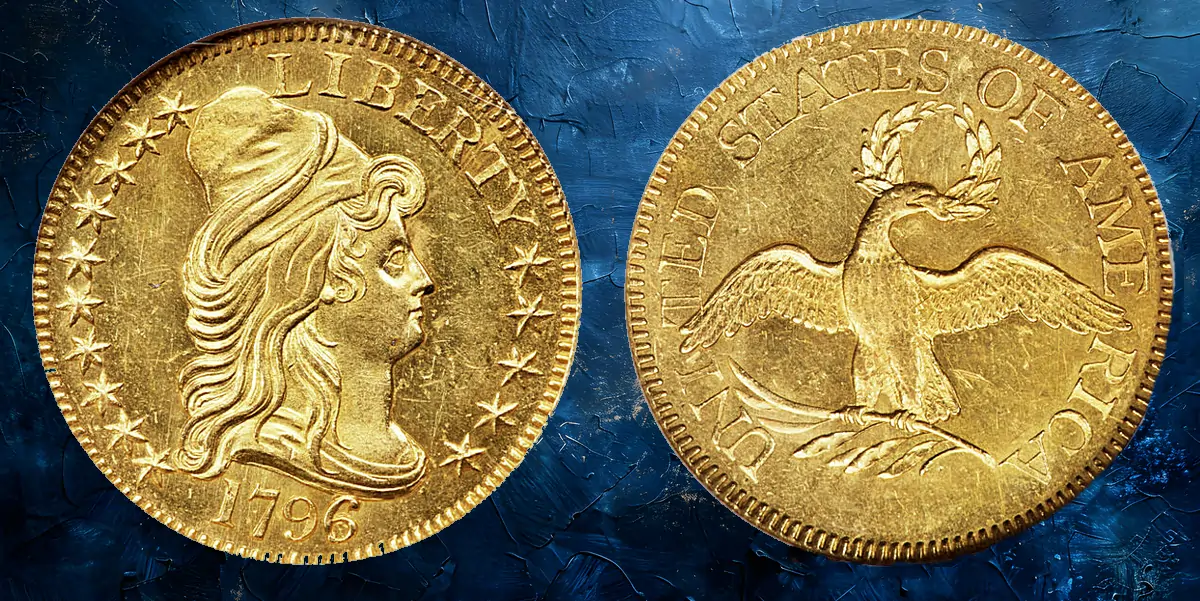
The Fix: Always hold coins by the edges. If you’re handling something truly special, like the finest-known 1796-5 Half Eagle 12 Million Dollar Coin (featured below), use clean, lint-free cotton gloves or specialized numismatic tongs.
3. The Attic and Basement Blunder
When people ask how to store coin collection safely, the first thing I ask is: "Where is it currently sitting?"
If the answer is the attic or the basement, move it. Now.
Coins are sensitive to environmental extremes. Attics get incredibly hot, which can accelerate chemical reactions in storage materials. Basements are notoriously humid. Moisture in the air leads to spotting, haze, and "milk spots" on silver. Stability is the name of the game. You want a "library environment": cool, dry, and consistent. A safe inside a climate-controlled room is your best bet for coin storage for collectors.
4. Thinking "Shinier is Better" (The Cleaning Mistake)
This is the mistake that breaks my heart. A collector finds an old, toned coin and thinks, "I’ll just give this a quick scrub with some baking soda to make it look new."
Stop!
In the world of ANA grading standards, a cleaned coin is an "impaired" coin. Cleaning: even with a soft cloth: leaves microscopic scratches called hairlines. Professional graders at PCGS or NGC will spot this instantly and give the coin a "Details" grade. A cleaned coin is often worth 50% less (or even more) than a coin with original, crusty patina.
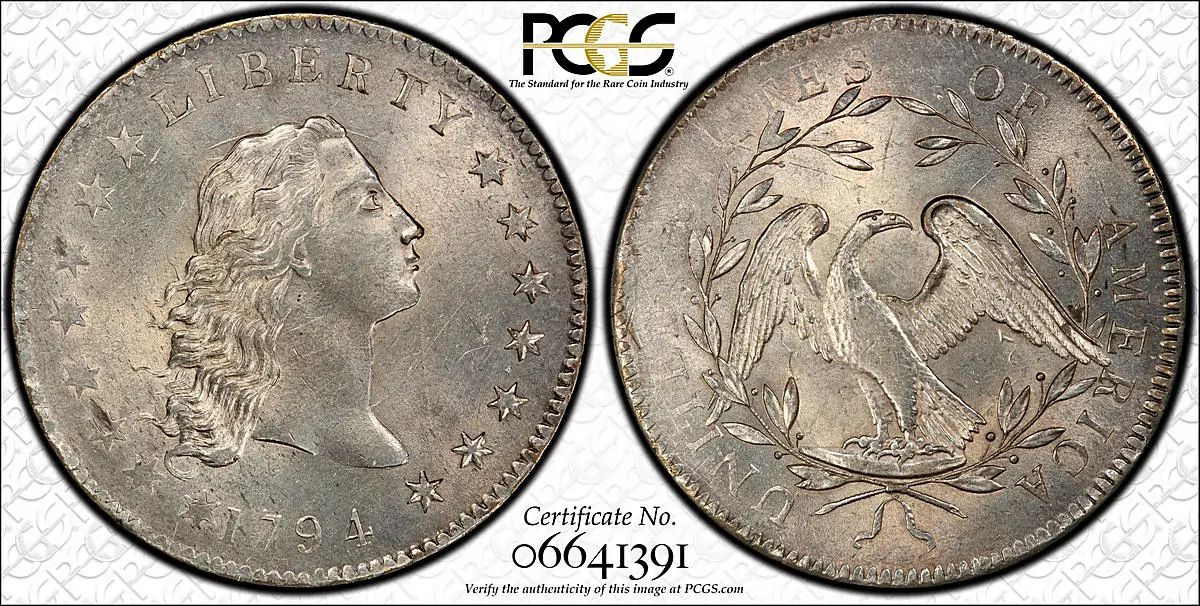
If you want a shiny coin, buy a high-grade Mint State or Proof coin that was born that way, like this stunning 1794 Flowing Hair Silver Dollar.
5. Using Household "Organizers"
I once saw a collection stored in a tackle box with rubber bands holding groups of coins together. It was a disaster.
Rubber contains sulfur. When sulfur meets silver, it causes rapid, ugly black toning. Household items like Ziploc bags (many contain PVC), cardboard boxes (which can be acidic), and rubber bands have no place in your hobby.
Invest in proper numismatic supplies. Archival-quality flips, 2x2s with Mylar windows, and specialized coin tubes are inexpensive compared to the value of the coins they protect. If you’re confused about what to buy, listen to a coin collecting podcast where we review the latest gear.
6. The "Mystery Box" (Lack of Documentation)
Storage isn't just about the physical container; it's about the information. A major mistake collectors make is failing to document their inventory. If your collection is just a pile of loose coins in a safe, you have a problem.
Proper documentation includes:
- What the coin is (Date, Mint Mark).
- What you paid for it.
- The grade (and whether it’s certified).
- Any special varieties or pedigree.
This is vital for insurance purposes and for your heirs. Don't leave your family with a "mystery box" they might accidentally spend at face value. Keep a digital spreadsheet or use a dedicated coin collecting app.
7. Falling for "Too Good To Be True" Deals
Mistakes in storage often start with mistakes in purchasing. If you buy a "rare" coin in a shady holder from an unverified source, you might be storing a fake.
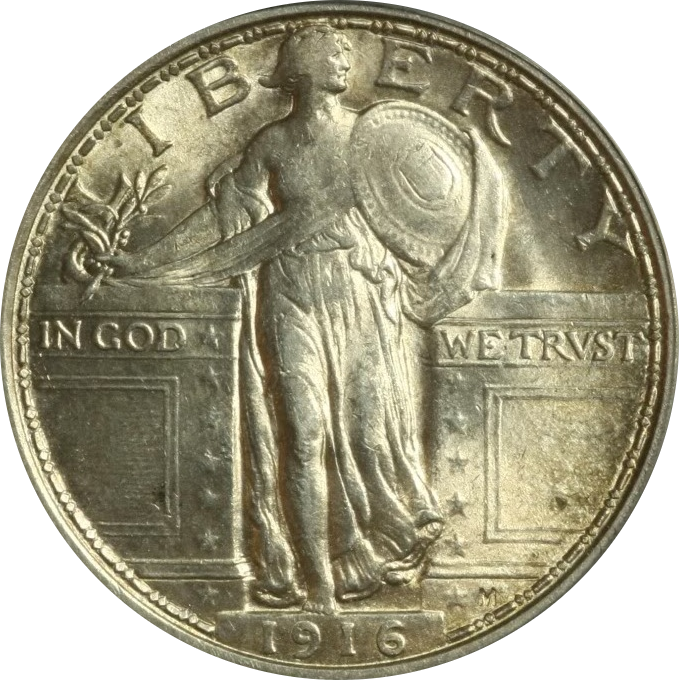
Counterfeit coin detection is a skill every collector needs. Take the standing liberty quarter 1916: it's a legendary key date, but it’s also one of the most frequently faked or altered coins in the market. If you’re storing a 1916 that you bought for $50 at a flea market, you aren’t storing a treasure; you’re storing a lesson.
Why You Should Visit a Coin Show
One of the best ways to avoid these mistakes is through education. People often ask, "what is a coin show?" It’s not just a place to buy and sell. It’s a massive gathering of experts, dealers, and fellow collectors. It’s where you can see proper storage in action, handle supplies before you buy them, and talk to people who have been in the game for decades.
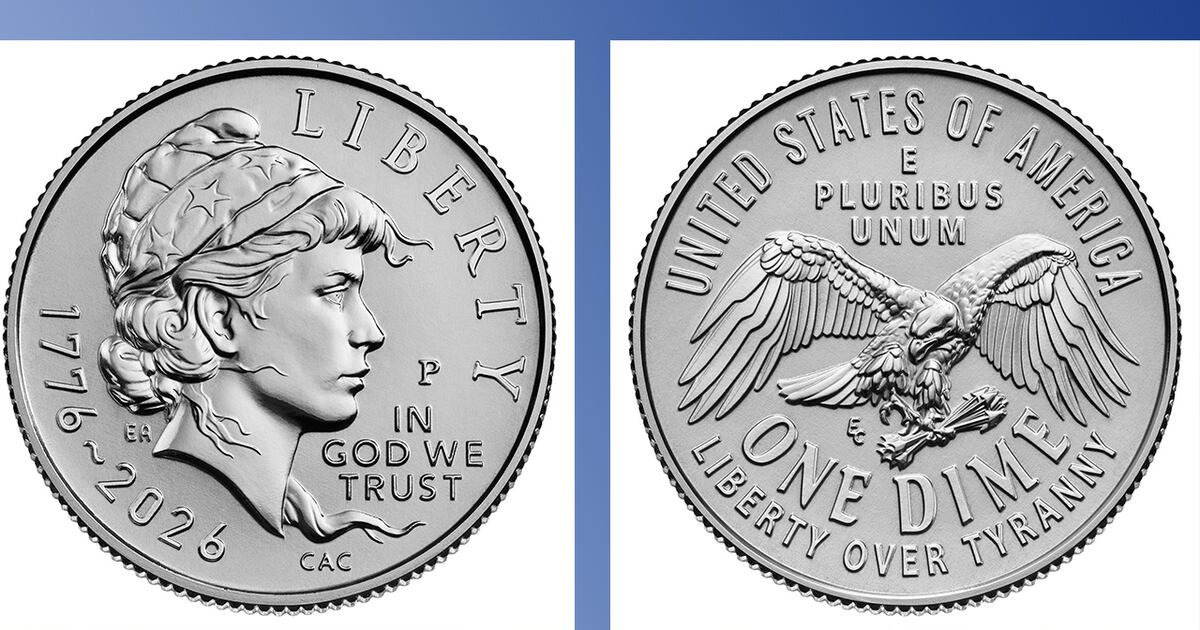
At a show, you can compare a "cleaned" coin next to an original one and see the difference for yourself. You can learn about the 1776-2026 Emerging Liberty Dime and how the hobby is evolving with new releases.
Final Thoughts
Your collection is a piece of history. Whether you have a jar of Mercury dimes or a safe full of Gold Eagles, you are the temporary steward of those items. Avoiding PVC, handling coins by the edges, and keeping them in a stable environment ensures that the next generation of collectors can enjoy them just as much as you do.
If you want to stay updated on more coin collecting tips, hear interviews with top numismatists, and get the latest news on the market, be sure to check us out at https://coinshowradio.com. We’re more than just a coin collecting podcast: we’re a community of people who love the hobby just as much as you.
Stay savvy, keep those coins dry, and we’ll see you at the next show!