
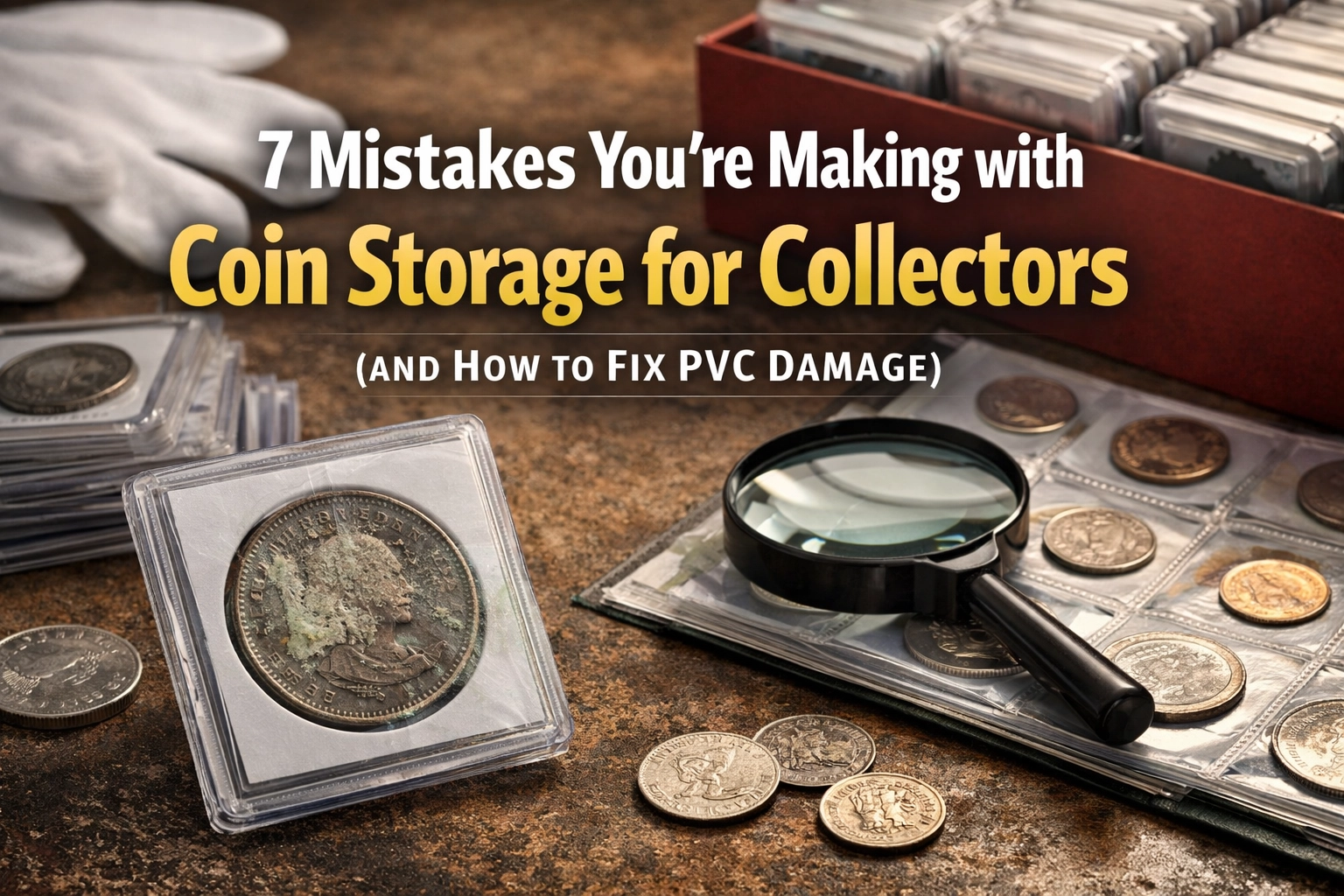
7 Mistakes You’re Making with Coin Storage for Collectors (and How to Fix PVC Damage)
Hey there, fellow collectors. Matt Dinger here from The Coin Show. Welcome to today’s edition of The Daily Mint.
If you’ve been hanging out with us on our coin collecting podcast, you know we talk a lot about the thrill of the hunt. There’s nothing like finding that one elusive piece to finish a set or snagging a high-grade rarity at a local show. But buying the coin is only half the battle. The other half? Keeping it in that exact same condition for the next fifty years.
I’ve seen too many beautiful collections ruined by "the green slime" or ugly black spots because of simple storage errors. Whether you’re a seasoned pro or just wondering what is a coin show and how to get started, proper care is non-negotiable.
Today, we’re breaking down the seven biggest mistakes people make with coin storage for collectors and, more importantly, how to actually rescue a coin that’s been attacked by PVC.
1. The "Golden Touch" (Handling with Bare Hands)
The biggest mistake happens before the coin even hits the holder. Your skin is covered in natural oils, salts, and acids. The second you touch the surface of a Mint State coin, you’ve started a chemical reaction.
Those invisible fingerprints might not show up today, but in five years, they can manifest as permanent, ugly brown stains that eat into the metal.
The Fix: Always handle coins by the edges. Better yet, grab a pair of lint-free white cotton gloves. If you’re looking for pro-level coin collecting tips, the rule is simple: if you don’t have to touch the metal, don’t.
2. The PVC Nightmare
This is the big one. Polyvinyl Chloride (PVC) is a plasticizer used to make coin "flips" (those clear plastic folders) soft and pliable. Over time, PVC breaks down and releases acidic gases. This creates a sticky, green residue on the coin’s surface.
If you leave a coin in a soft, "flippy" vinyl holder for too long, it will eventually be eaten away.
The Fix: Only use archival-quality, non-plasticized Mylar flips. They are stiffer and sometimes have slightly sharp corners, but they won't destroy your investment. If your flip feels like a soft sandwich bag, get the coin out of there immediately.
How to Fix PVC Damage (The Acetone Bath)
If you find a coin that already has that tell-tale green goo, don’t panic, and definitely don't scrub it with a toothbrush. Scrubbing will leave "hairlines" that ruin the grade according to ANA grading standards.
- Get Pure Acetone: Go to a hardware store and buy 100% pure acetone. Do not use nail polish remover; it contains perfumes and oils that will make things worse.
- Use Glass: Pour a small amount into a glass container (acetone melts plastic!).
- The Soak: Submerge the coin. Let it sit for a few minutes. The PVC goo should dissolve.
- The Rinse: Swish the coin gently in a second, clean container of acetone.
- Air Dry: Set it on a soft towel and let it air dry. Acetone evaporates almost instantly.
Note: Always do this in a well-ventilated area. Acetone is highly flammable and the fumes are no joke.
3. The "Ziploc" Strategy
I get it. You have a handful of silver quarters and you want to keep them together, so you toss them in a plastic food bag.
This is a recipe for disaster. These bags aren't designed for long-term metal storage. They often contain the very PVC we just talked about, and they don’t provide any physical protection. When coins rub against each other, they get "bag marks" and scratches.
The Fix: Use individual tubes or 2×2 cardboard holders for bulkier "junk" silver and keep them organized.
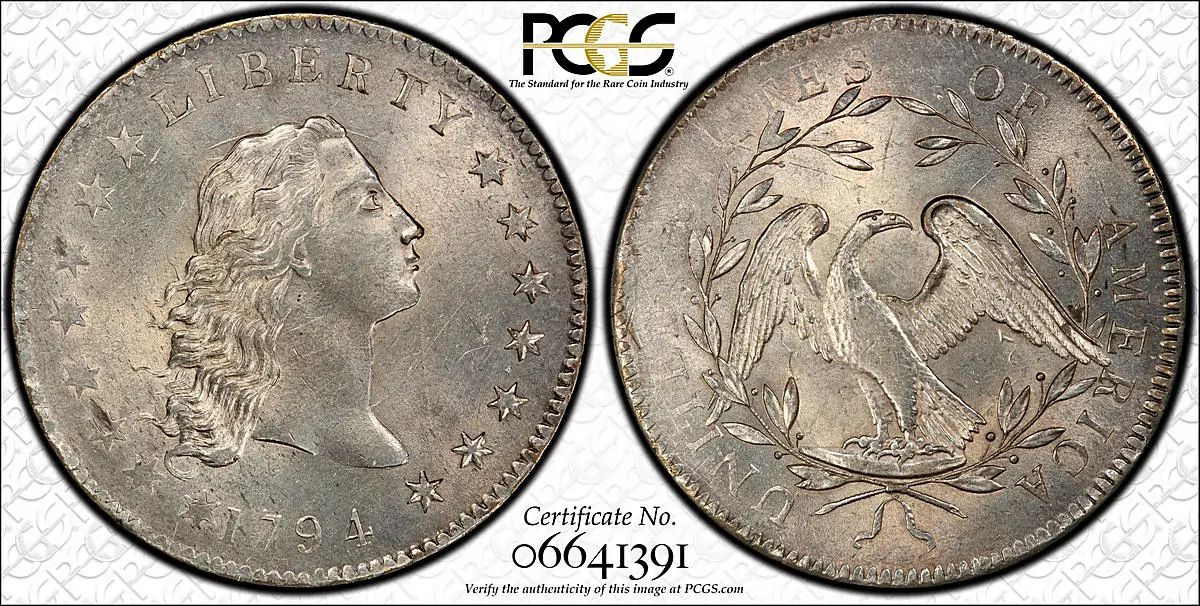
If you’re lucky enough to own something like this 1794 Flowing Hair Silver Dollar, you definitely aren't keeping it in a Ziploc bag. High-value coins deserve high-value protection.
4. Rubber Bands are the Enemy
Never, ever use rubber bands to hold coin tubes or folders together. Rubber contains sulfur. As rubber bands age and degrade, they release sulfur into the air, which causes coins to turn black or develop ugly, mottled toning. Plus, old rubber bands eventually "melt" and stick to whatever they are touching.
The Fix: Use plastic coin tubes or specialized storage boxes designed for numismatic use.
5. Dangerous Paper Envelopes
Not all paper is created equal. Standard office envelopes or craft paper contain chemicals and acids used in the manufacturing process. Much like rubber bands, these can cause rapid, unattractive toning.
The Fix: If you prefer paper storage, you must buy acid-free, archival "sulfite-free" coin envelopes. These are specifically designed for how to store coin collection items without causing chemical reactions.
6. Ignoring the Environment
You might have the best holders in the world, but if you store your collection in a damp basement or a hot attic, you’re asking for trouble.
High humidity accelerates oxidation (rust and tarnish). Extreme heat can cause plastic holders to warp or off-gas chemicals faster.
The Fix: Store your coins in a "cool, dry place." A safe with a silica gel dehumidifier pack is the gold standard. Keep the humidity around 40-50% if possible.
7. Cracking the Slab
On our numismatic podcast, we often discuss the value of third-party grading (TPG) like PCGS or NGC. These "slabs" are sonically sealed and provide excellent protection.
A common mistake is "cracking" a coin out of its slab because you want to touch it or put it in a raw album. Unless you are an expert at counterfeit coin detection and know exactly why you’re doing it, keep the coin in the plastic. Removing it often instantly devalues the coin because you lose the guaranteed grade.
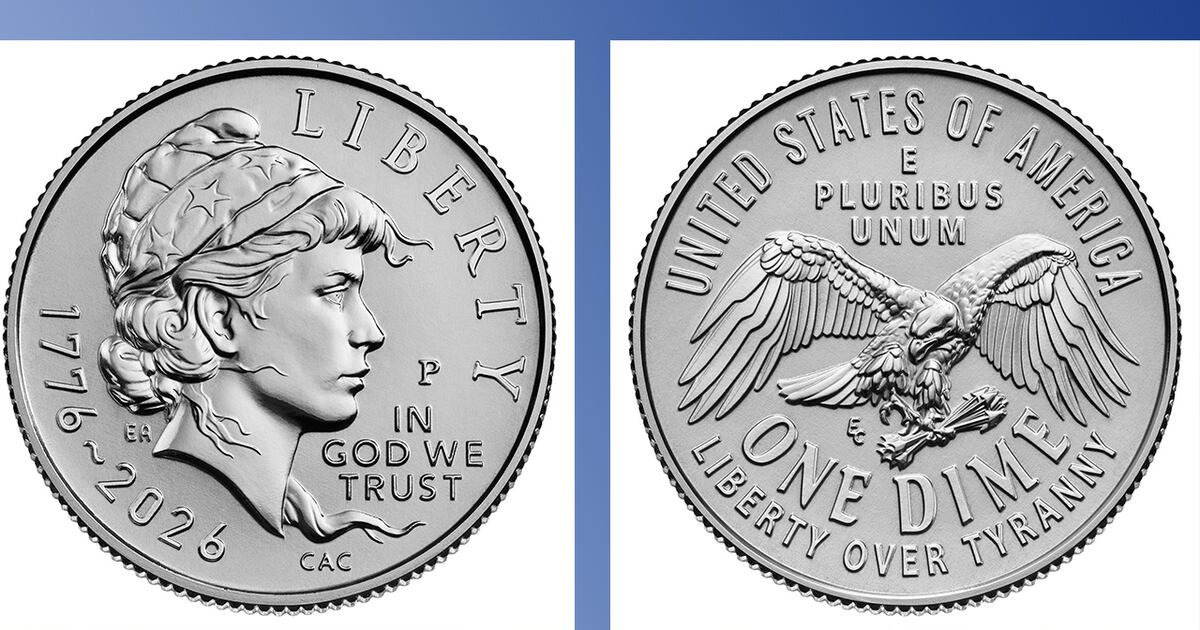
Even modern releases, like the upcoming 1776-2026 Emerging Liberty Dime, benefit from immediate proper storage to preserve that pristine Mint State finish.
Historical Spotlight: The 1916 Standing Liberty Quarter
When we talk about the importance of care, we have to look at the classics. The Standing Liberty Quarter 1916 is a legend in the hobby. Designed by Hermon Atkins MacNeil, it’s famous for its beauty and the "scandal" of its original design (which featured a bare breast, later covered by chainmail in 1917).
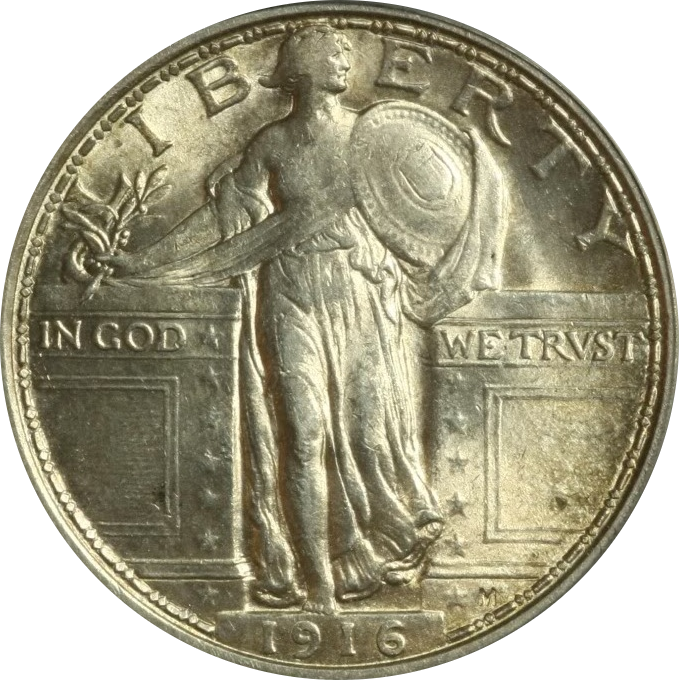
Because the 1916 has such a low mintage (only 52,000!), even a low-grade example is worth thousands. If you ever find one, its storage becomes the most important thing in your house. Because the date was struck on a high point of the coin, it wore away quickly in circulation. Finding one with a clear date and no PVC damage is a true numismatic miracle.
Wrapping It Up
Coin collecting is a marathon, not a sprint. The way you treat your coins today determines what they’ll be worth (and how they’ll look) when it’s time to pass them on to the next generation.
Remember:
- No PVC.
- No bare hands.
- No rubber bands.
- Yes to acetone (when done right).
If you want to stay updated on more coin collecting tips, or if you’re curious about upcoming shows and market trends, make sure to subscribe to our coin collecting podcast, The Coin Show. We’re here to help you navigate the hobby without making the expensive mistakes we’ve seen over the years.
Keep your eyes on the literal "change" in your pocket, and keep those collections dry!
( Matt Dinger)