

How to Choose the Best Coin Storage for Collectors (Compared)
Hey there, and welcome back to The Daily Mint. I’m Matt Dinger from The Coin Show, and today we’re talking about something that isn't exactly flashy, but it’s arguably the most important part of being a collector: storage.
Think about it. You spend months hunting down a specific date. You save your hard-earned money. You finally pull the trigger on a beautiful 1916 Standing Liberty Quarter. Then, you toss it in a desk drawer or a cheap plastic bag. Six months later, you pull it out and it’s covered in a weird, green, sticky film.
That’s a nightmare we want to avoid. Whether you’re listening to our coin collecting podcast or just getting started with a handful of state quarters, knowing how to store coin collection properly is the difference between an investment and a tragedy.
The Absolute Golden Rule: No PVC
Before we look at the folders and the fancy boxes, we have to talk about the "Green Slime." In the world of coin care (no PVC!) is our mantra.
PVC, or polyvinyl chloride, is a chemical used to make plastics soft and pliable. You’ll find it in cheap "flips" (those little plastic pouches) and old-school photo albums. Over time, that chemical breaks down and releases an acidic gas that reacts with the metal of your coins: especially copper and silver. It leaves a green residue that can permanently eat into the surface of the coin.
When you’re looking for coin storage for collectors, always verify that the products are PVC-free and archival-safe. If the plastic smells like a brand-new shower curtain, get your coins away from it immediately.
1. Coin Folders: The Beginner’s Choice
If you are just starting out or working on a set of circulated coins, folders are the classic way to go. Most of us started here. You know the ones: blue or green cardboard with little circular punch-outs for each year and mint mark.
The Pros:
- Very affordable.
- Compact and easy to store on a bookshelf.
- Great for kids or casual "pocket change" collectors.
The Cons:
- Only one side of the coin is visible.
- There is no protective layer over the coin.
- The friction from pushing the coin into the hole can cause "thumb wear."
I wouldn't put a high-value coin in a folder. But for a set of Lincoln Cents you found in a jar? Folders are perfect.
2. Cardboard 2×2 Flips: The Workhorse
The cardboard 2×2 is the most common storage method in the numismatic world. These are square cardboard holders with a clear Mylar window in the center. You place the coin inside and staple it shut.
The Pros:
- Inexpensive and easy to label.
- You can see both sides of the coin.
- They fit perfectly into standard storage boxes and binder pages.
The Cons:
- Staples can be dangerous. If you aren't careful, a staple can scratch a coin when you’re moving things around. (Tip: Use a flat-clinch stapler to keep the staples flush).
- They aren't airtight.
If you’re visiting a coin show soon, you’ll see thousands of these. They are the industry standard for mid-range coins.
3. Acrylic Capsules: The Vault
If you have a coin that is worth more than a few bucks, you should consider a hard plastic acrylic capsule. These are two-piece holders that snap together, creating a nearly airtight seal around the coin.
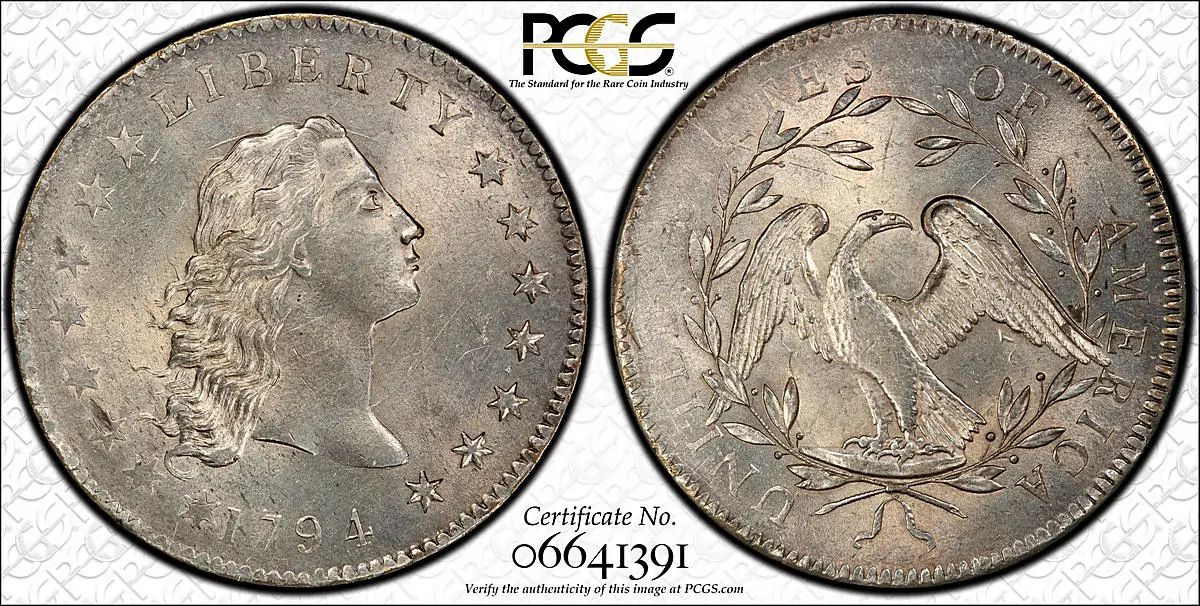
Look at this 1794 Flowing Hair Silver Dollar. A coin this rare, literally the first dollar struck by the U.S. Mint: requires maximum protection. While most of us won’t own a $4.5 million coin, the principle remains the same. If the coin is high-value or has a pristine finish, the hard shell of an acrylic capsule prevents scratches and limits air exposure.
The Pros:
- Excellent physical protection.
- Airtight (or close to it) to prevent toning.
- Crystal clear visibility.
The Cons:
- More expensive than cardboard.
- Bulky if you have hundreds of them.
4. Professional Grading (Slabs)
Sometimes, the best storage isn't something you buy at the store: it’s a service. When you send a coin to a company like PCGS or NGC, they authenticate it, grade it according to ANA grading standards, and seal it in a sonically welded plastic holder called a "slab."
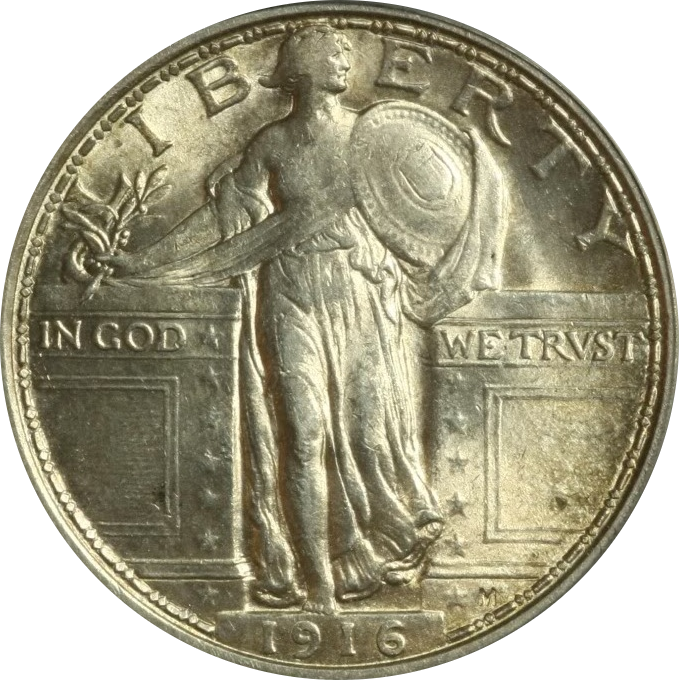
This Standing Liberty Quarter 1916 is a perfect candidate for a slab. Because it’s a rare date and highly prone to counterfeiting, having it in a professional holder provides two things: protection and peace of mind.
The Pros:
- Ultimate protection from the elements.
- Guarantees authenticity (essential for counterfeit coin detection).
- Makes the coin much easier to sell later.
The Cons:
- Expensive ($20-$50+ per coin).
- Can take months to get your coins back from the grading service.
The Environment: Where You Put Your Storage Matters
You can buy the most expensive holders in the world, but if you store them in a damp basement, your coins will still suffer. Environment is a huge part of coin collecting tips.
- Humidity is the Enemy: Moisture causes spotting and ugly oxidation. Keep your collection in a "cool, dry place."
- Temperature Spikes: Avoid attics. The heat can cause some plastic holders to off-gas or warp.
- Silica Gel: If you store your coins in a safe or a plastic bin, toss in a few silica gel packets. They’re cheap and they suck the moisture out of the air before it hits your coins.
What's Coming Next?
Speaking of storage, you’ll want to be prepared for some new additions soon.
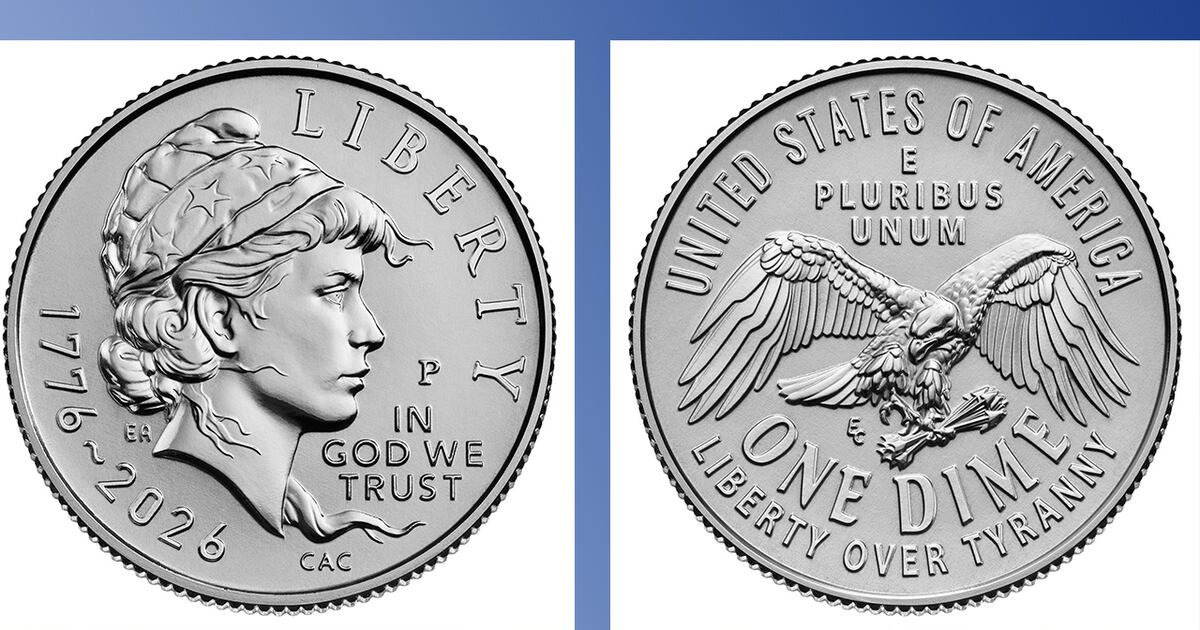
The U.S. Mint is set to release the 1776-2026 Emerging Liberty Dime on April 17th: just a few days from now! This is the first major redesign of the dime in 80 years. If you’re planning on picking up a few of these at the bank or from the Mint, make sure you have your PVC-free flips or capsules ready. Freshly minted coins are particularly sensitive to fingerprints and moisture.
Quick Comparison Summary
| Method | Best For | Protection Level | Cost |
|---|---|---|---|
| Folders | Casual change / Kids | Low | $ |
| 2×2 Flips | General collection | Medium | $$ |
| Capsules | High-value raw coins | High | $$$ |
| Slabs | Investment coins | Maximum | $$$$ |
Finding the Right Gear
If you’re wondering where to buy these supplies, I always suggest checking out your local coin shop or a regional coin show. What is a coin show? It’s basically a convention center filled with hundreds of dealers. It’s the best place to compare different brands of albums and boxes in person. Plus, you can usually pick up supplies in bulk without paying for shipping.
If you’re more of a listener than a reader, we dive deep into these topics every week on our numismatic podcast. We’ve spent hours debating the merits of different album brands and the best ways to organize a growing collection.
Final Thoughts
Choosing the right storage isn't just about keeping things organized; it's about being a good steward of history. Whether it’s a rare 1916 quarter or a brand-new 2026 dime, these pieces of metal are part of our heritage.
Take the time to audit your collection this week. Check for that "shower curtain" smell. Look for green spots. And if you haven't already, invest in a box of PVC-free flips. Your future self (and your wallet) will thank you.
Happy collecting!
( Matt Dinger)