
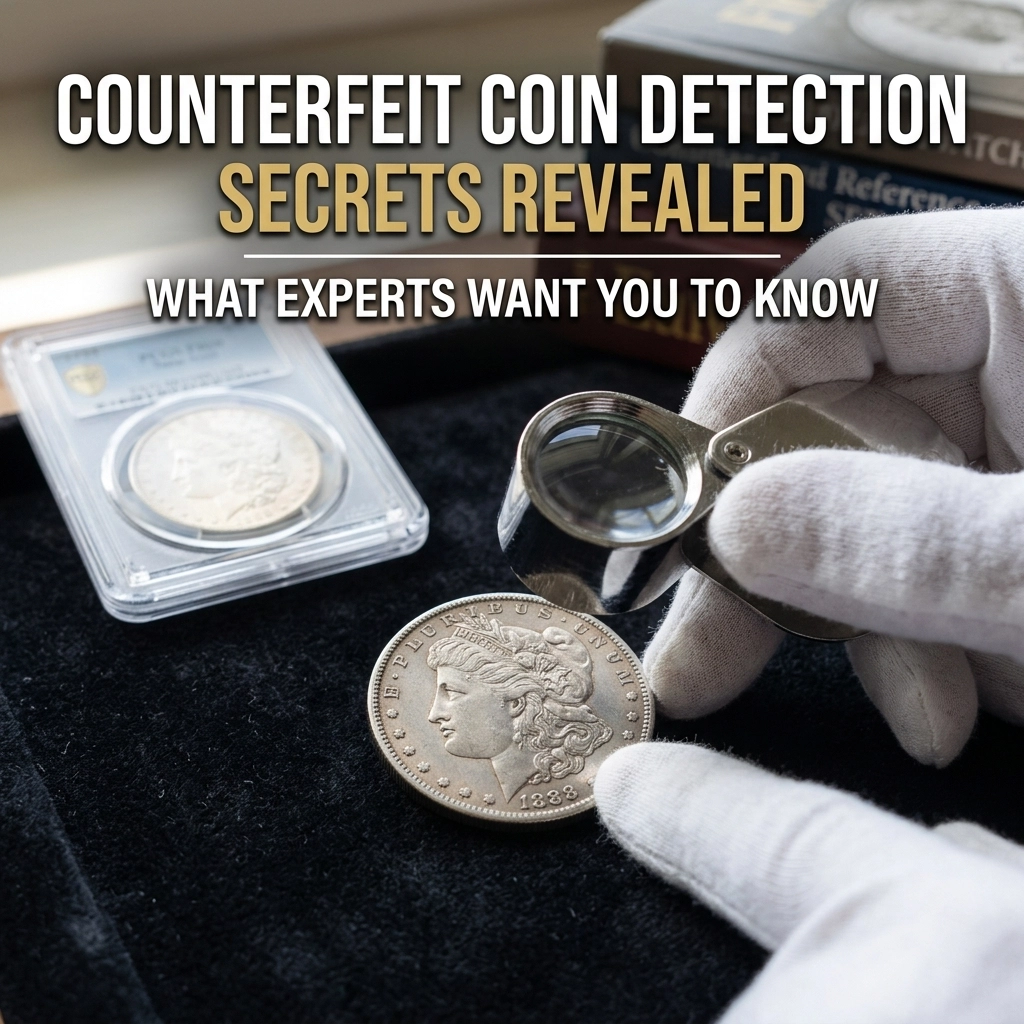
Counterfeit Coin Detection Secrets Revealed: What Experts Want You to Know
Hey there, fellow collectors! Welcome back to The Daily Mint, your go-to spot for everything numismatic. It’s Sunday, May 10th, and if you’re like me, you’ve probably spent the morning sipping coffee and squinting at a few new additions to your collection. I’m Penny, and today we’re diving into a topic that keeps every collector: from the beginner to the seasoned pro: up at night: counterfeit coins.
In the world of coin collecting, knowledge isn't just power; it’s your best defense against losing money. Whether you’re listening to our numismatic podcast or browsing tables at a local show, you’ve likely heard horror stories of people buying high-end "rarities" that turned out to be nothing more than clever pieces of lead and tin.
So, how do the experts do it? How do they spot a fake before even taking it out of the flip? Today, I’m sharing the secrets the pros use to protect themselves.
The First Line of Defense: Your Eyes and a Loupe
Before we get into the high-tech stuff like XRF spectroscopy, let's talk about the basics. Most coin collecting tips start with a quality 10x magnifying loupe. Why 10x? Because it’s the ANA grading standards benchmark. It provides enough magnification to see the details without distorting the field of the coin.
When you’re looking at a coin, you aren't just looking for the date. You’re looking for "mushy" details. Genuine coins are struck under immense pressure, resulting in sharp, crisp lines. Counterfeits: especially those made by casting: often have soft, rounded edges on the lettering and the portrait.
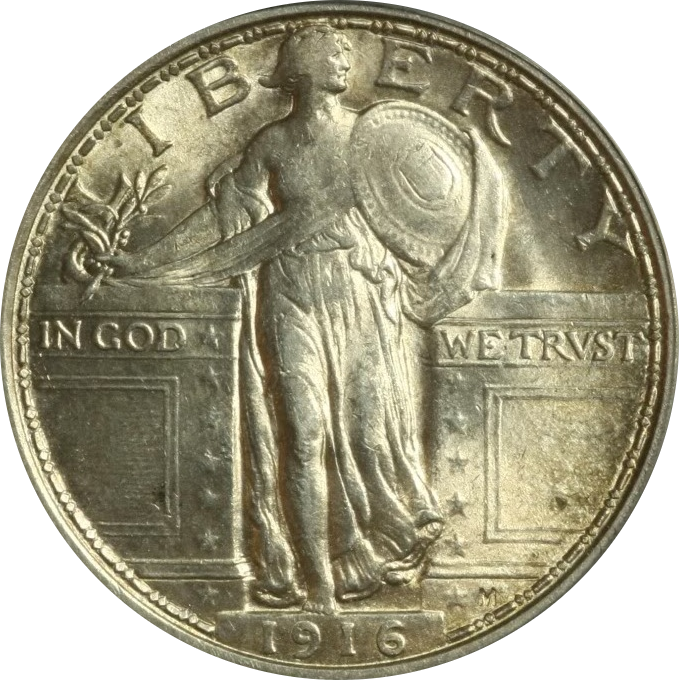
Take the standing liberty quarter 1916, for example. It’s a legendary rarity. On a genuine 1916, the details in Liberty’s chainmail and the date should be distinct, even if worn. Fakes often look "soapy," as if the details are melting into the background.
What is a Coin Show and Why Does it Matter?
If you’ve never been, you might wonder, what is a coin show? It’s essentially a marketplace where dealers and collectors gather to trade. It’s also one of the best places to learn counterfeit coin detection. Experts at these shows handle thousands of coins a week. Their "muscle memory" for what a real Morgan Dollar or Gold Double Eagle should feel like is uncanny.
The secret they’ll tell you? Compare, compare, compare. If you’re looking at a suspicious coin, put it next to a known authentic one. The differences in "luster": the way light dances off the surface: are often the first red flag.
The Physical Tests: Weight, Magnet, and Sound
Sometimes your eyes can be deceived, especially by high-quality "super fakes." That’s when we turn to physics.
1. The Scale
Every collector needs a digital scale that measures to at least two decimal places in grams. Mints have very strict tolerances. If a silver American Eagle is supposed to weigh 31.103 grams and your coin weighs 29 grams, you don't have a "thin planchet" error; you have a fake.
2. The Magnet Test
This is the easiest test in the book. Precious metals like gold and silver are non-magnetic. If you hold a strong neodymium magnet up to a "silver" coin and it sticks, you can put that coin right in the bin. However, be careful: modern counterfeiters use non-magnetic base metals like copper-nickel alloys, so a coin not sticking doesn't automatically mean it's real.
3. The Ping Test
Silver and gold have a specific "ring" when tapped gently. If you balance a coin on your finger and tap it with another coin, a genuine silver piece will sing with a high-pitched, long-lasting resonance. A base-metal fake will usually give a dull "thud." (Note: Don't do this with high-grade or proof coins: you don't want to leave marks!)
The Secret of the Edge
Experts will tell you that the edge is the hardest part of a coin to forge. Most people focus on the face of the coin, but the edge tells the real story. On a reeded-edge coin (like a dime or quarter), the ridges should be uniform and sharp. If the reeding looks "smeared" or uneven, it’s a sign of a cast counterfeit.
If you’re looking at older coins, look for a "seam." Cast fakes are made in two-part molds, and there is almost always a faint line running around the circumference where the two halves met.
Historical Masterpieces: The 1794 Dollar
To understand why people go to such lengths to forge coins, look at the heavy hitters. The 1794 Flowing Hair Silver Dollar is one of the most expensive coins in history. One recently sold for $4.5 million! When you’re dealing with that kind of history, the scrutiny is intense.
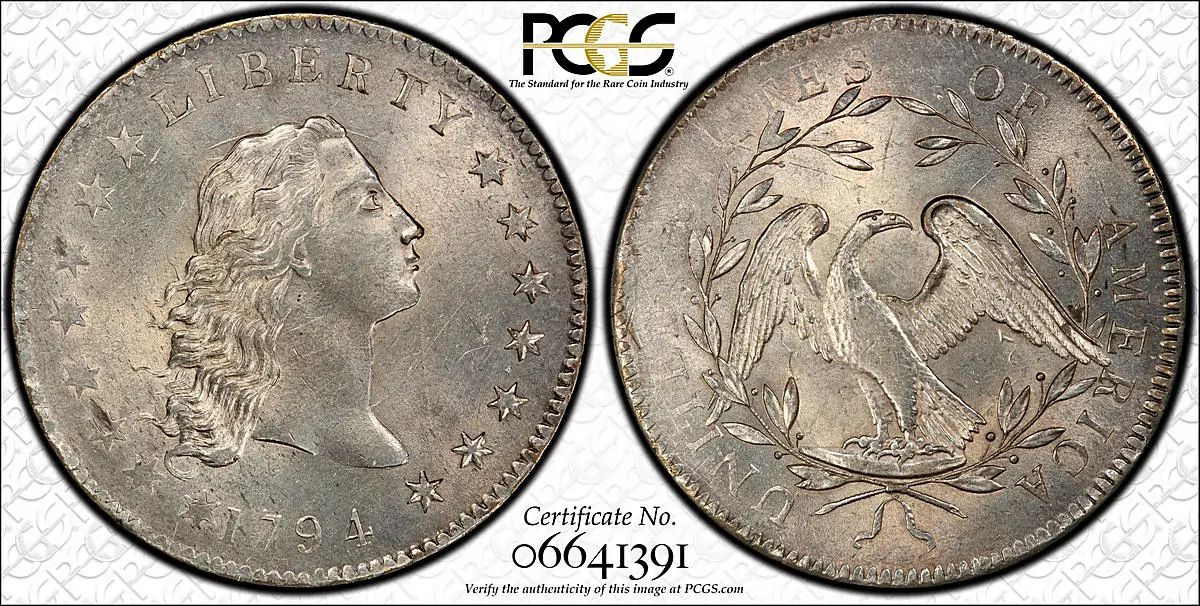
For a coin like this, experts look at "die states." Every time a die strikes a coin, it wears down slightly. By studying known genuine examples, experts can tell if a coin was struck by the correct pair of dies in the correct sequence.
Beyond Detection: Proper Coin Care
Part of being a responsible collector is knowing how to store coin collection items once you’ve verified they’re real. There is no point in dodging a counterfeit just to let your genuine coins rot in your safe.
The Great Evil: PVC
If you take away one thing from this blog, let it be this: No PVC! Many old-school plastic flips contain Polyvinyl Chloride (PVC) to make them soft. Over time, this chemical breaks down and releases a green, acidic slime onto your coins. This is known as coin pvc damage, and it can eat into the surface of your silver and copper, permanently ruining the grade.
Coin storage for collectors should always involve PVC-free materials. Look for "non-plasticized" flips or, better yet, use archival-quality hard plastic holders (like those from PCGS or NGC).
The Future of the Hobby
The U.S. Mint is constantly innovating to stay ahead of counterfeiters. The upcoming 1776-2026 Emerging Liberty Dime is a perfect example of modern minting tech. These coins feature precise strikes and designs that are incredibly difficult to replicate with hobbyist machinery.
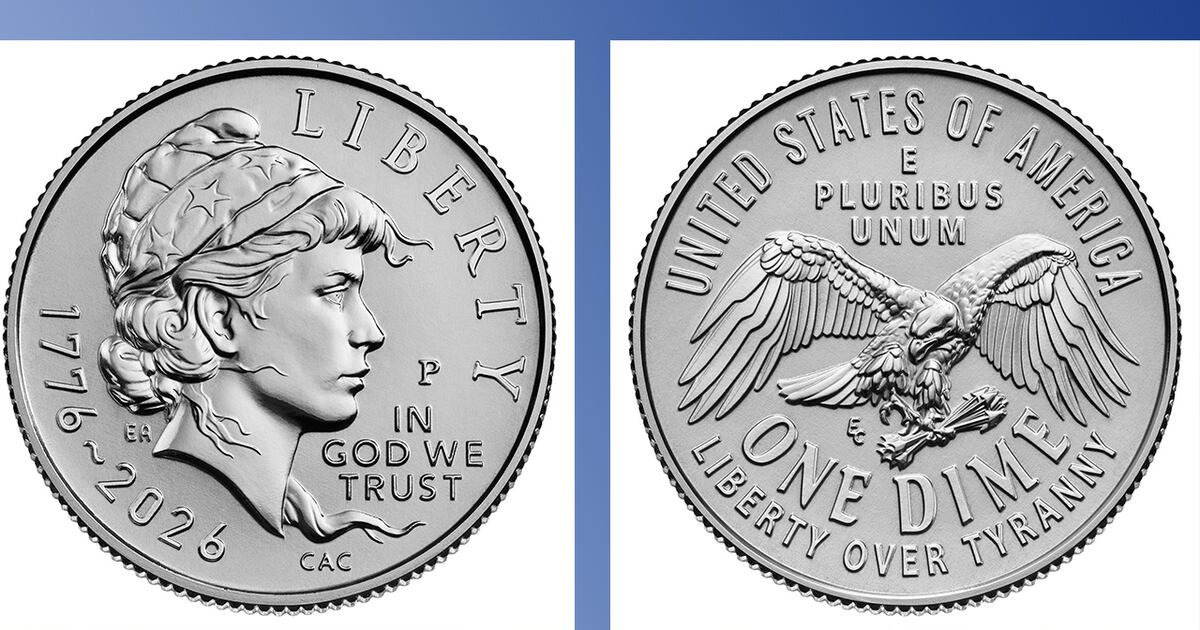
As we move toward the Semiquincentennial (try saying that three times fast), we’re going to see some of the most beautiful and secure designs in decades.
Advanced "Pro" Secrets: Transfer Dies and Tooling
If you want to move into the expert tier, you need to know about "transfer dies." This is where a counterfeiter takes a real coin and uses it to create a mold for a new die. This copies the design perfectly, but it also copies every tiny scratch and bag mark on the original coin.
The secret? If you see two coins of the same date with the exact same tiny nick on Liberty’s cheek, they are both fakes. Nature doesn’t repeat itself like that in the world of circulating currency.
Also, look for "tooling marks." These are tiny, raised lines where a forger tried to scrape away a defect on the die. On a genuine coin, the fields should be smooth or have natural "flow lines" radiating from the center.
Wrapping Up
Collecting should be fun, not stressful. By learning these coin collecting tips, you can walk into any shop or show with confidence.
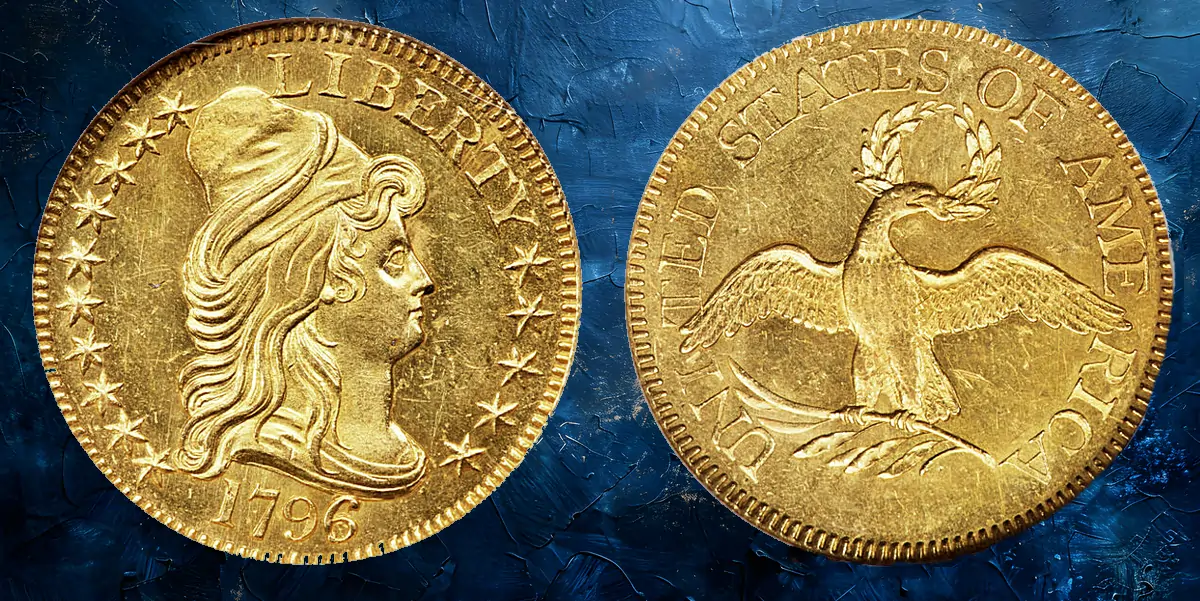
If you want to hear more about high-stakes auctions: like the 1796-5 Half Eagle that sold for $12 million: make sure to subscribe to our coin collecting podcast. We break down the market trends and interview the guys who handle these treasures every day.
Stay curious, keep your coins out of those nasty PVC flips, and always carry your loupe. Happy hunting!
( Penny
The Coin Show Team)